El So de l’Interval
(The Sound of the Interval)
CATALÀ (English below)
El so de l’interval explora l’espai, l’escletxa, que s’obre entre les coses: entre l’interior i l’exterior, entre allò que es mostra i allò que roman ocult, entre l’objecte i el seu significat. En aquest projecte, Enric Maurí desplaça objectes i formes del seu context habitual i els situa en un territori de transició, on deixen de ser allò que eren per esdevenir una altra cosa. L’interval no és aquí un buit, sinó un lloc de relació i de possibilitat.
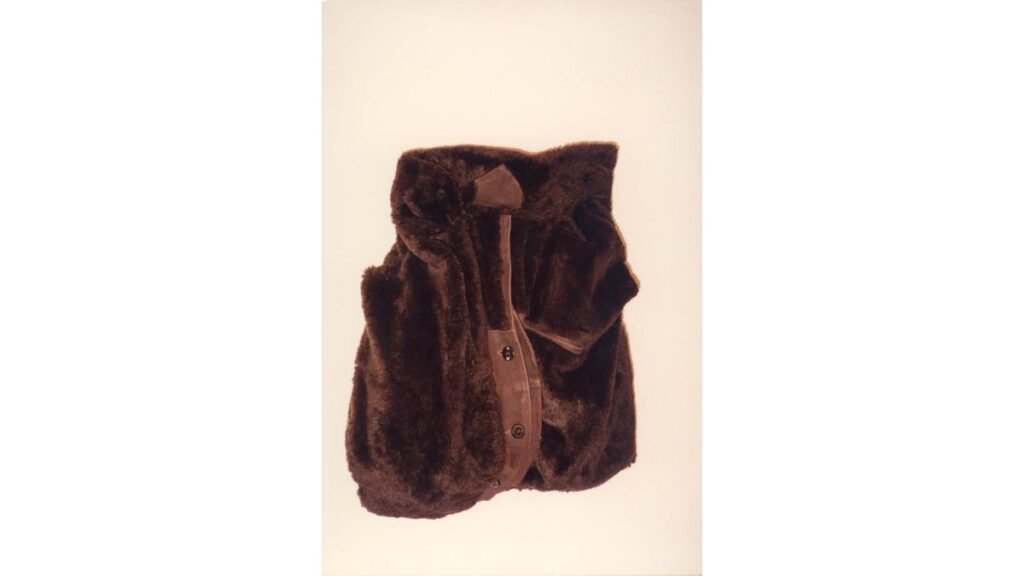
A Interior, un abric de pell apareix plegat sobre si mateix, amb la part interior exposada a l’exterior. El coll i les mànigues, també capgirats, alteren la seva forma i la seva funció. El gest és senzill però introdueix una fractura en la percepció habitual de l’objecte: allò que havia de quedar a dins passa a ocupar el lloc de fora.
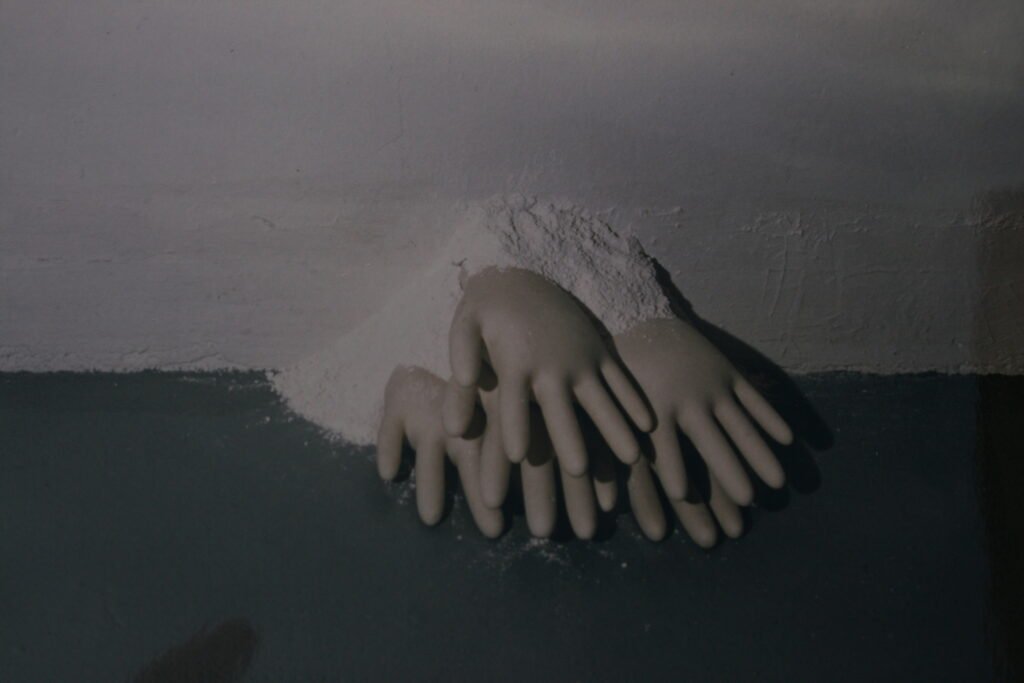
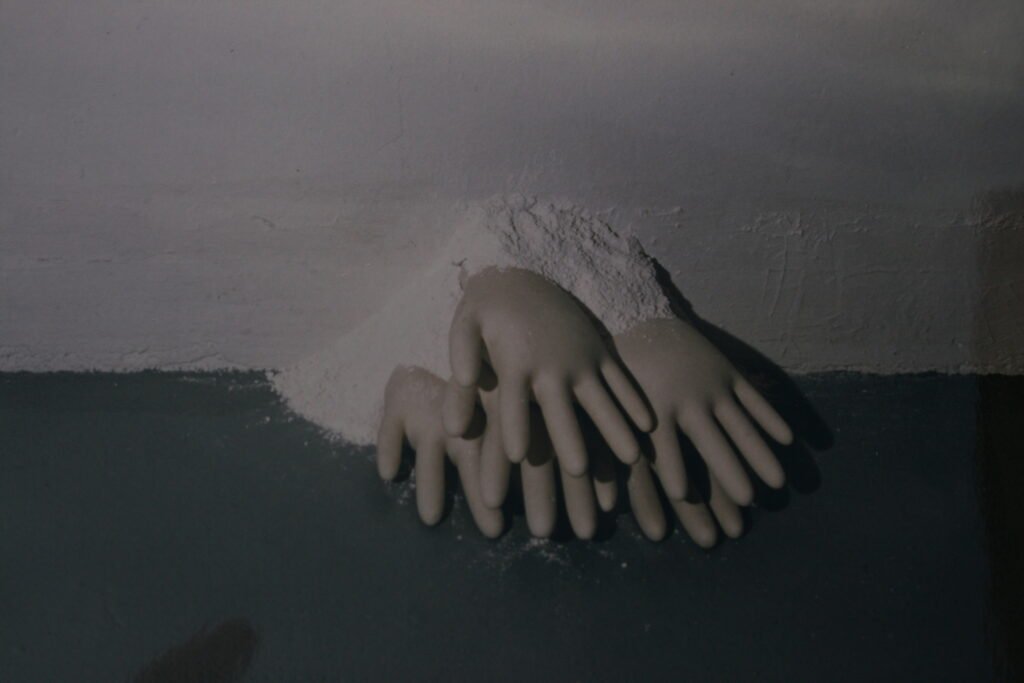
A Mans de paret, unes mans de guix emergeixen directament de l’arquitectura. El cos sembla prolongar-se en la paret alhora que la paret esdevé una extensió del cos. A Sol i ombra, en canvi, el paraigua ha perdut la seva funció i conserva únicament la tela negra i l’estructura metàl·lica que la sosté. Desposseït del seu ús, el paraigua adquireix una altra presència i suggereix una imatge entre el sol i la seva ombra.
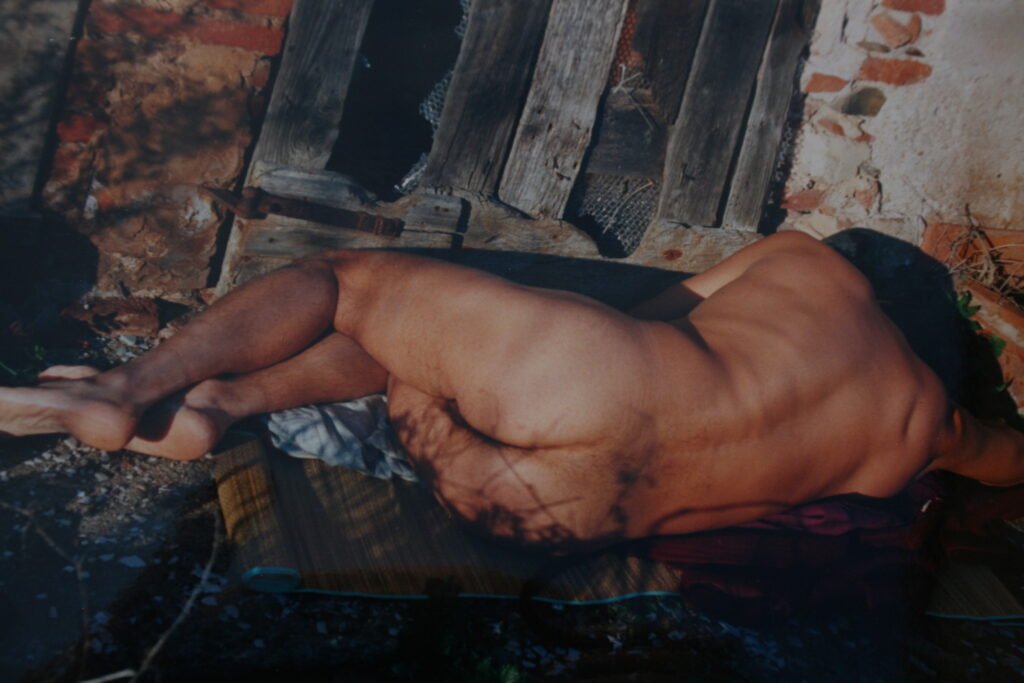
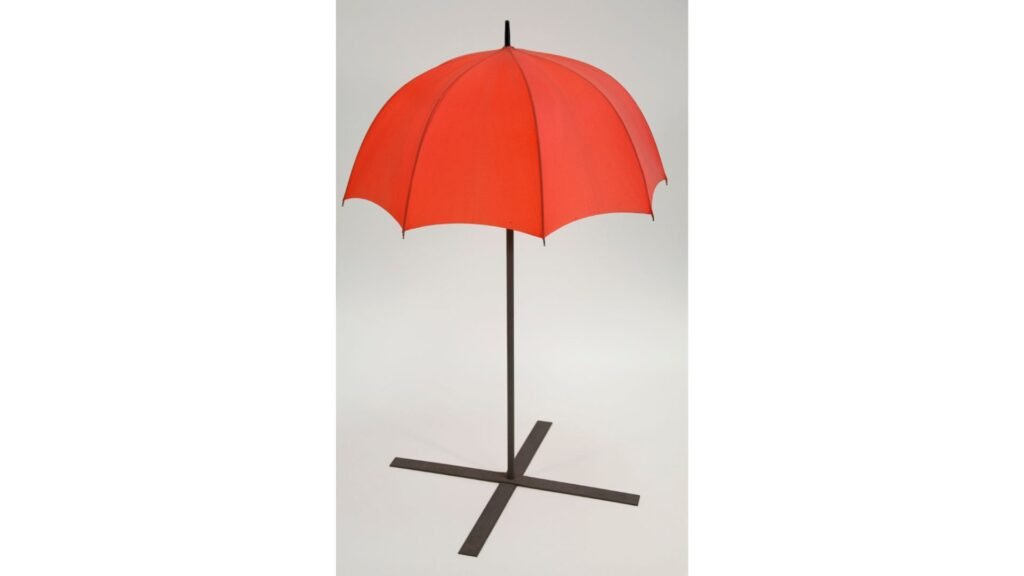
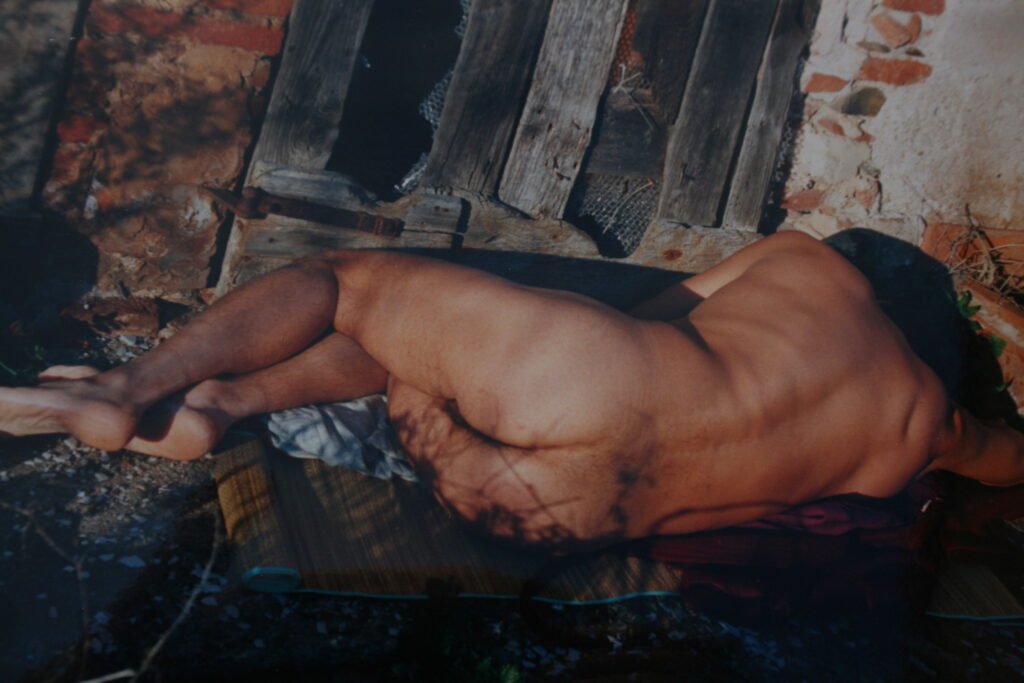
La fotografia Jaient com un gos introdueix el cos de l’artista com un altre espai de desplaçament. Estirat i d’esquena, el cos abandona la seva condició habitual i es converteix en una imatge entre la presència i l’absència, entre l’acció i la quietud. A Pluja roja, un paraigua vermell sostingut per una creu de ferro estableix una altra tensió entre protecció i exposició, entre la pluja que cau i la fragilitat d’allò que suposadament ens ha de protegir.
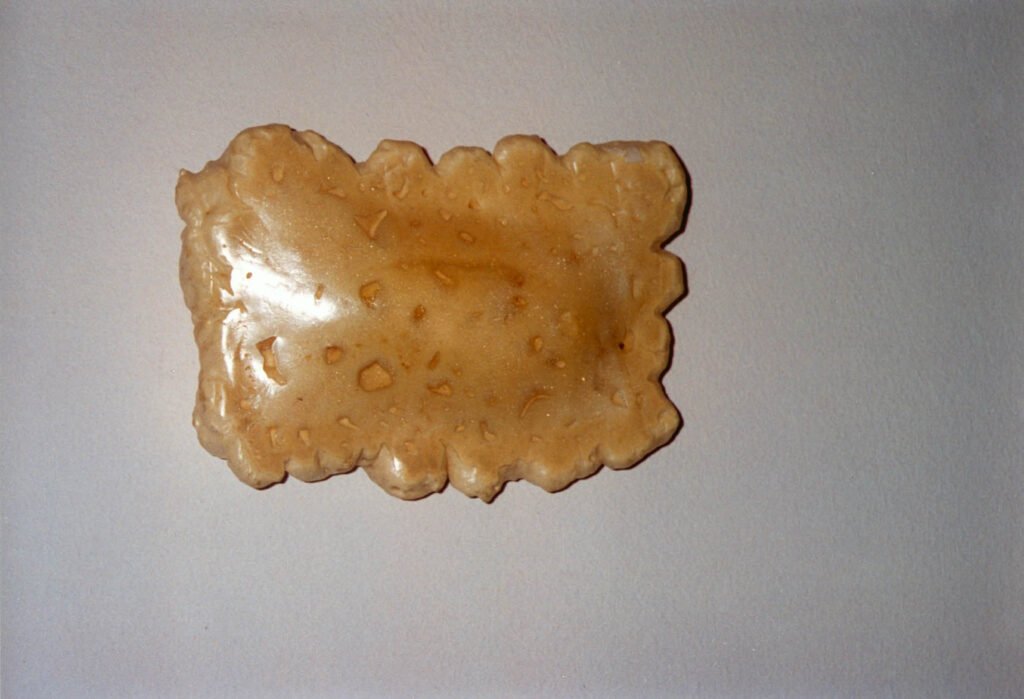
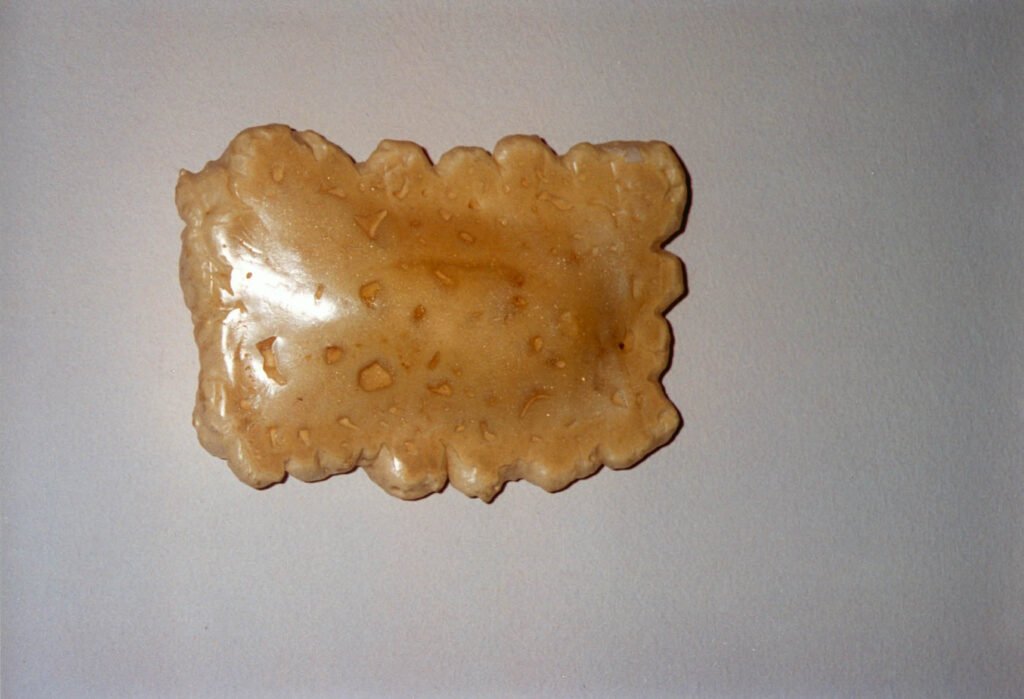
Les quatre petites pintures realitzades amb materials brillants completen el conjunt i funcionen com una única peça. La seva proximitat accentua aquesta idea de relació, de continuïtat entre fragments, de connexions imprevistes.
En totes aquestes obres, Maurí treballa des del desplaçament: gira, capgira, desmunta o incorpora els objectes a l’espai per fer visible allò no funcional, que habitualment queda en segon terme o passa desapercebut. L’interval es converteix així en una manera de mirar, en aquell lloc intermedi on els objectes, els cossos i els espais deixen de tenir un únic significat i poden establir noves relacions, de vegades inversemblants.
ENGLISH
This project explores the space that opens up between things: between the interior and the exterior; between what is shown and what remains hidden; and between the object and its meaning. In this project, Enric Maurí removes objects and forms from their usual context and places them in a transitional space where they cease to be what they were and become something else. Here, the interval is not a void, but a place of relation and possibility.
In Interior, a fur coat is folded in on itself, exposing its inner part to the outside. The collar and sleeves, also turned inside out, alter its form and function. This simple gesture introduces a fracture in the habitual perception of the object: what was meant to remain inside now occupies the outside.
In Wall Hands, plaster hands emerge directly from the architecture. The body seems to extend into the wall, and the wall becomes an extension of the body. By contrast, in Sun and Shadow, the umbrella has lost its function, retaining only the black fabric and the metal structure supporting it. Stripped of its function, the umbrella acquires a different presence, suggesting an image between the sun and its shadow.
In the photograph Lying Like a Dog, the artist’s body is presented as an additional space of displacement. Lying on his back facing away from the viewer, his body abandons its usual state and becomes an image of presence and absence, action and stillness. In Red Rain, an iron cross holding a red umbrella creates a tension between protection and exposure, and between the falling rain and the fragility of that which is meant to protect us.
The four small paintings, which are made with reflective materials, complete the series, functioning as a single work. Their proximity reinforces the idea of relationships and continuity between fragments and unexpected connections.
Throughout these works, Maurí explores displacement by turning, reversing, dismantling or incorporating objects into the space to reveal the non-functional and the usually overlooked. The interval thus becomes a way of looking; an in-between space in which objects, bodies, and spaces cease to have a single meaning, allowing them to establish new, sometimes improbable, relationships.