Estat de Coma
(In a Coma)
CATALÀ (English below)
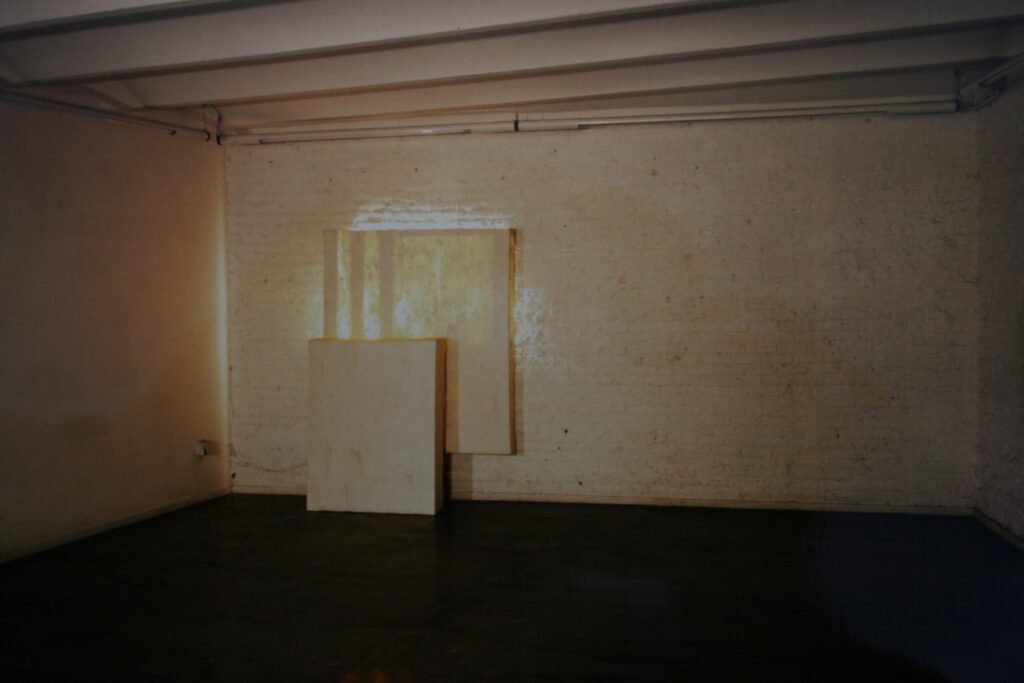
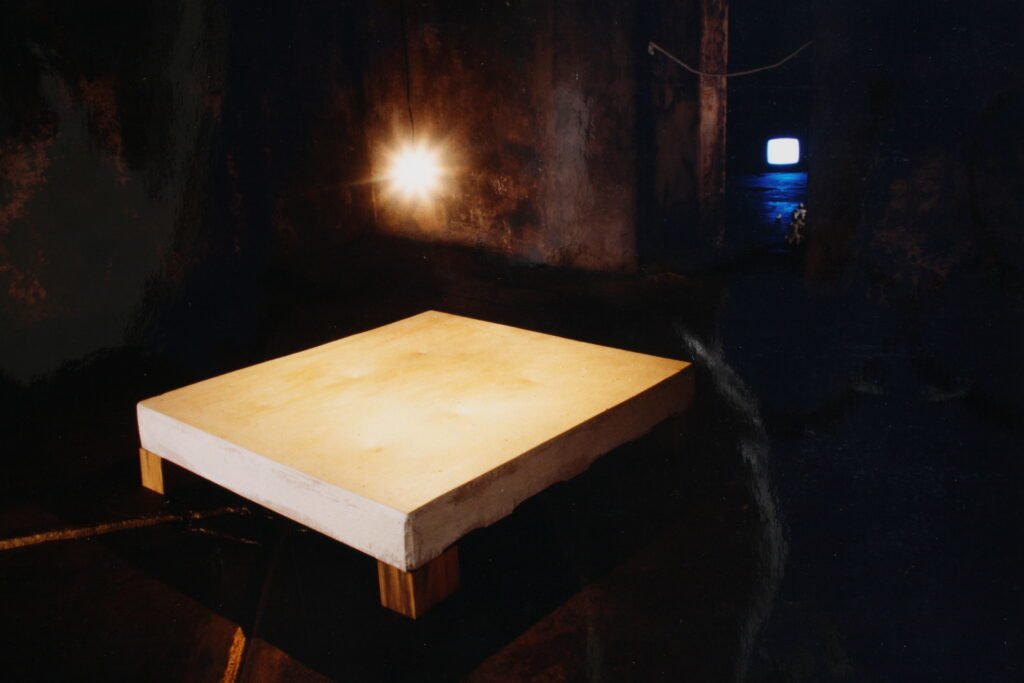
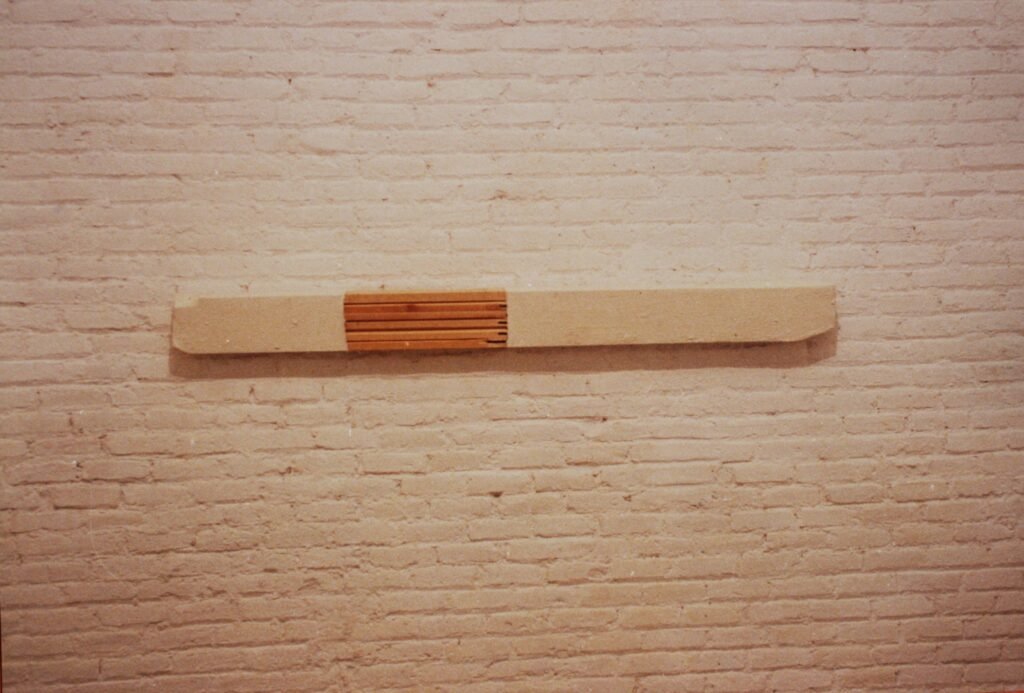
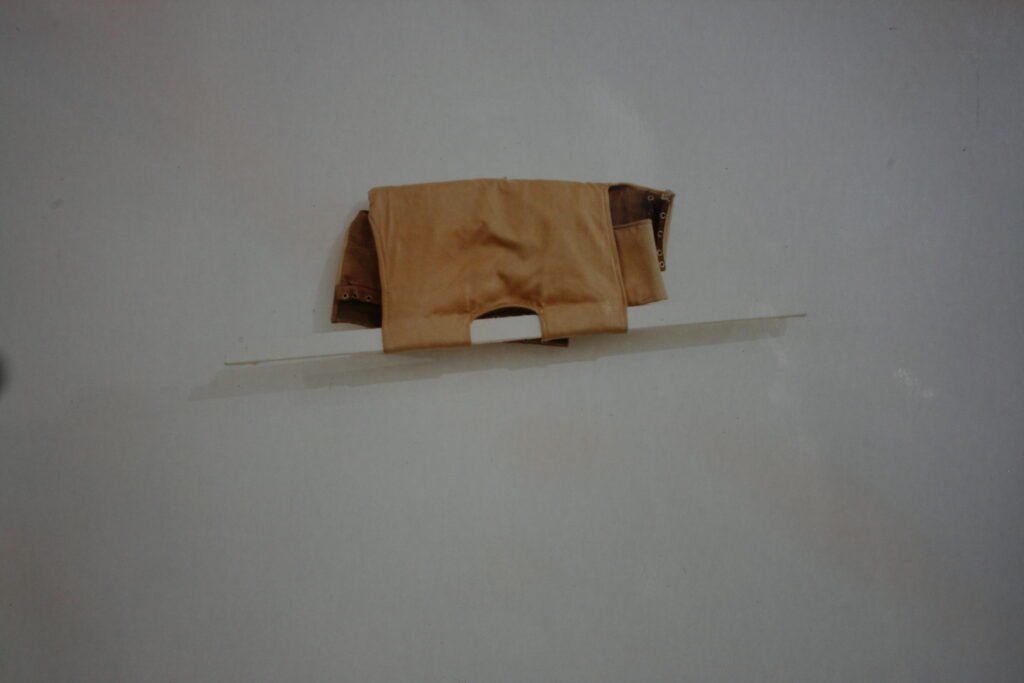
Estat de coma és un projecte que parteix de la situació de l’art l’any 1992, en plena eufòria olímpica i en un moment en què Barcelona esdevé un gran aparador. En aquest context, Enric Maurí es pregunta quin paper ocupa l’art en una societat que sembla convertir-ho tot en espectacle, en representació i en parc temàtic.
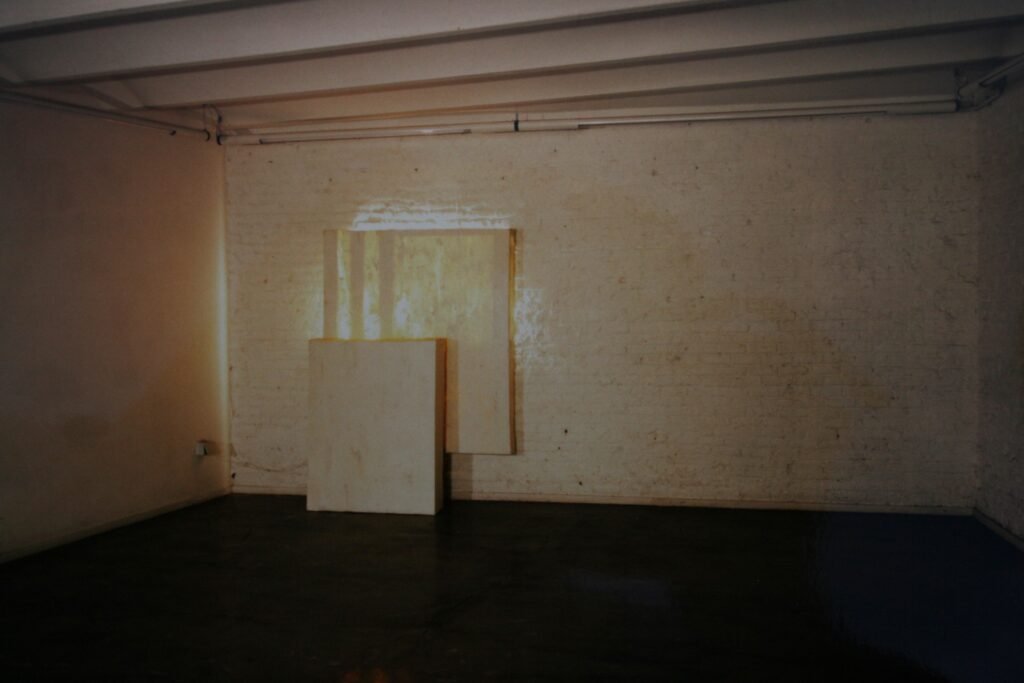
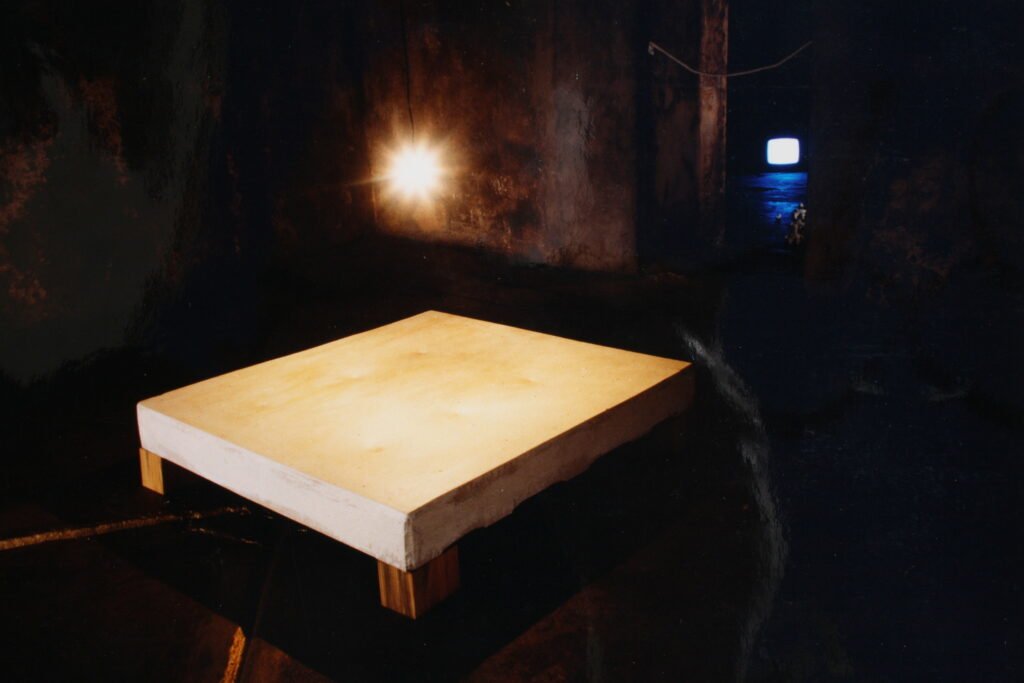
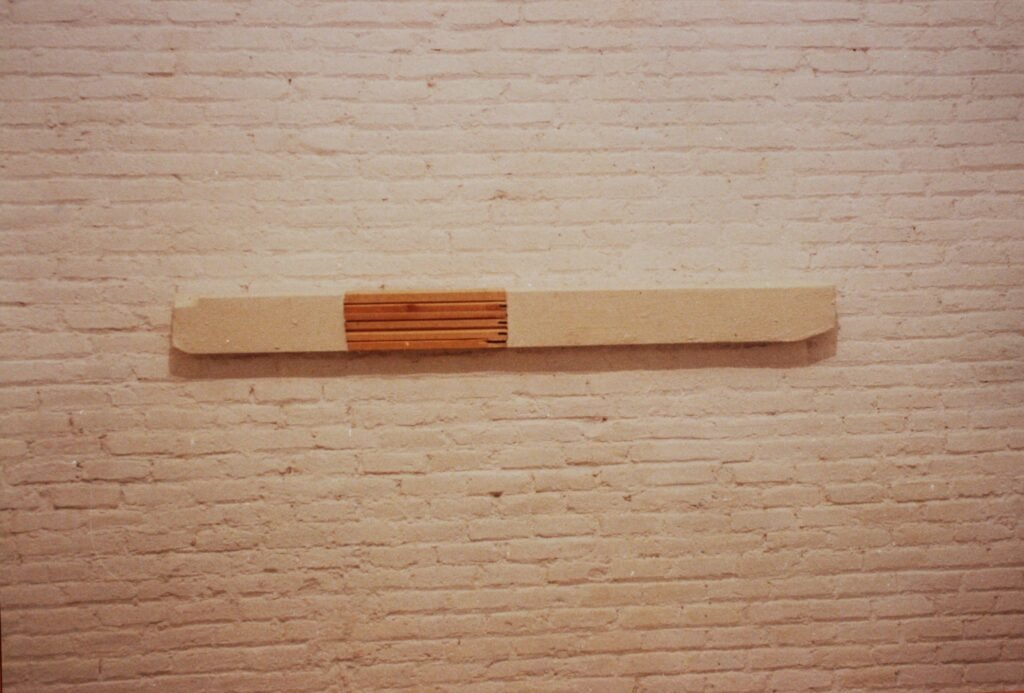
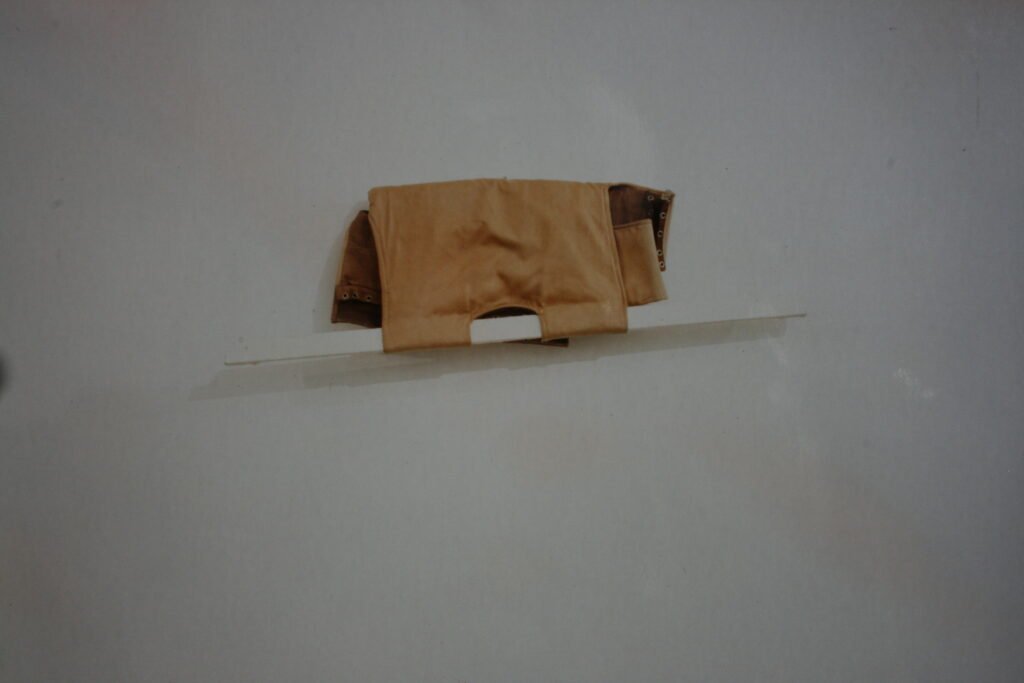
A partir d’aquesta tensió, l’artista construeix una sèrie de peces que posen en qüestió els mecanismes de representació i els discursos que sostenen aquella celebració col·lectiva. Maurí embolcalla els bastidors amb teles, construeix objectes i estructures que incorporen la llum i desplaça elements propis de l’àmbit laboral cap a l’espai de l’art. Són gestos que introdueixen una certa incomoditat enmig de l’eufòria i que qüestionen allò que queda fora del gran relat de la ciutat olímpica.
En aquest conjunt destaca Analgèsic, un gran sandvitx que funciona com una imatge irònica i alhora incisiva de les formes d’ajuda i solidaritat adreçades a països empobrits. L’obra posa el dit a la nafra d’un sistema que, sota l’aparença de la solidaritat, reprodueix relacions de dependència i formes de neocolonialisme.
Estat de coma planteja així una mirada crítica sobre un moment en què l’art, la ciutat i els grans esdeveniments semblen formar part d’un mateix dispositiu espectacular. Davant d’aquesta eufòria, Maurí introdueix el dubte, la contradicció i allò que queda fora de camp.
ENGLISH
In a coma is a project that considers the state of art in 1992, at the height of Olympic euphoria, when Barcelona became a major showcase. Against this backdrop, Enric Maurí explores the role of art in a society that appears to transform everything into a spectacle, a representation, and an amusement park.
The artist creates a series of works from this tension that interrogate the mechanisms of representation and the discourses underpinning that collective celebration. He wraps stretcher frames in fabric, constructs objects and structures incorporating light, and shifts elements associated with the world of labour into the art space. These gestures introduce a sense of unease amid the euphoria, questioning what is excluded from the grand narrative of the Olympic city.
One notable piece is Analgèsic (Analgesic): a large sandwich that serves as an ironic yet incisive depiction of aid and solidarity directed towards impoverished countries. The work exposes a system that reproduces relations of dependency and forms of neocolonialism under the guise of solidarity.
In a coma thus offers a critical view of a moment when art, the city, and major events appear to be part of the same spectacular apparatus. In the face of this euphoria, Maurí introduces doubt, contradiction, and the things that remain outside the frame.