Metamemoria | Instal.lació Pública
(Metamemory | Public Installation)
CATALÀ (English below)
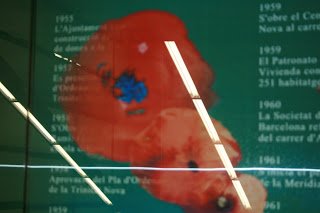
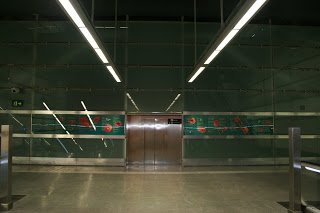
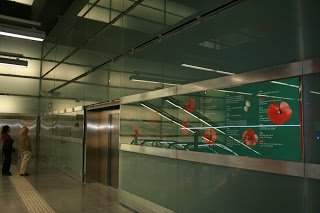
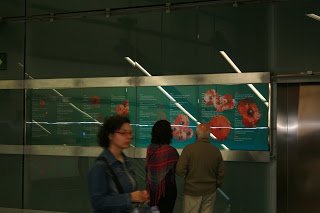
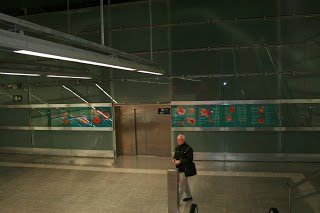
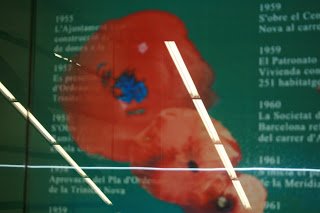
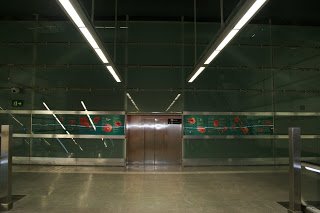
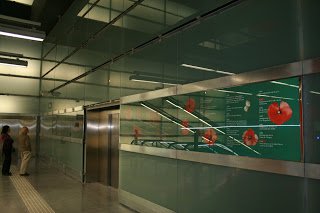
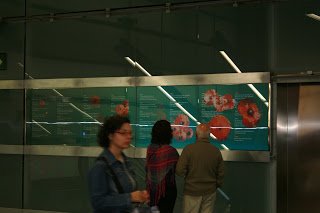
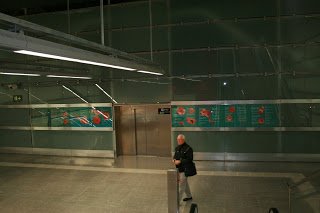
Enric Maurí parteix d’una constatació: el barri posseeix una rica memòria viscuda, de caràcter quasi oral. Aquesta és una memòria fluïda i canviant però, a la vegada, absolutament autèntica, lligada a l’experiència humana tant d’individus aïllats com de la col·lectivitat. En la seva franquesa i palpitació, aquest relat històric fluctuant deixa de banda aquella història més antiga que exigeix erudició llibresca o d’un sentit patrimonial tradicional. Enric Maurí mira de resoldre tal dissociació. Els habitants de Trinitat Nova tenen un lligam profund i emotiu amb el seu barri, en són l’ànima, l’esperit i la memòria. El seu origen modest els ha apartat de certes estratègies de legitimitat i prestigi que són pròpies dels grups humans que han tingut els mitjans materials i ideològics per a establir una genealogia, és a dir, una història. L’obra de Maurí reivindica justament això, que els veïns de Trinitat Nova, el seu barri, també tenen dret a la història. D’aquí que l’artista hagi creat una taula cronològica, com la que faria un estudiós, combinant aquells episodis més recents que els veïns consideren determinants amb una retrospectiva que arriba fins al 1143, data de la reconstrucció de la capella de la Santíssima Trinitat, primera fita rellevant. Ara bé, un cop estableix aquesta història del barri com a relat i com a monument, Maurí vol transmetre el que la fa diferent, allò de bo, de sa i de veritable que hi ha en el fet que sigui també aparentment fràgil i precària. Per això superposa sobre el text una floració exuberant de roselles. Les flors i el text es van succeint i confonent, establint una analogia significativa. La rosella és una flor petita però bonica, espontània, silvestre, que transfigura camps i terrenys de vegades descuidats en espais d’acollidora bellesa, una planta que resisteix pesticides i conreus. Així, la vitalitat de la gent de Trinitat Vella ha sabut superar dificultats i, contra pronòstic, fecundar un territori. Maurí fa visibles, de manera subtil i dinàmica, l’energia d’una comunitat que, superades les vicissituds, ha fet i fa història, que construeix un llegat i un lloc per als seus fills.
Text del catàleg per Àlex Mitrani
ENGLISH
Enric Maurí starts from an observation: the neighbourhood possesses a rich lived memory, almost oral in character. This is a fluid and changing memory, but at the same time absolutely authentic, linked to human experience, both that of individuals and that of the community as a whole. In its frankness and vitality, this fluctuating historical narrative leaves aside the older history that requires scholarly knowledge or a traditional sense of heritage.
Enric Maurí seeks to resolve this dissociation. The inhabitants of Trinitat Nova have a deep and emotional bond with their neighbourhood; they are its soul, spirit and memory. Their modest origins have kept them apart from certain strategies of legitimacy and prestige that are characteristic of human groups who have had the material and ideological means to establish a genealogy — that is, a history. Maurí’s work precisely vindicates the idea that the residents of Trinitat Nova, and their neighbourhood, also have a right to history.
For this reason, the artist has created a chronological timeline, such as the one a scholar might produce, combining those more recent episodes that the residents consider decisive with a retrospective that goes back to 1143, the date of the reconstruction of the Chapel of the Holy Trinity, the first significant milestone.
However, once he establishes this history of the neighbourhood as both narrative and monument, Maurí seeks to convey what makes it different: the goodness, vitality and authenticity contained in the fact that it is also apparently fragile and precarious. For this reason, he overlays the text with an exuberant flowering of poppies. The flowers and the text follow one another and merge, creating a meaningful analogy.
The poppy is a small but beautiful flower, spontaneous and wild, which transforms fields and sometimes neglected areas into spaces of welcoming beauty; a plant capable of resisting pesticides and cultivation. In the same way, the vitality of the people of Trinitat Vella has managed to overcome difficulties and, against all odds, make a territory flourish.
Maurí subtly and dynamically makes visible the energy of a community that, having overcome its difficulties, has made and continues to make history, building a legacy and a place for its children.
From catalog text by Àlex Mitrani