Sarajevo, 2000 i l’Oblit
(Sarajevo, 2000 and Oblivion)
CATALÀ (English below)
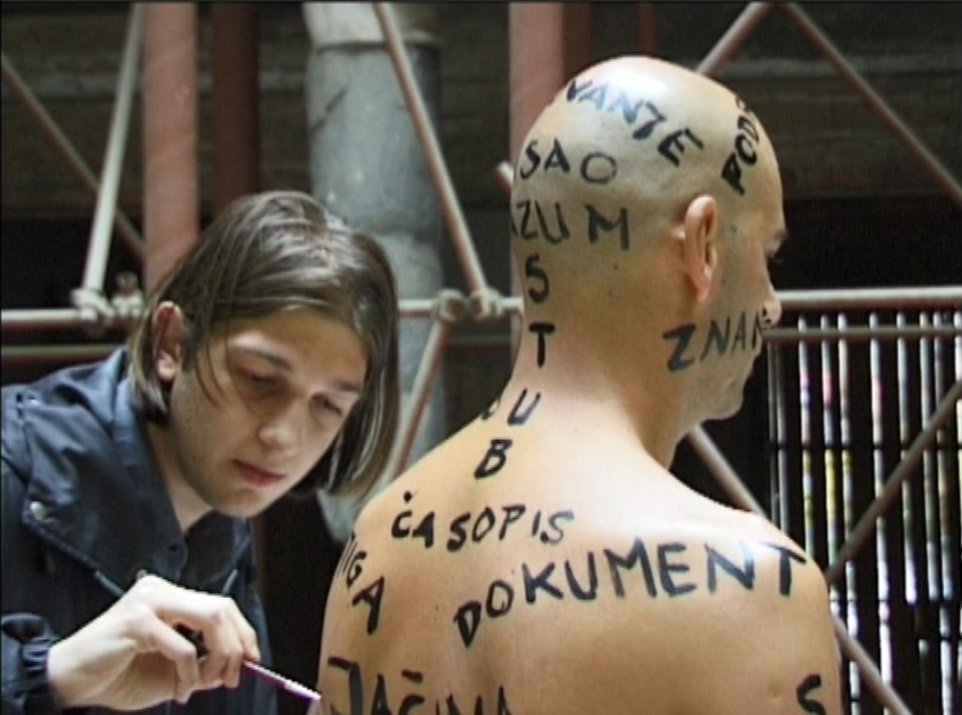
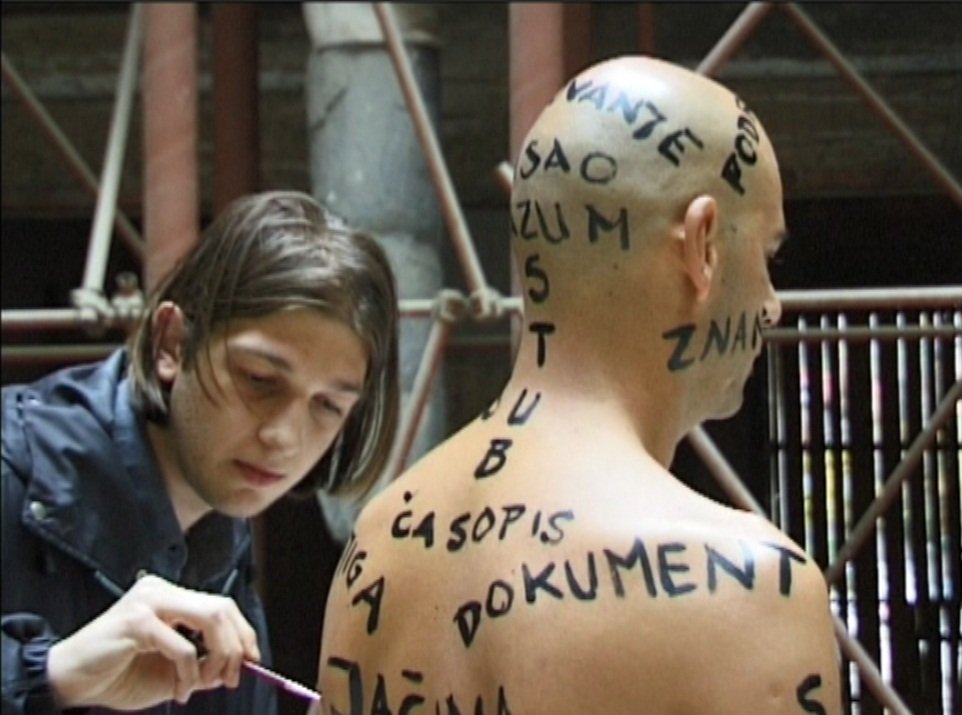
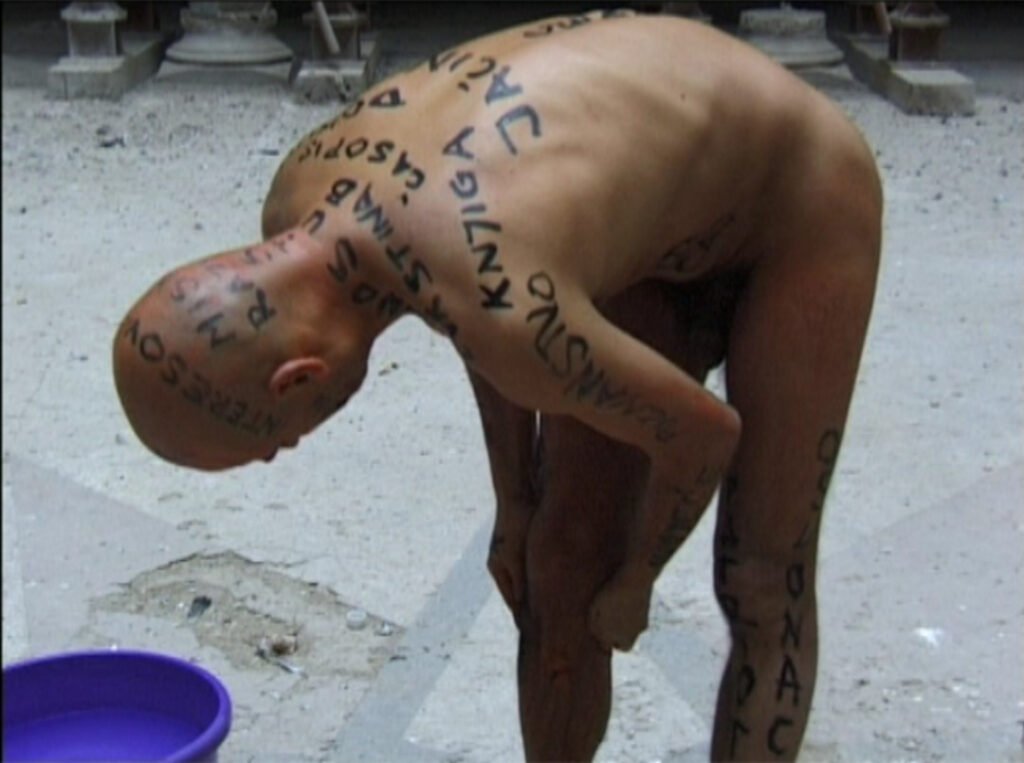
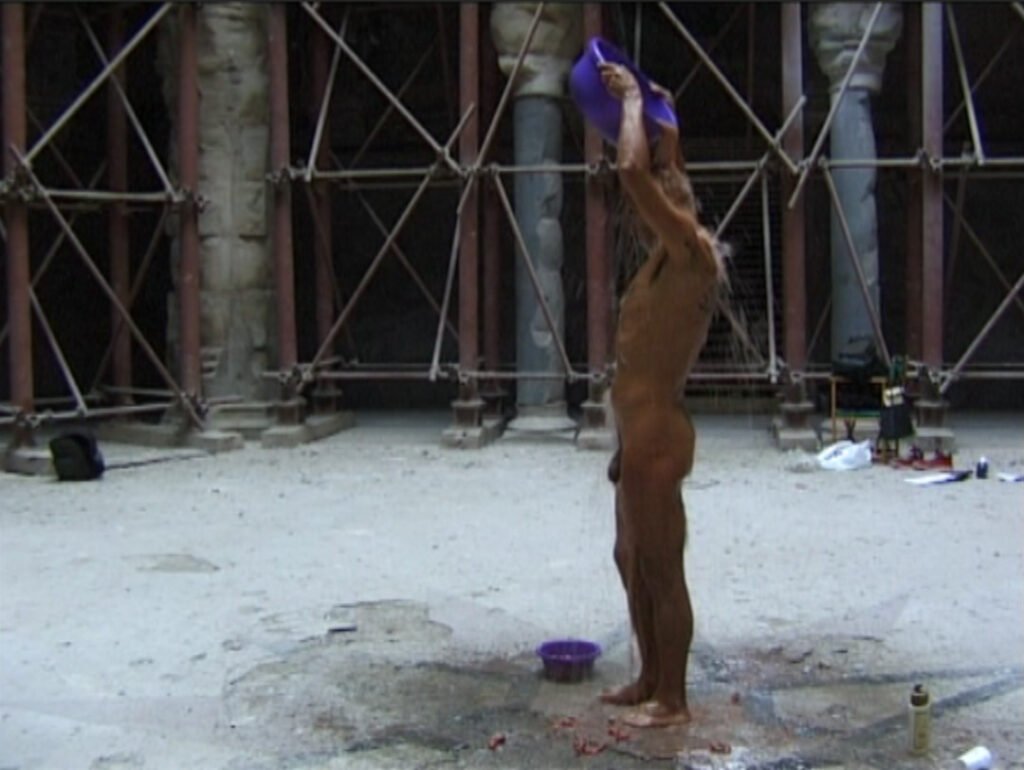
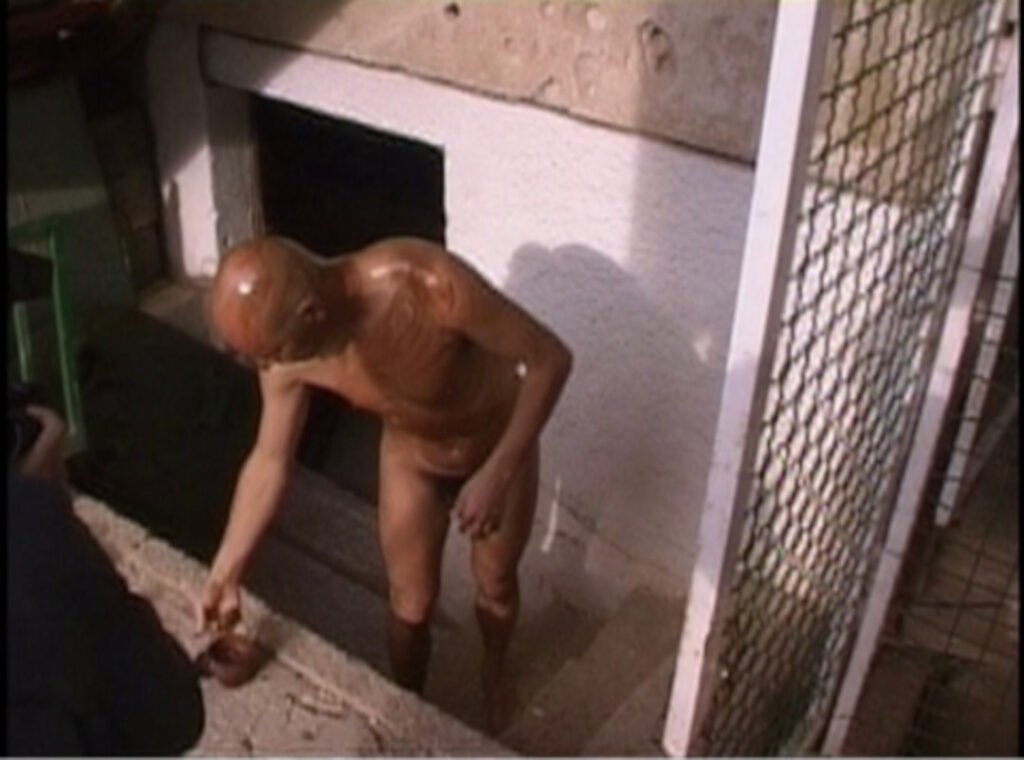
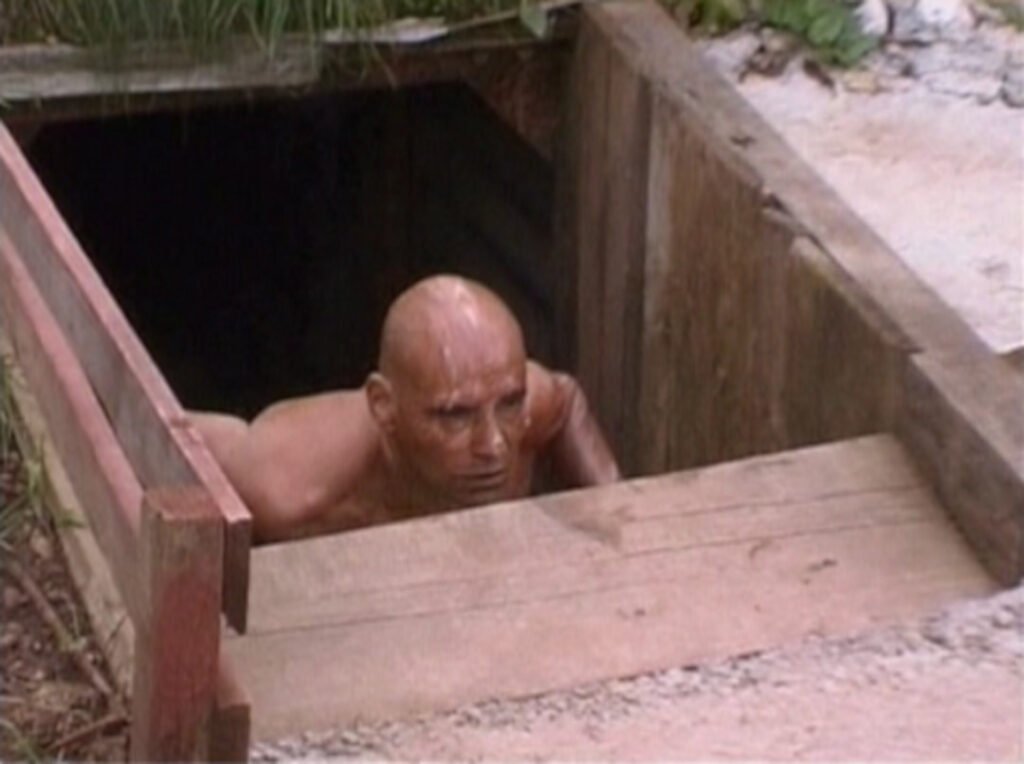
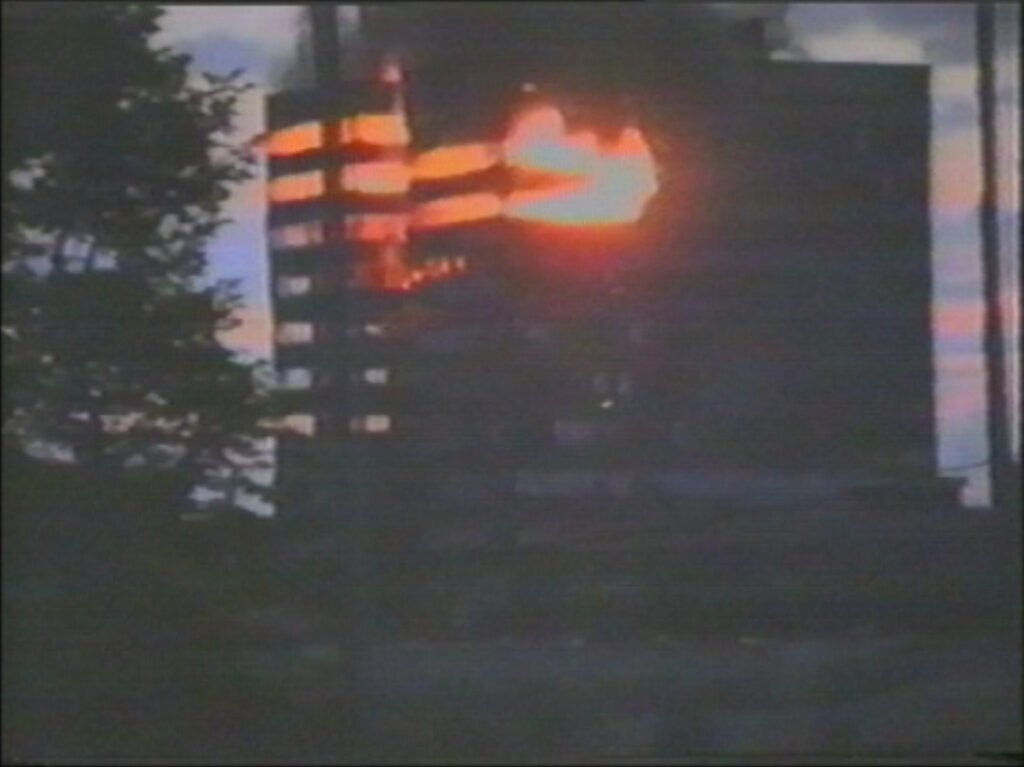
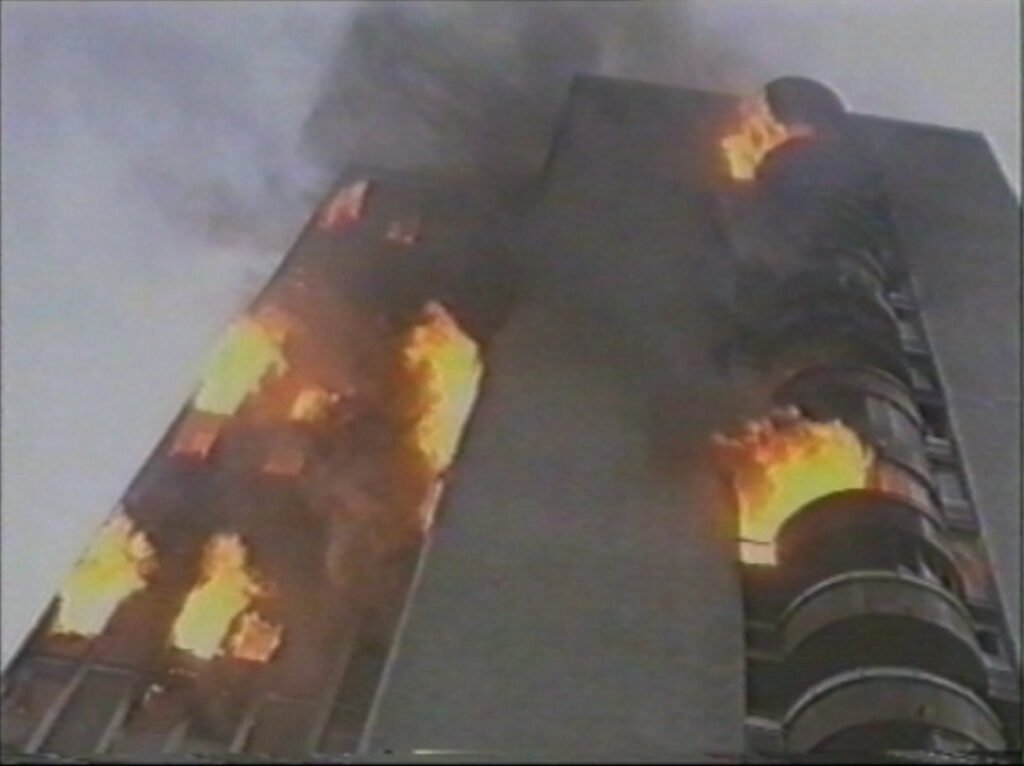
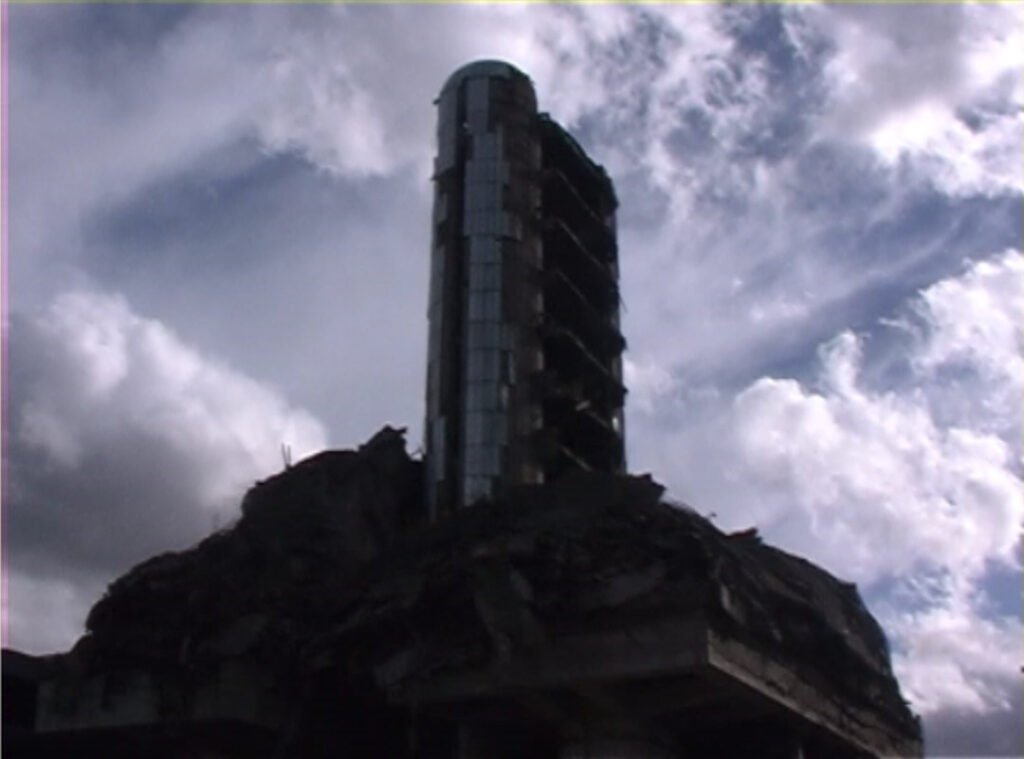
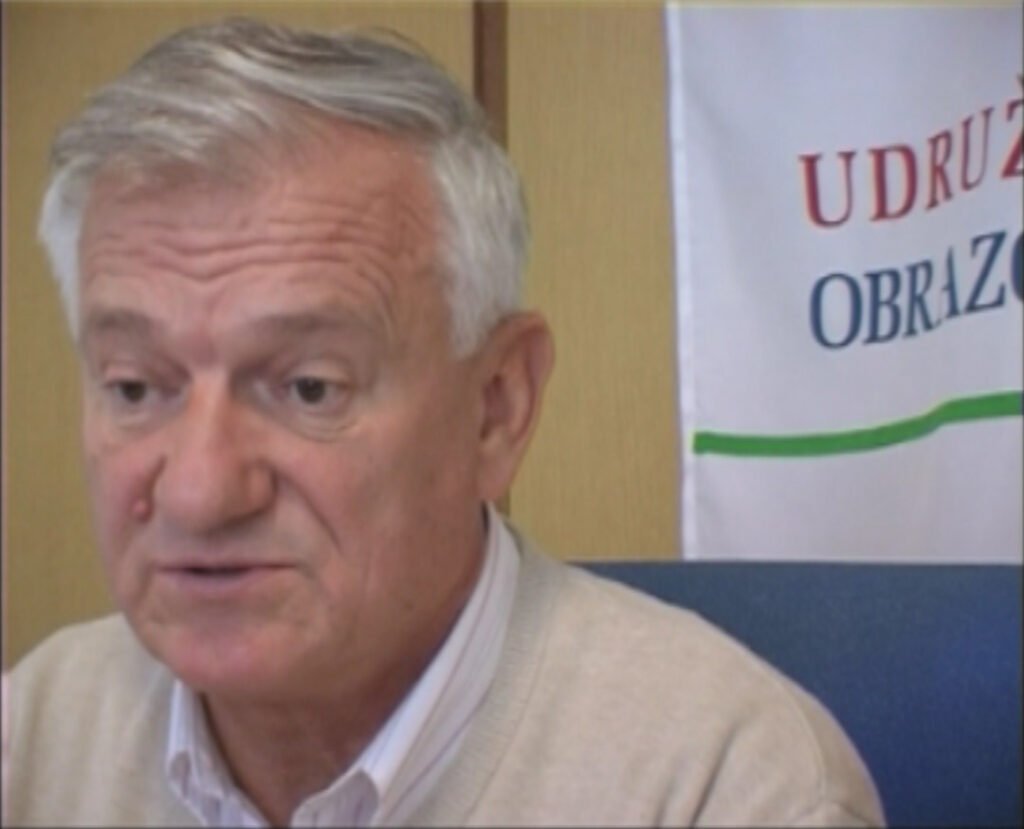
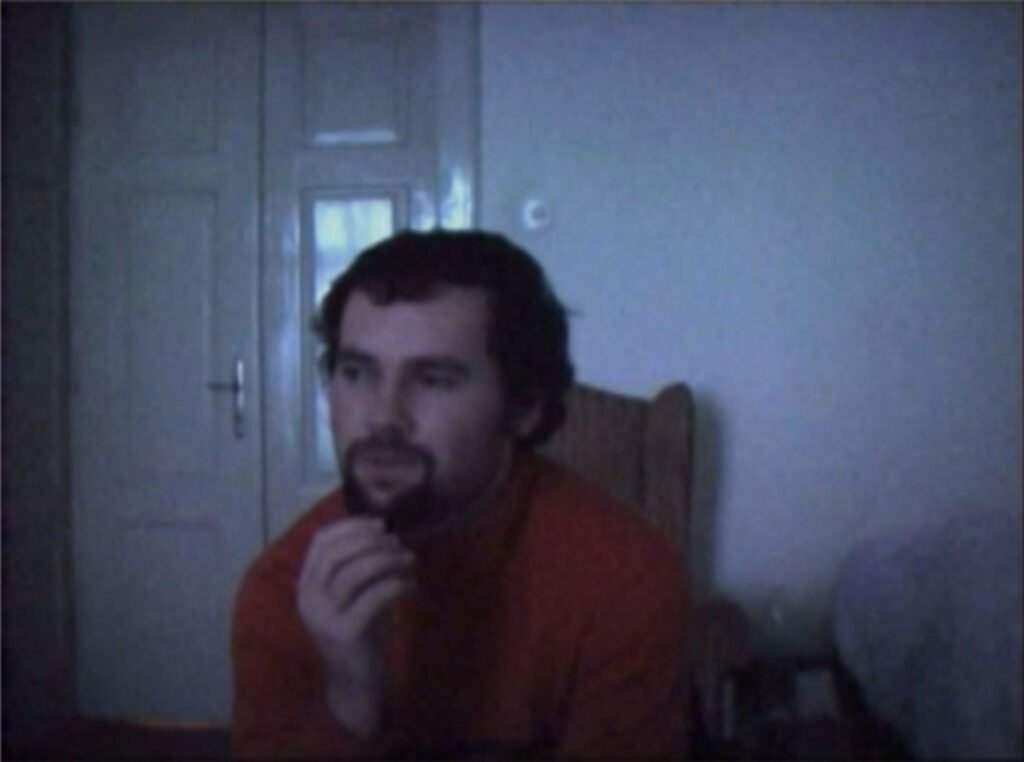
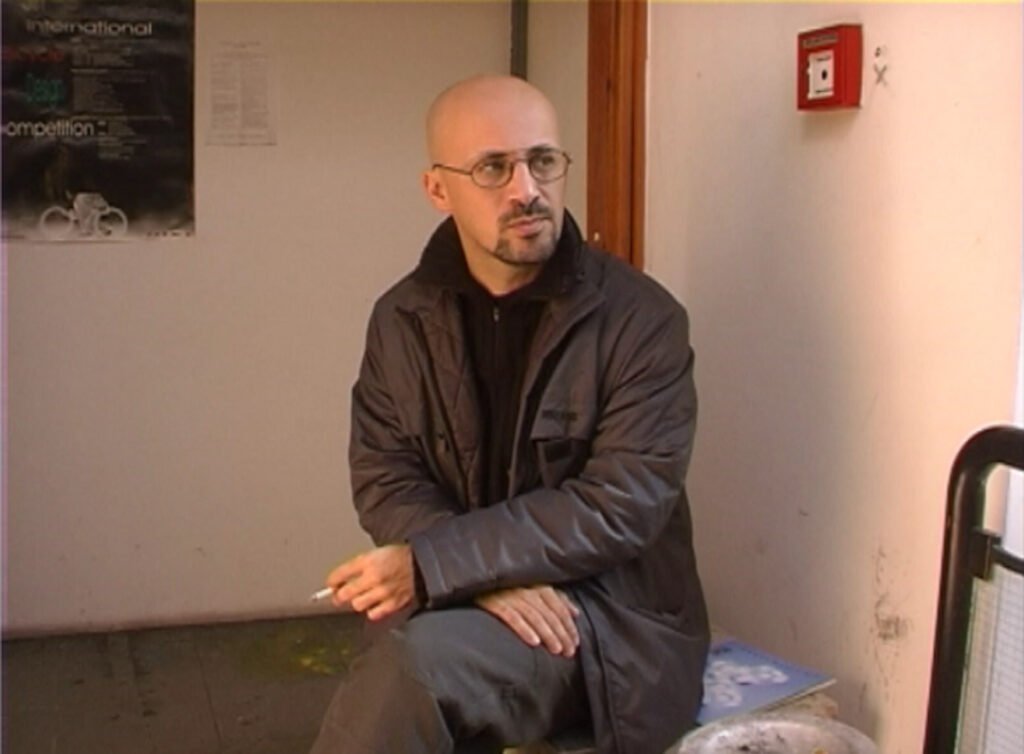
El vídeo-assaig Sarajevo, 2000 i l’oblit parteix d’una aproximació en primera persona a la situació de postguerra de Sarajevo i a la manera com un conflicte pot desaparèixer progressivament de l’espai públic i de la memòria. Maurí construeix un relat obert a partir de performances, vídeos documentals propis, entrevistes, registres del procés de treball i imatges d’arxiu dels mitjans de comunicació, que juxtaposa i desplaça del seu context original mitjançant estratègies de found footage. El projecte no pretén ordenar els fets ni oferir una lectura tancada, sinó explorar les relacions entre memòria, oblit i representació.
La producció, de baix pressupost i marcada per la immediatesa, se situa entre el documental, la pràctica artística i la recerca. Filmar esdevé una forma d’aproximació a la realitat i d’implicació de la pròpia mirada. La narració es desplega de manera oberta i processual, combinant impressions, gestos i imatges que construeixen una memòria fragmentària, en què també tenen lloc allò que no es diu i allò que ja no es recorda.
Maurí utilitza eines pròpies de l’etnografia —observació, registre fotogràfic i videogràfic, entrevistes i treball amb arxius— com a formes d’aproximació a una realitat concreta i als seus vestigis. En aquest marc, el projecte explora l’oblit no només com a conseqüència del pas del temps, sinó també com un procés que pot ser afavorit o assumit col·lectivament, en diàleg amb les aportacions d’Andreas Huyssen i la mémoire manipulée de Paul Ricœur, entesa també com un ne pas vouloir savoir.
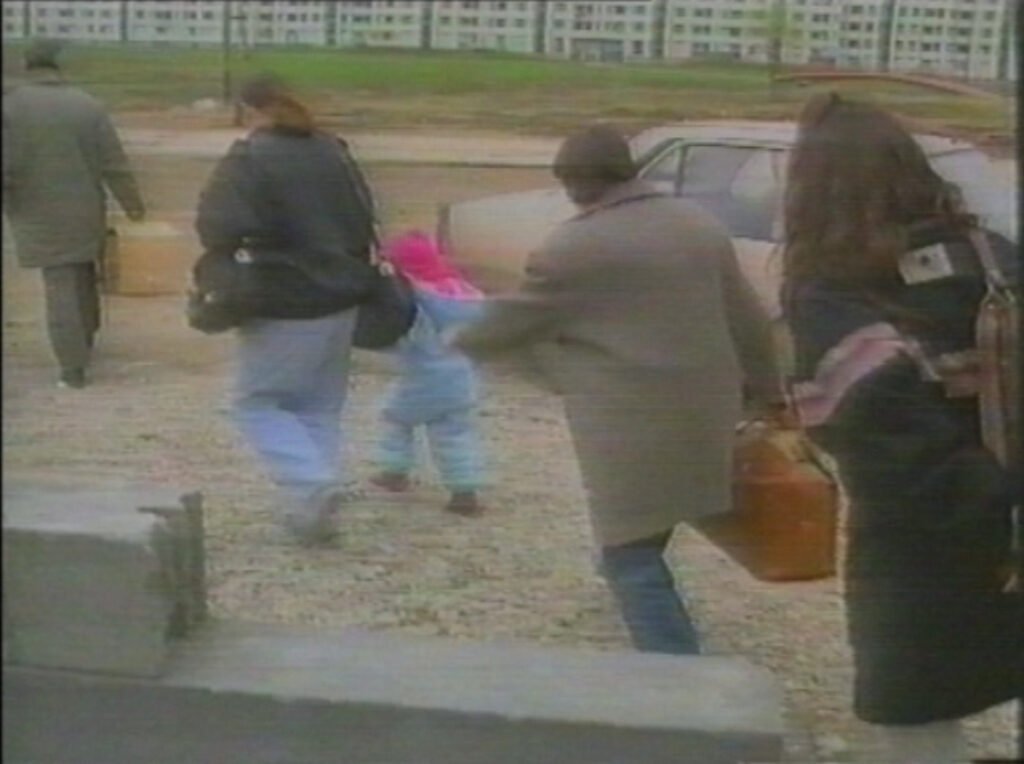
La desaparició progressiva de Sarajevo dels mitjans de comunicació constitueix el detonant de la investigació. El conflicte, que havia ocupat el centre de l’atenció mediàtica, queda progressivament desplaçat cap als marges. A partir d’aquesta desaparició, el vídeo-assaig planteja què passa quan una guerra deixa de ser notícia, què queda quan les imatges deixen de circular i com es pot recordar allò que ja no forma part de la mirada pública. El muntatge i la fricció entre imatges pròpies i mediàtiques converteixen el projecte en una reflexió sobre la memòria, l’oblit i la responsabilitat de mirar.
ENGLISH
In the video essay Sarajevo, 2000 and Oblivion, Maurí takes a first-person approach to the post-war situation in Sarajevo, examining how a conflict can gradually disappear from public spaces and collective memory. Maurí creates an open narrative by juxtaposing and displacing performances, self-produced documentary videos, interviews, records made during the creative process and archival images from the media, taken out of their original context through found footage strategies. Rather than seeking to organise the facts or offer a definitive interpretation, the project explores the relationships between memory, oblivion, and representation.
This low-budget production is characterised by immediacy, existing at the intersection of documentary, artistic practice, and research. Filming becomes a means of engaging with reality and the artist’s own perspective. The narrative unfolds openly and processually, combining impressions, gestures, and images to construct a fragmentary memory which also allows for what remains unsaid and what is no longer remembered.
Maurí uses ethnographic tools —observation, photographic and video recording, interviews, and work with archives— as ways of approaching a specific reality and its traces. Within this framework, the project explores oblivion not only as a consequence of the passage of time, but also as a process that can be encouraged or collectively embraced, in dialogue with the work of Andreas Huyssen and Paul Ricœur’s concept of mémoire manipulée, also understood as a ne pas vouloir savoir.
The gradual disappearance of Sarajevo from the media provides the starting point for the investigation. The conflict, which had once occupied the centre of media attention, is progressively pushed to the margins. The video essay asks what happens when a war ceases to be newsworthy, what remains when images stop circulating, and how we can remember something that is no longer in the public eye. The montage and the tension between self-produced and media images transform the project into an exploration of memory, oblivion, and the responsibility of observation.