Oh Dear! I Shall Be Too Late!
CATALÀ (English below)
Oh Dear! I shall be too late!, és un projecte de col·laboració entre Nathalie Rey i Enric Maurí que analitza críticament les contradiccions del neoliberalisme i el seu impacte en la societat, el consum i el medi ambient. Des d’una perspectiva activista, ambdós artistes qüestionen com les promeses de llibertat i benestar es tradueixen sovint en dinàmiques d’homogeneïtzació, dependència i degradació ecològica.
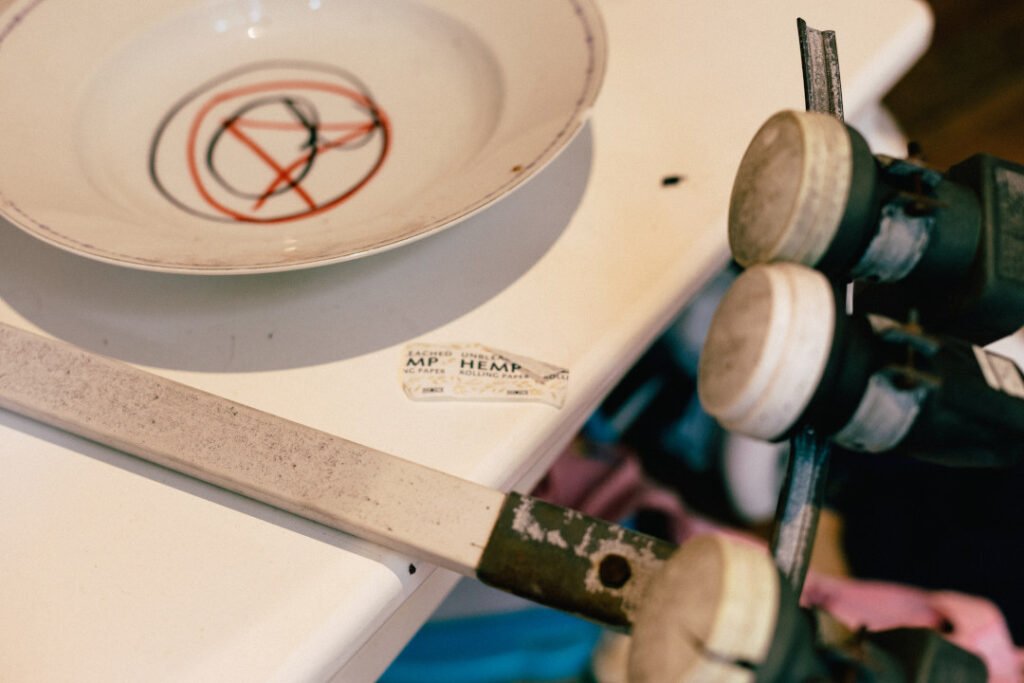
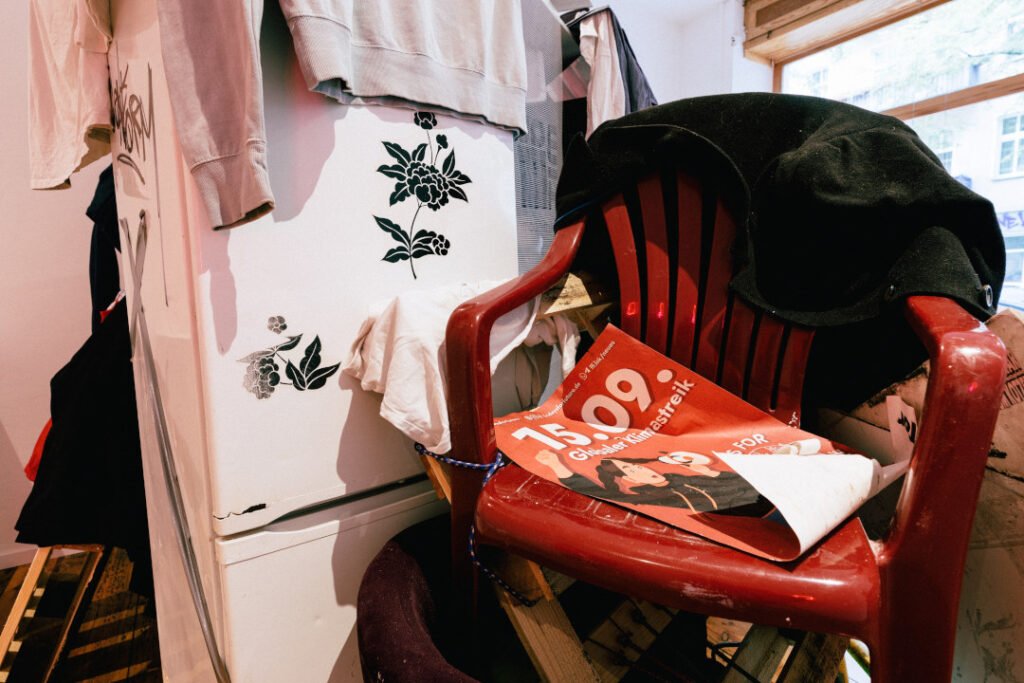
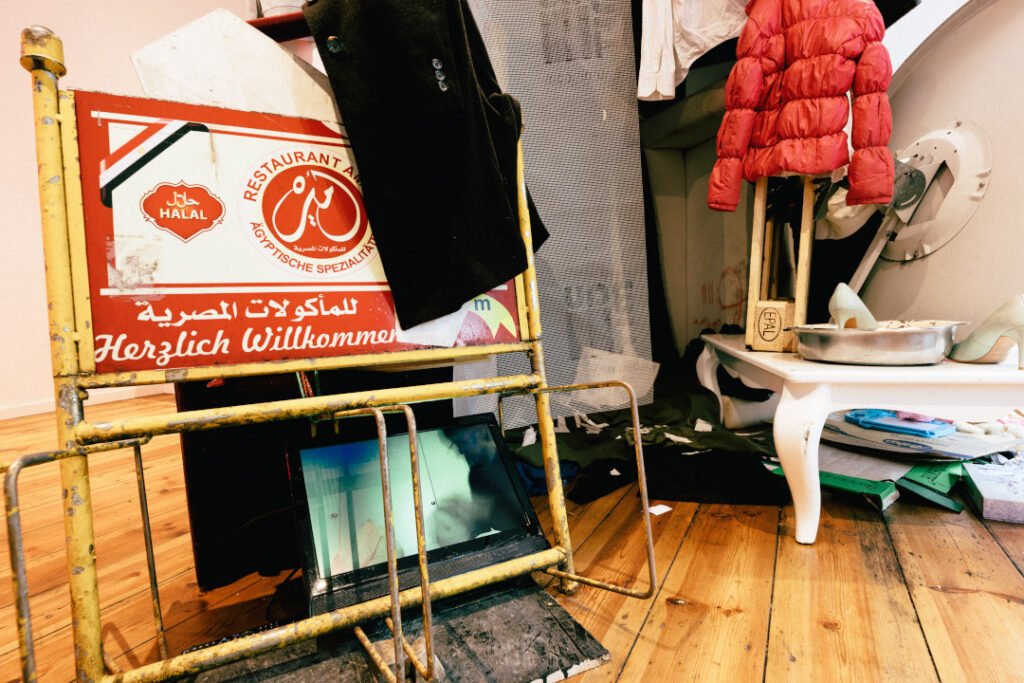
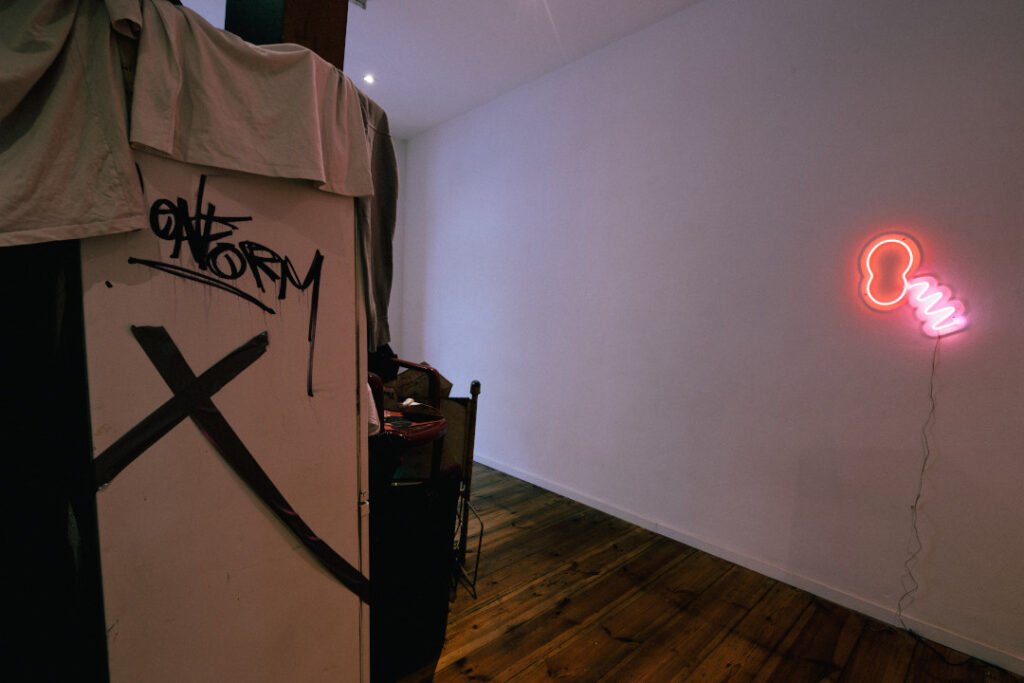
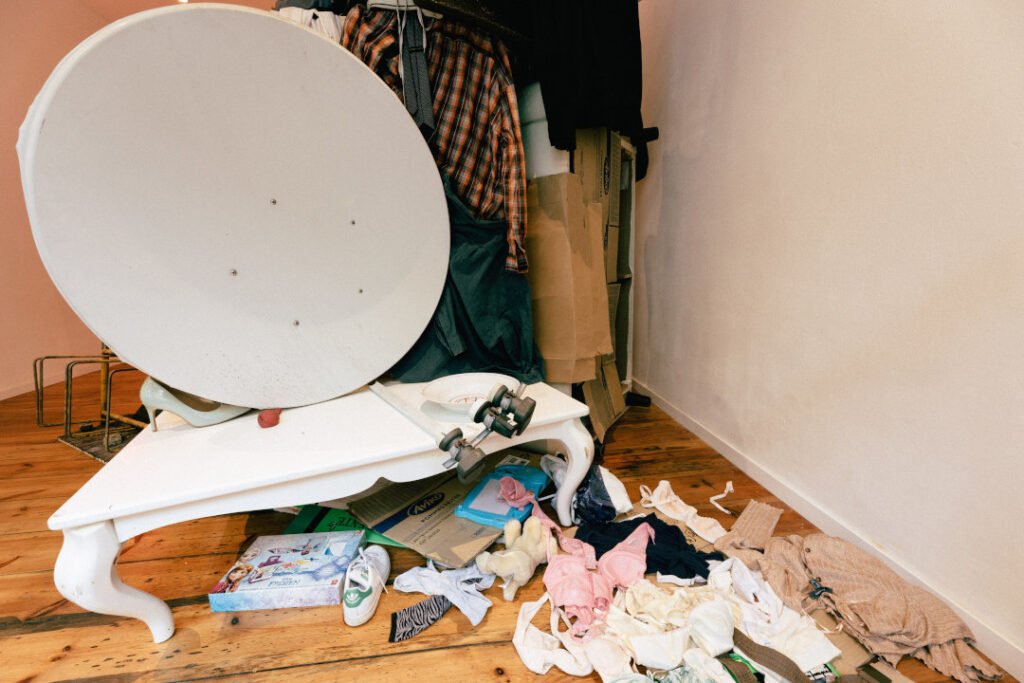
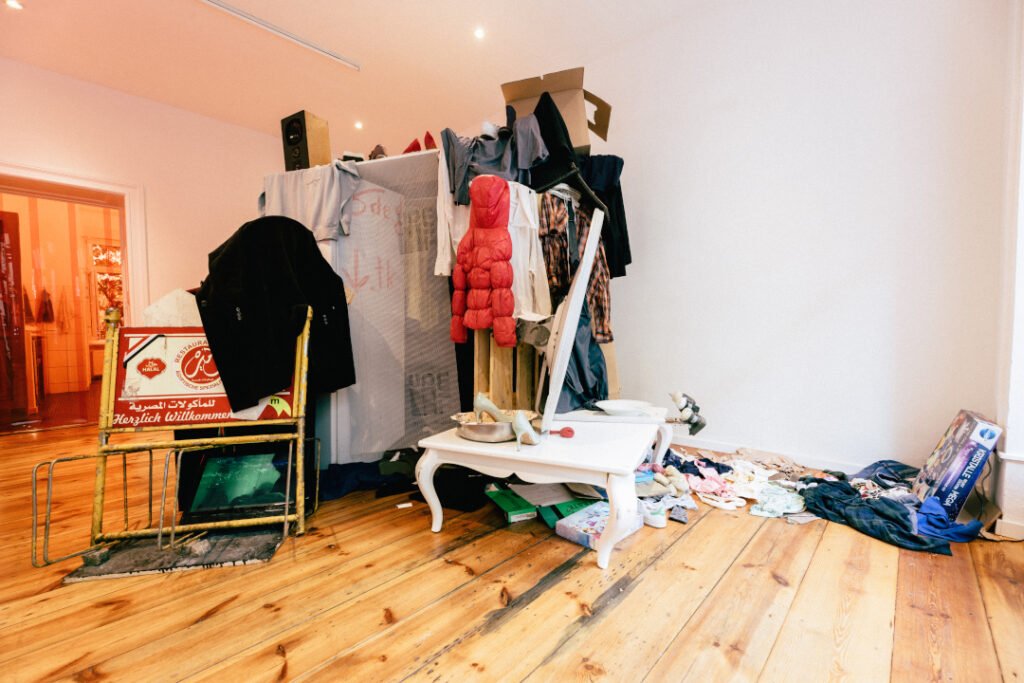
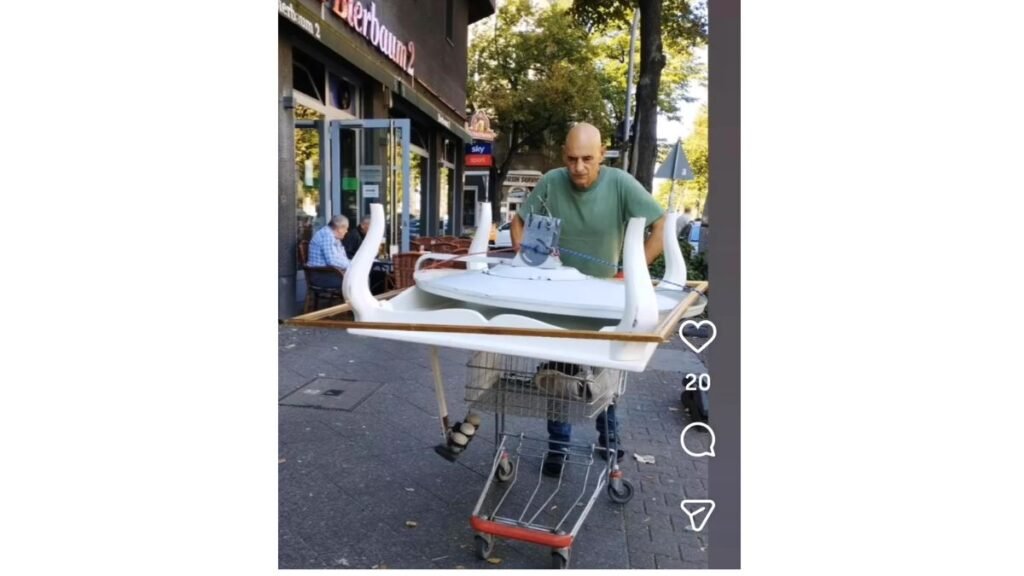
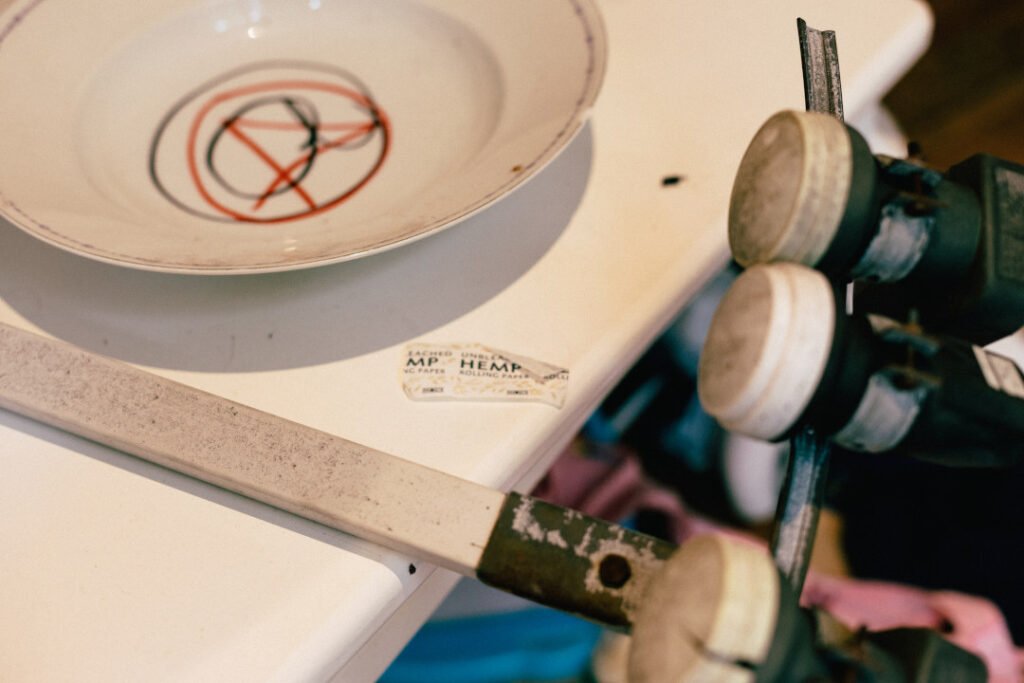
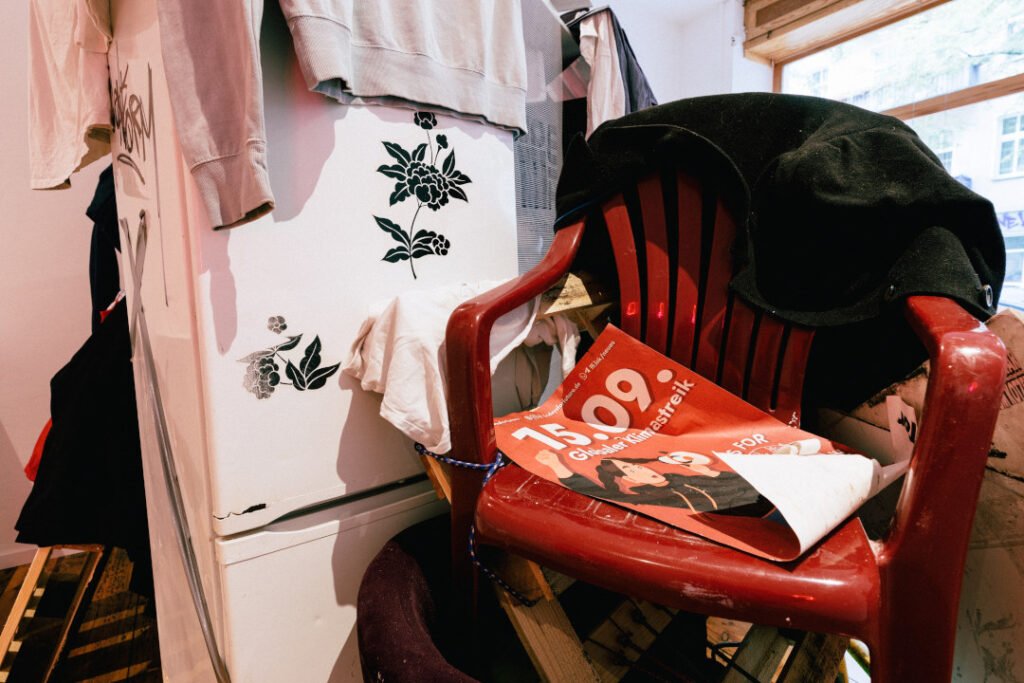
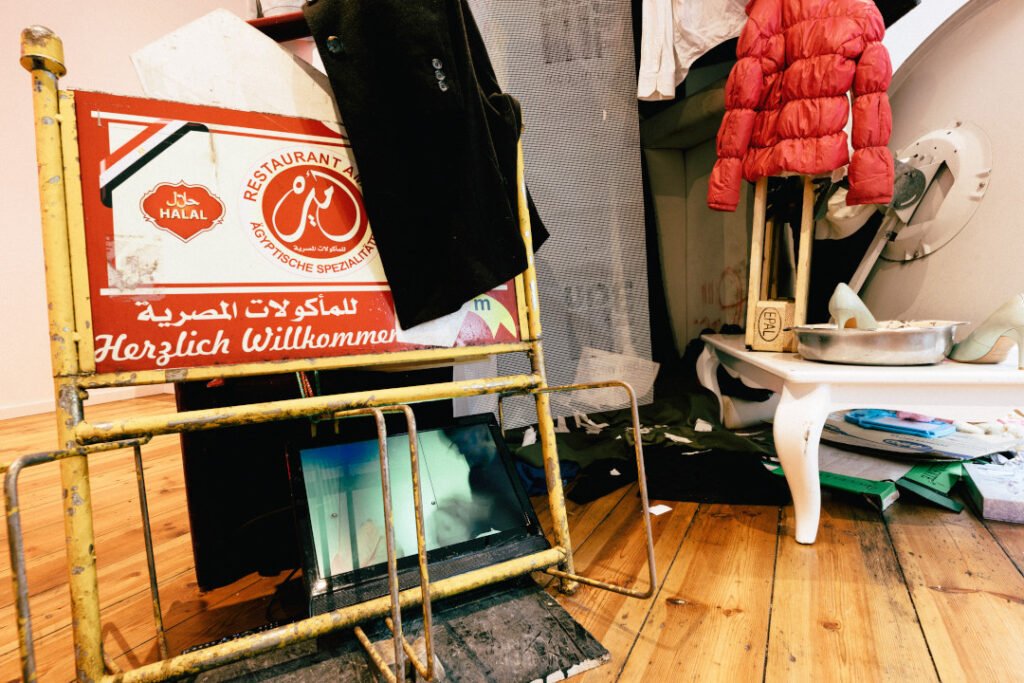
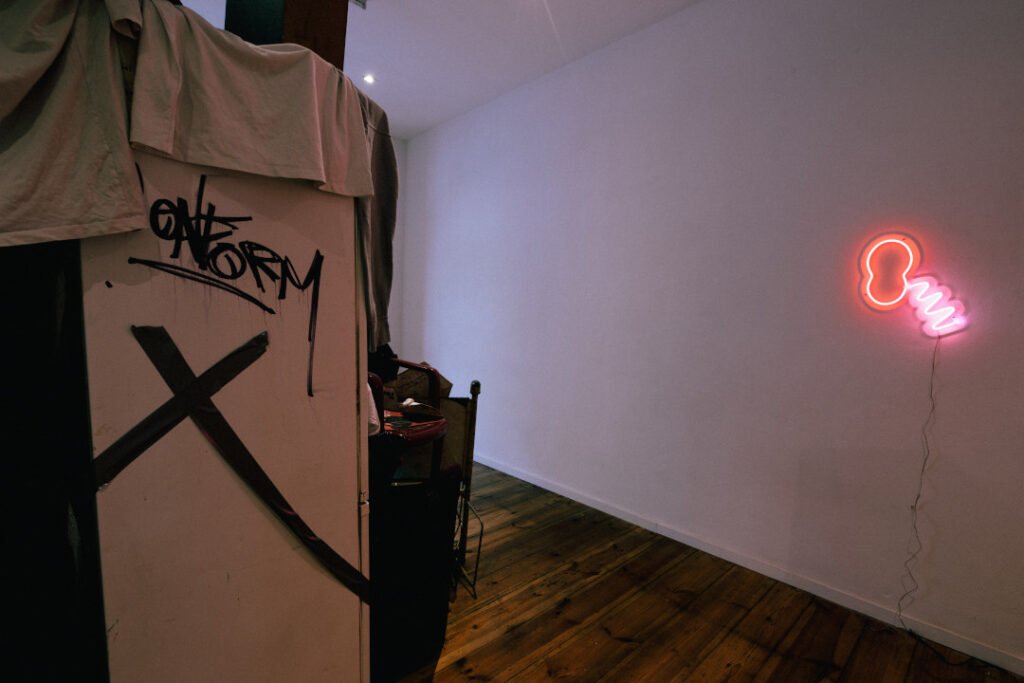
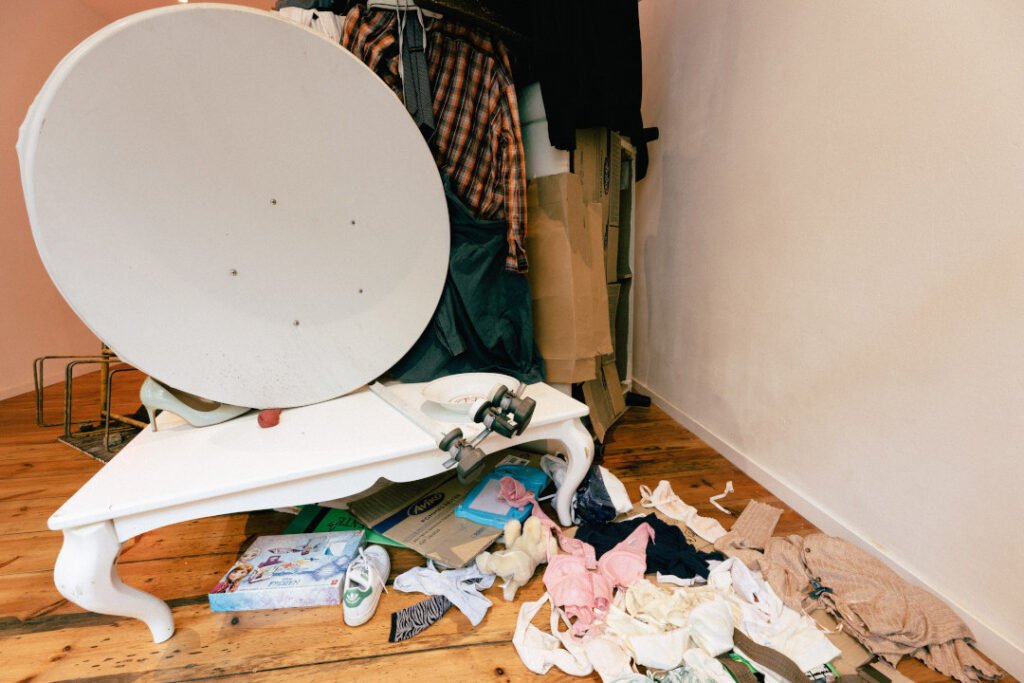
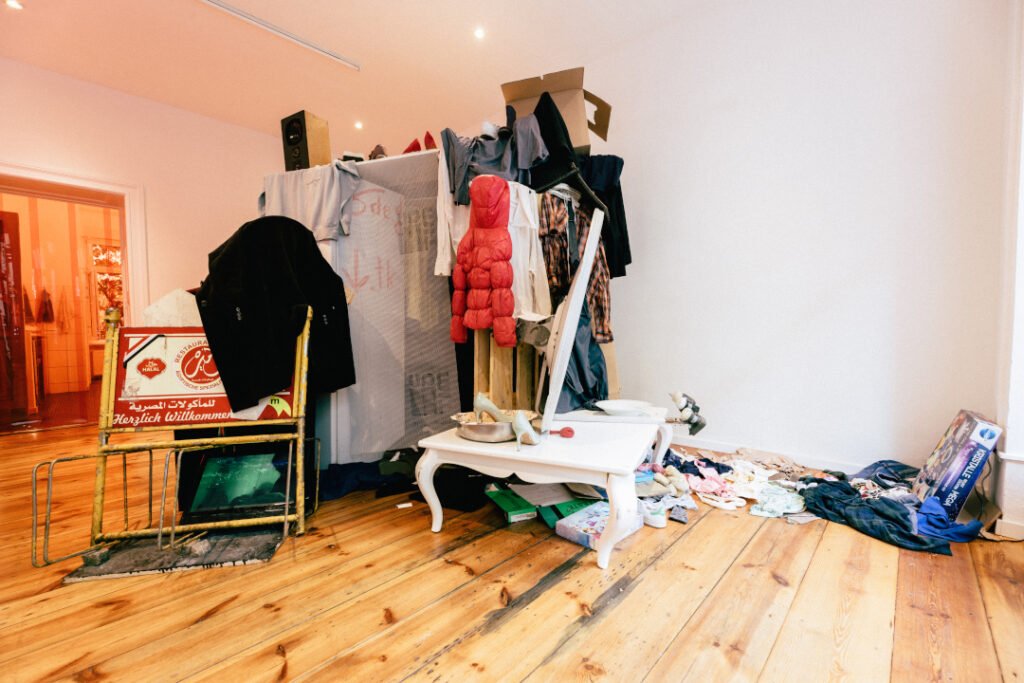
Enric Maurí construeix la instal·lació a partir d’objectes quotidians recollits en diversos espais urbans de Berlín. L’artista els descontextualitza i els transforma en elements carregats de significat polític i social. Aquests materials, reunits com una mena de santuari contemporani, posen de manifest la relació de dependència entre les persones i els objectes, i també els mecanismes de consum, acumulació i rebuig que caracteritzen la nostra època. El seu treball converteix residus i objectes trobats en testimonis de les tensions entre economia, ecologia i vida quotidiana.
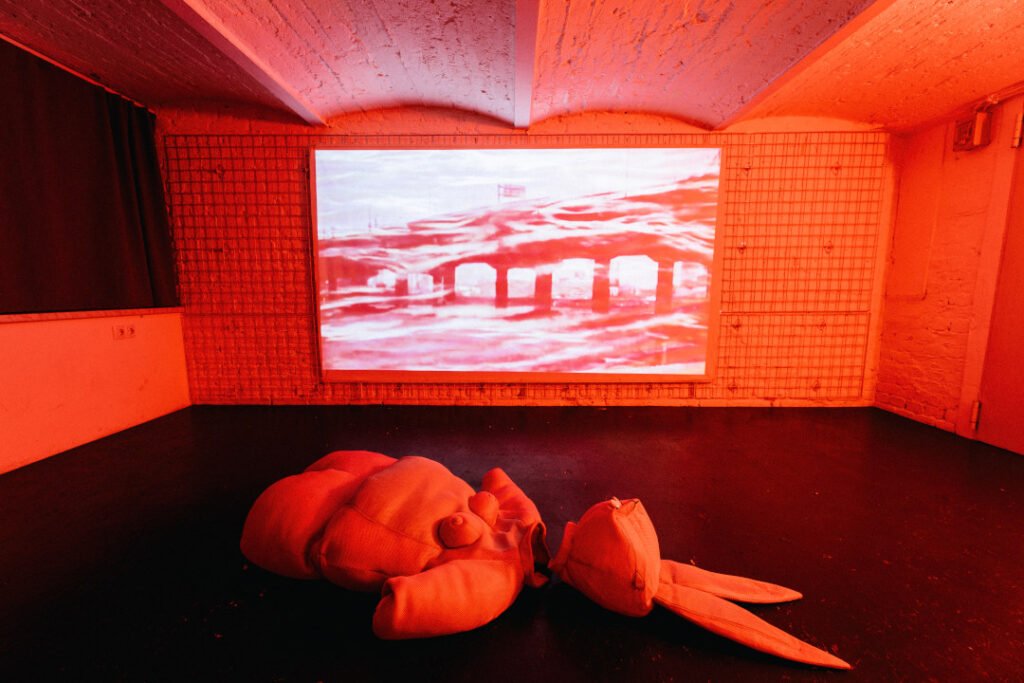
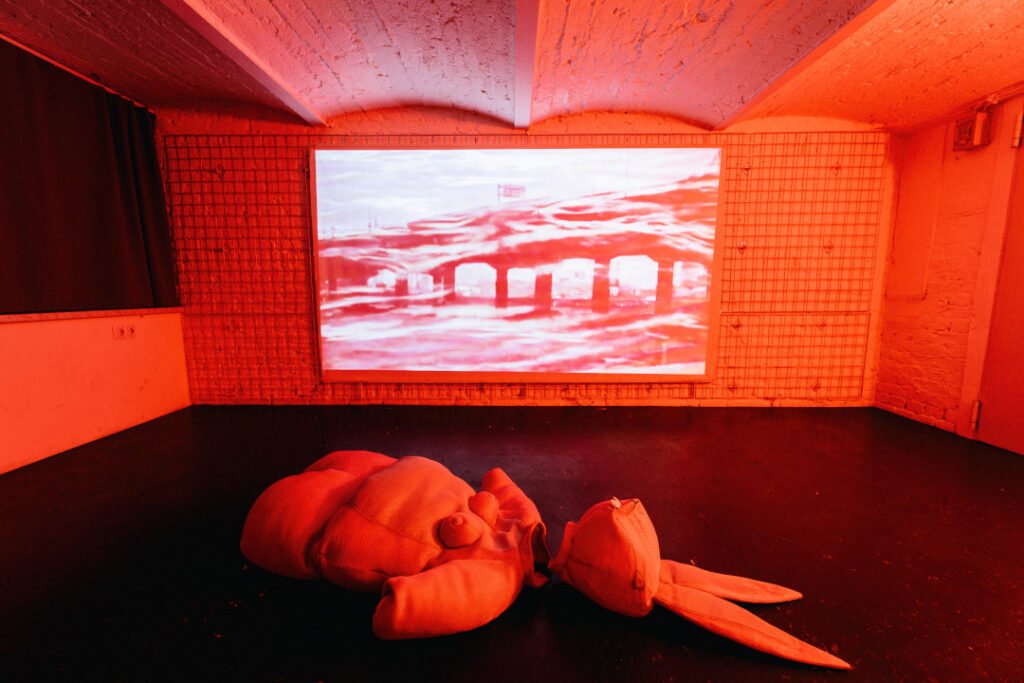
La narrativa de l’exposició s’articula al voltant del símbol del conill blanc d’Alícia al país de les meravelles, metàfora de la urgència permanent que impulsa el sistema de consum. A través d’instal·lacions, restes de performances i referències visuals pròximes al que és oníric i fantasmagòric, Rey i Maurí conviden el visitant a reflexionar sobre qüestions com l’obsolescència programada, el canvi climàtic, la sobreproducció de residus, la insatisfacció i la solitud. L’exposició planteja així una crítica al materialisme contemporani i reivindica una mirada més conscient sobre la nostra relació amb els objectes i l’entorn.
Resum del text d’Ayça Okay, comissària de l’exposició.
ENGLISH
Oh Dear! I Shall Be Too Late! is a collaborative project by Nathalie Rey and Enric Maurí that critically examines the contradictions of neoliberalism and its impact on society, consumption, and the environment. From an activist perspective, the two artists question how the promises of freedom and well-being often translate into dynamics of homogenisation, dependency and ecological degradation.
Enric Maurí constructs his installation using everyday objects collected from various urban spaces in Berlin. He removes these objects from their original context and transforms them into elements charged with political and social meaning. Gathered together as a kind of contemporary shrine, these materials reveal the relationship of dependency between people and objects, as well as the mechanisms of consumption, accumulation, and disposal that characterise our time. His work turns discarded and found objects into evidence of the tensions between the economy, ecology, and everyday life.
The exhibition narrative is structured around the symbol of the White Rabbit from Alice’s Adventures in Wonderland, a metaphor for the constant sense of urgency that drives the consumer system. Through installations, remnants of performances, and visual references that evoke the dreamlike and the ghostly, Rey and Maurí invite visitors to reflect on issues such as planned obsolescence, climate change, waste overproduction, dissatisfaction, and loneliness. In this way, the exhibition presents a critique of contemporary materialism while advocating a more conscious relationship with objects and the environment. Summary of the text by Ayça Okay, curator of the exhibition.