l’Artista Conspirador
(The Conspiring artist)
CATALÀ (English below)
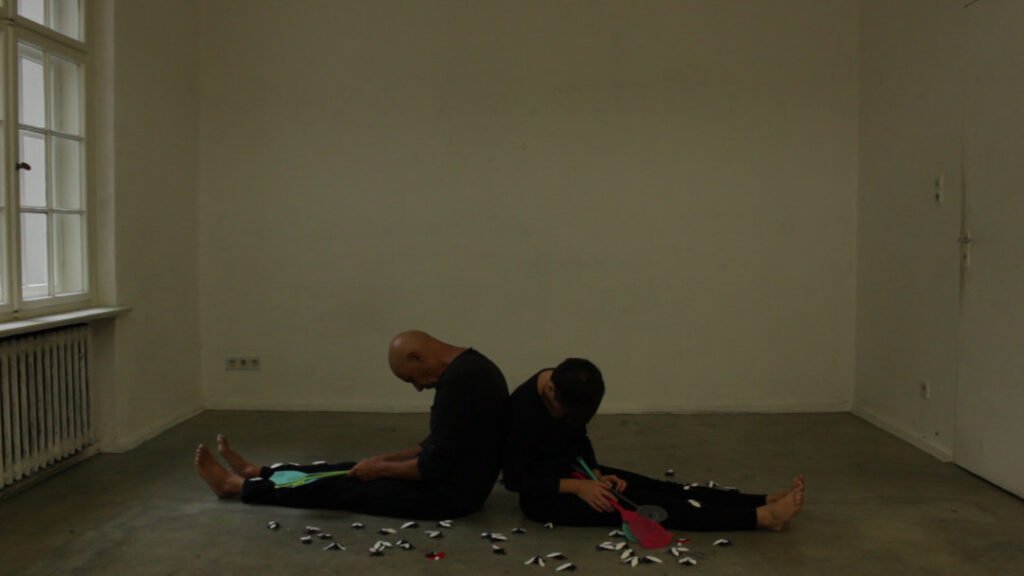
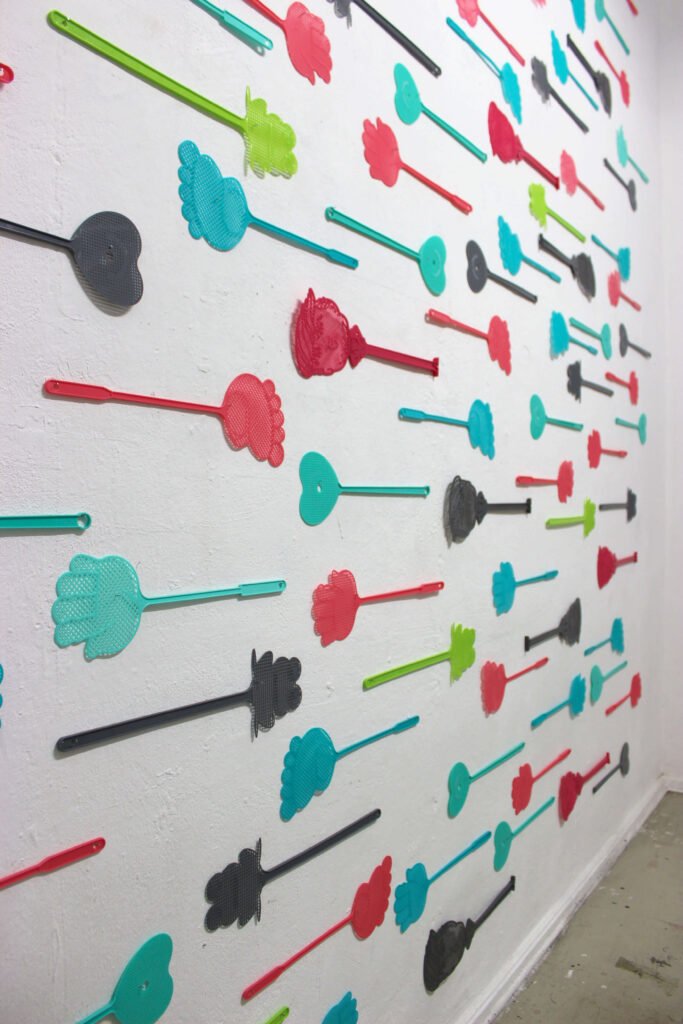
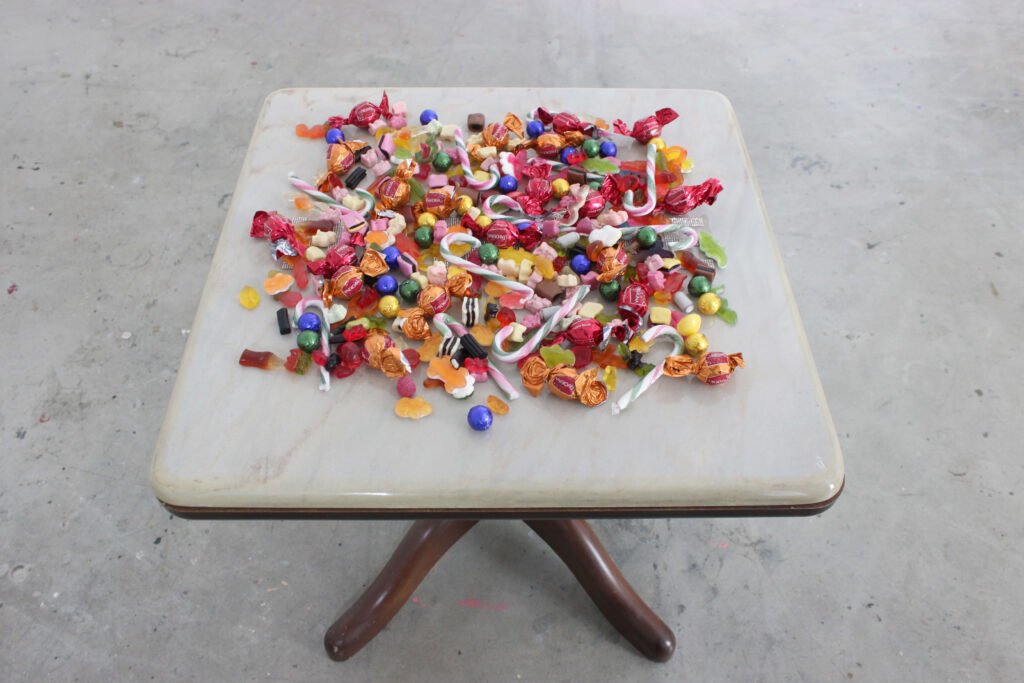
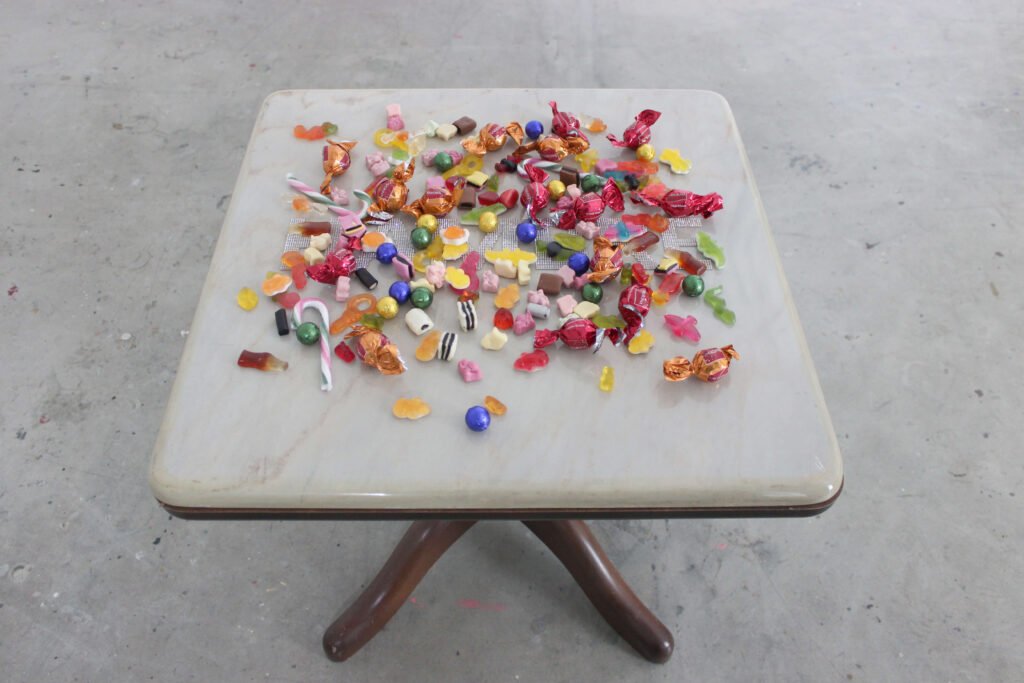
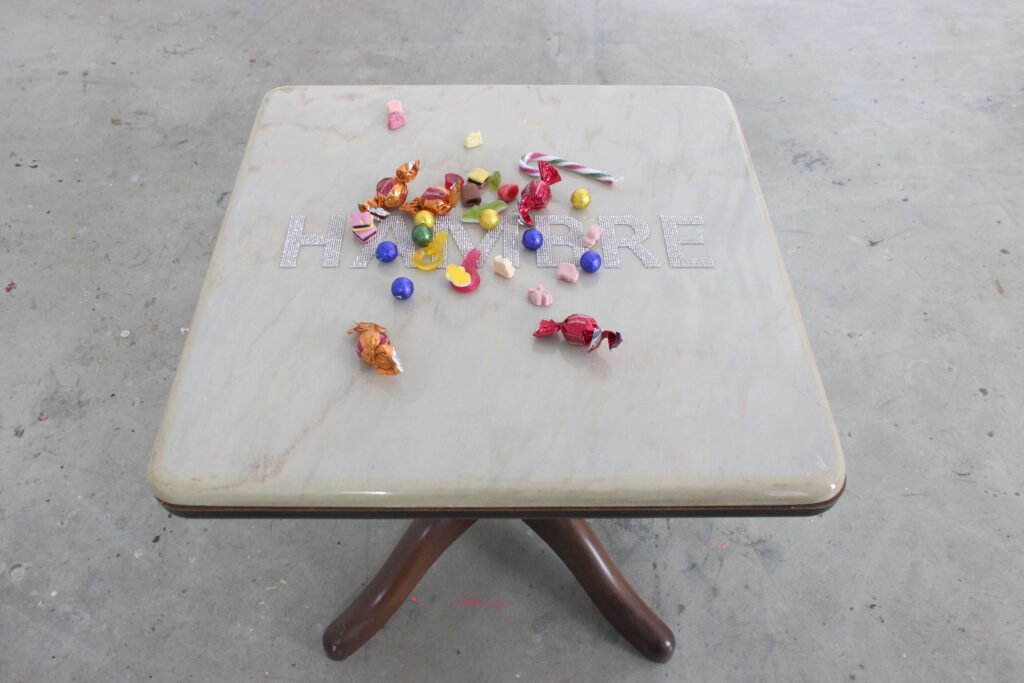
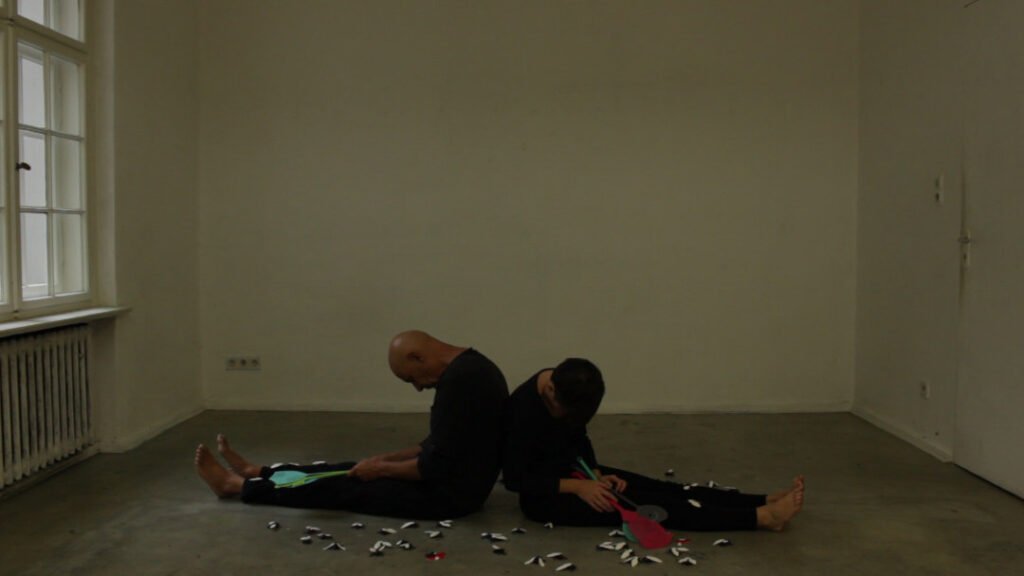
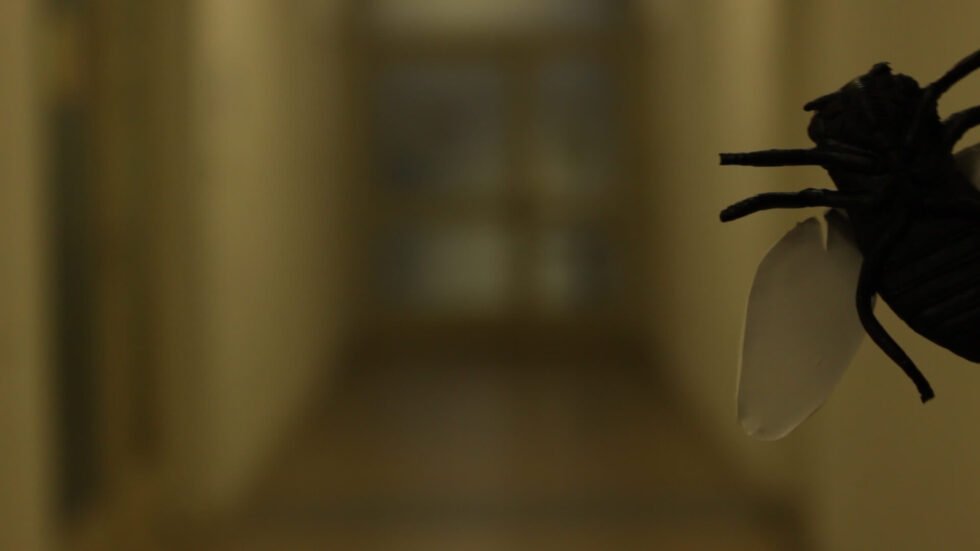
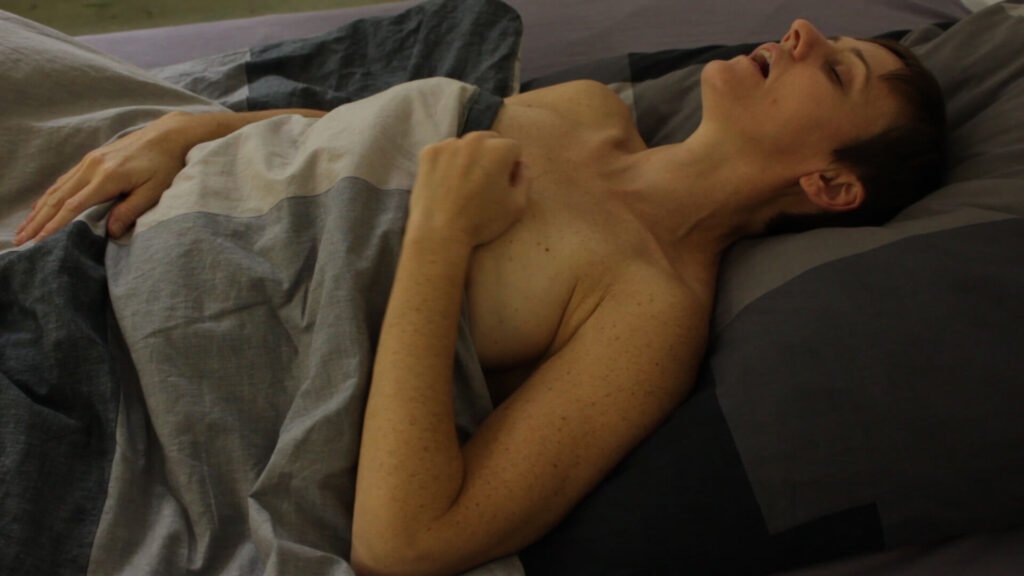
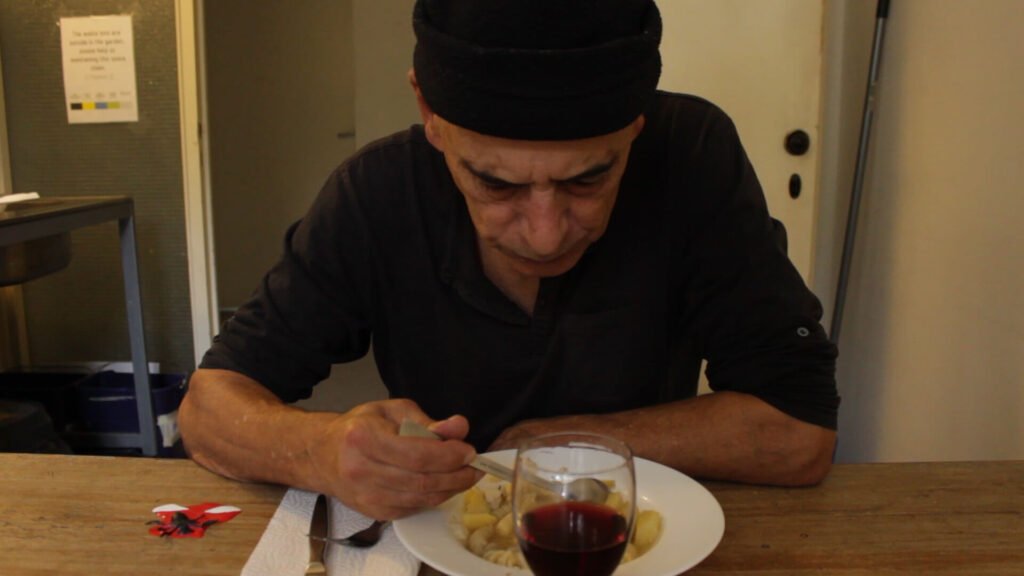
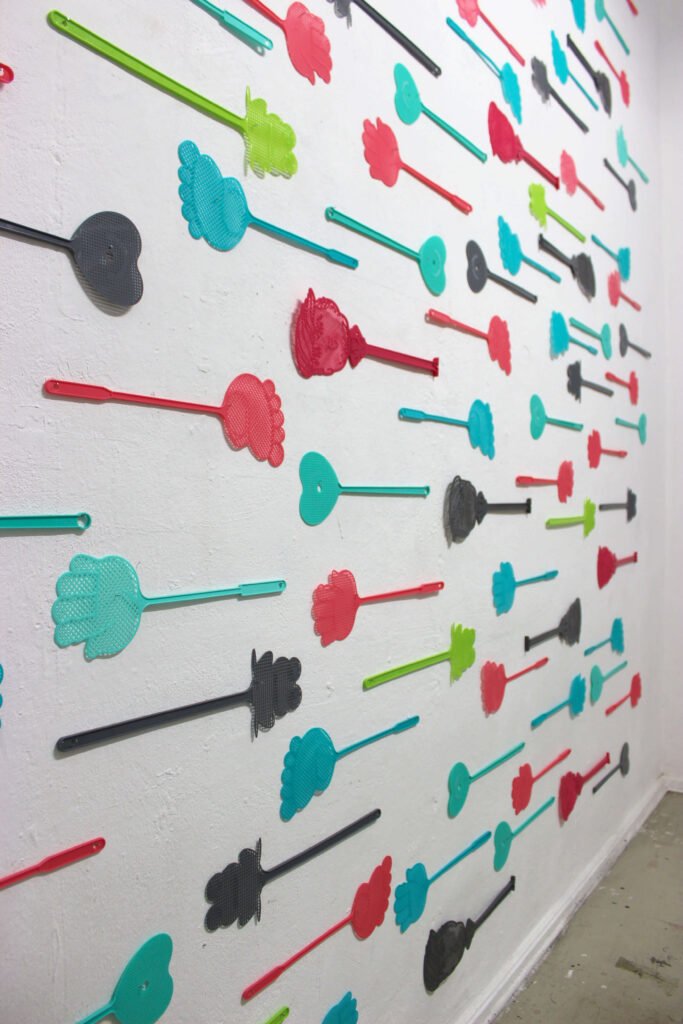
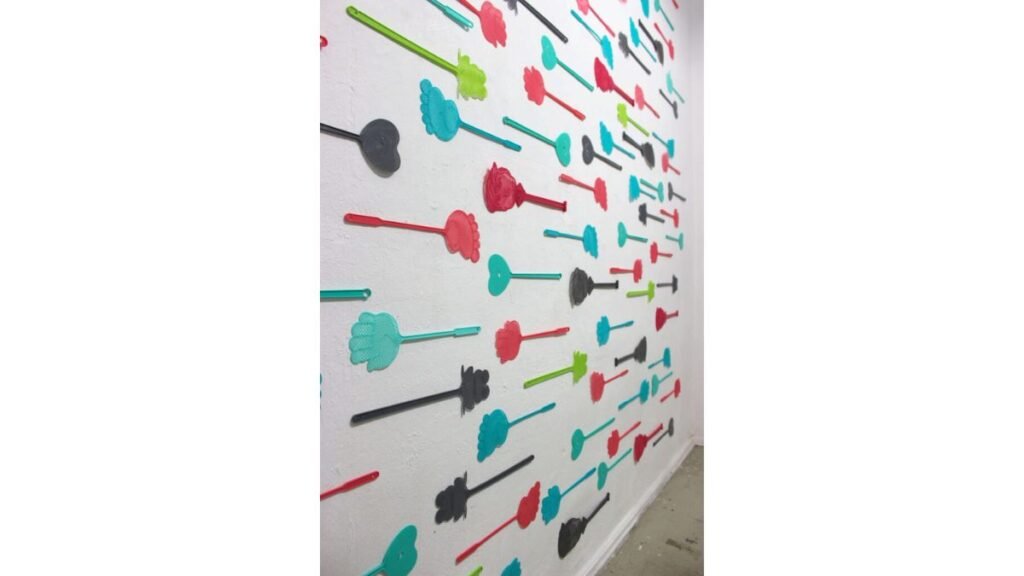
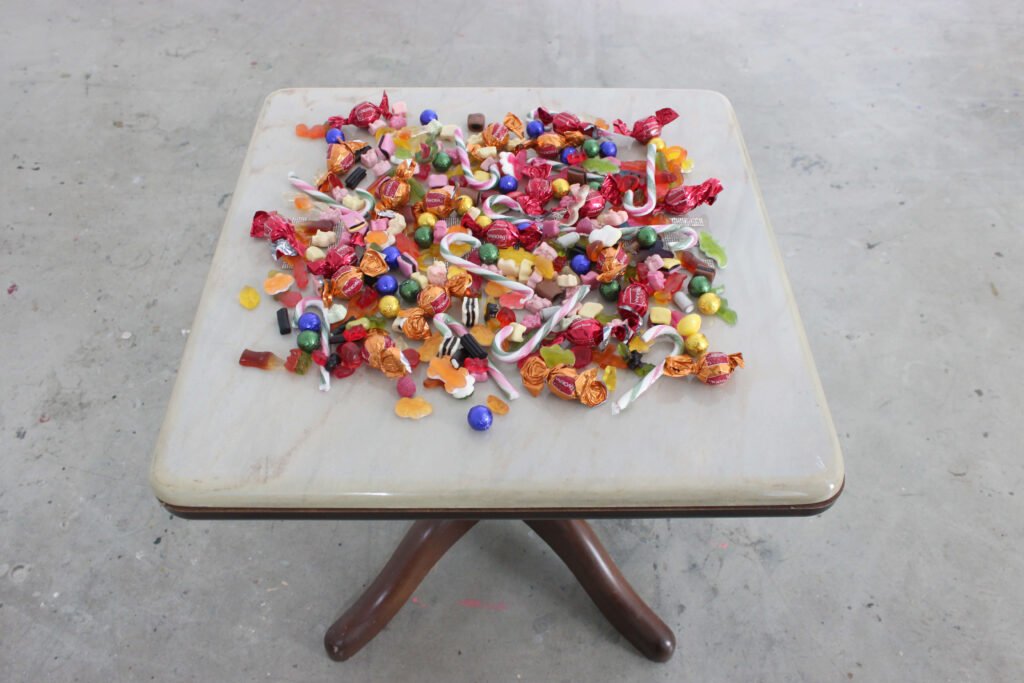
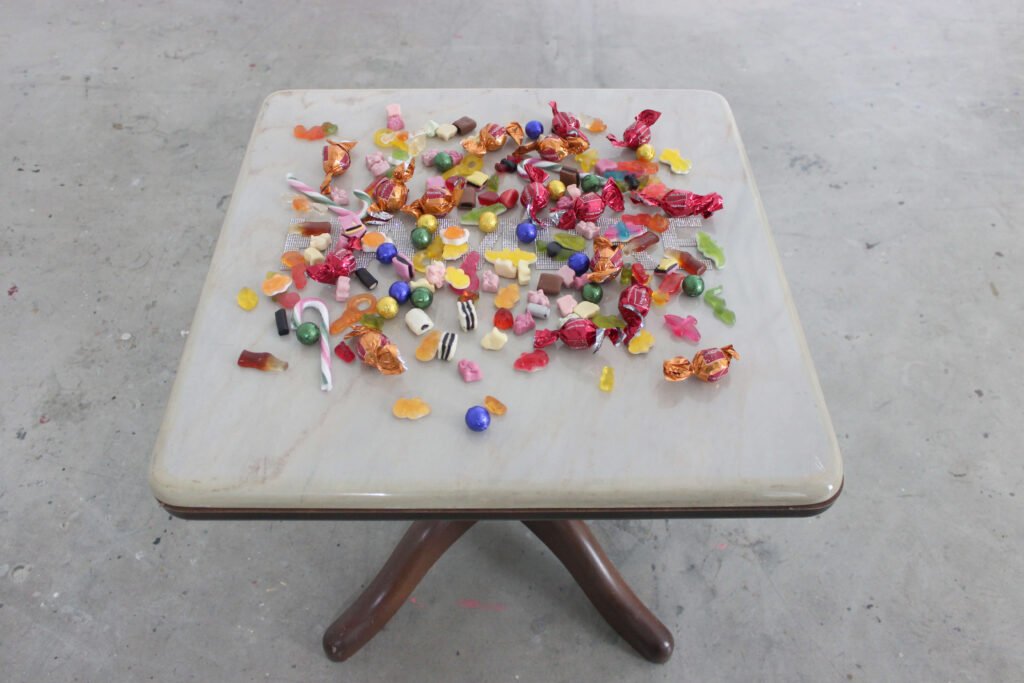
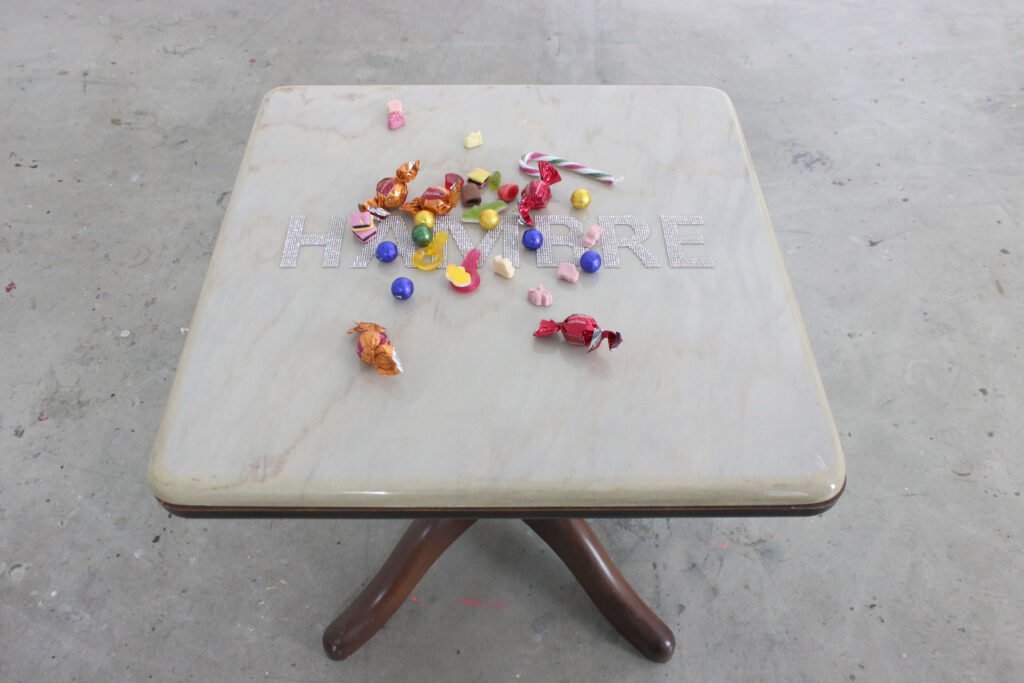
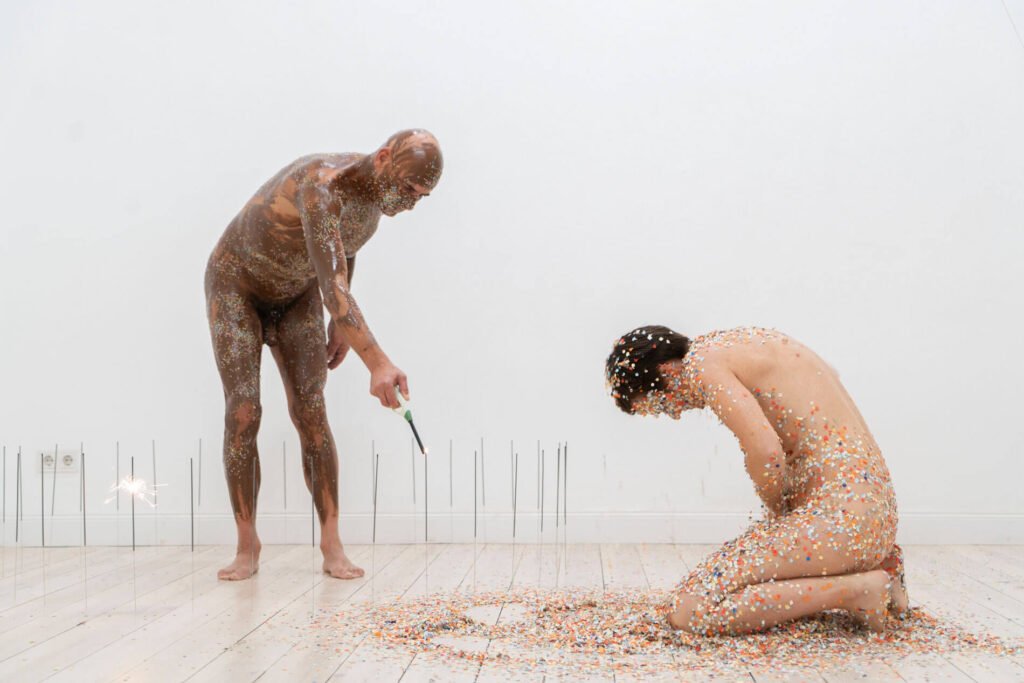
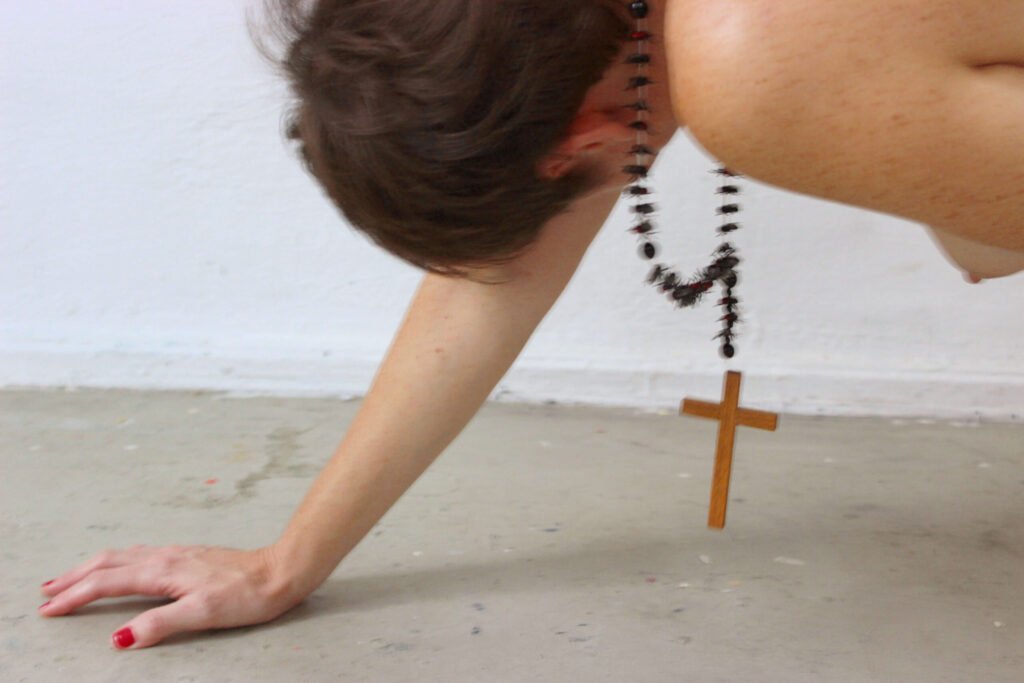
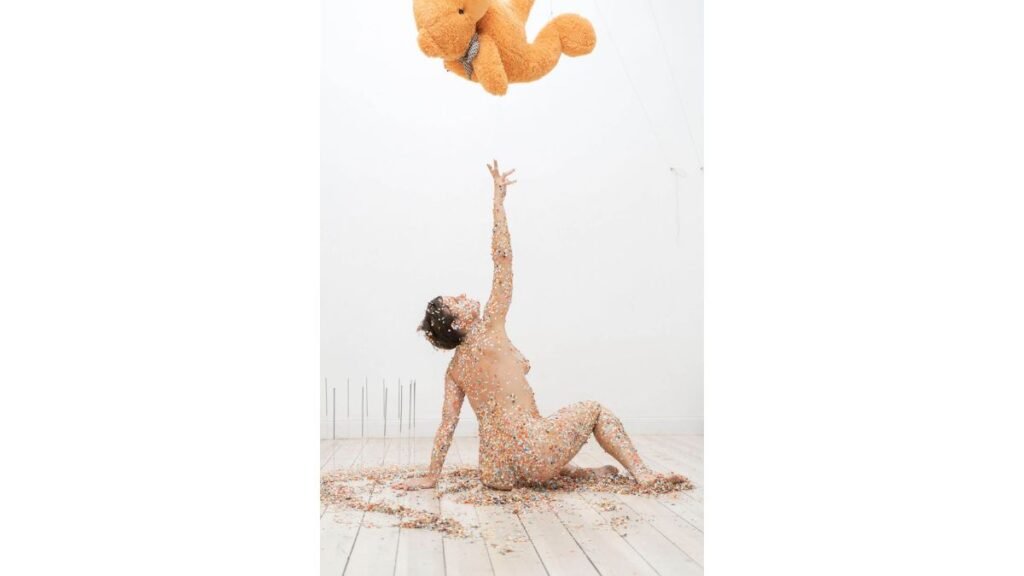
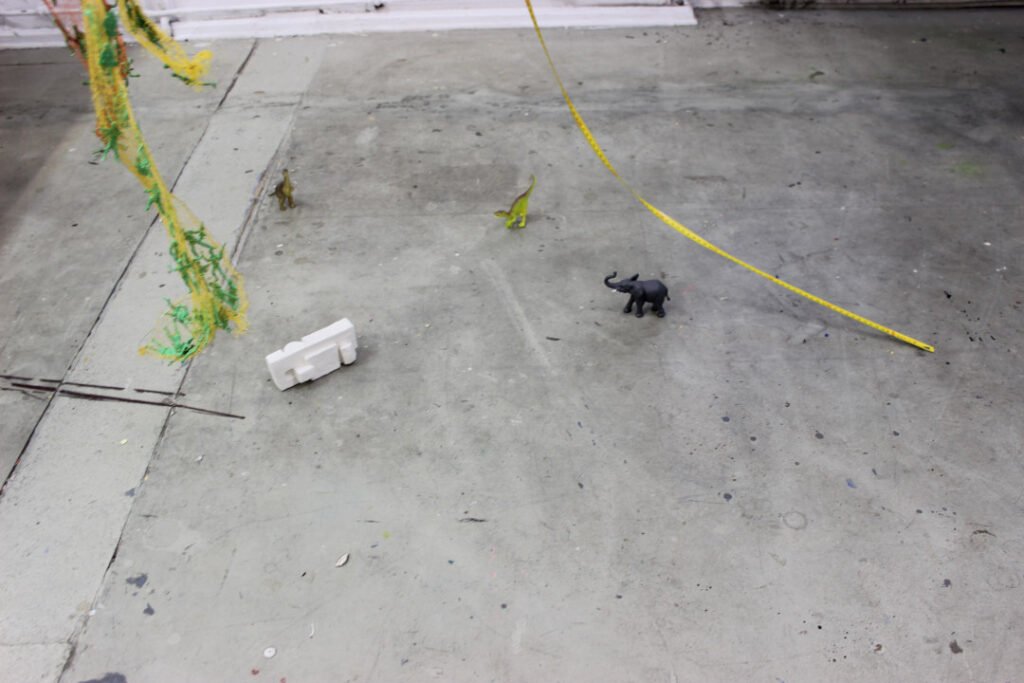
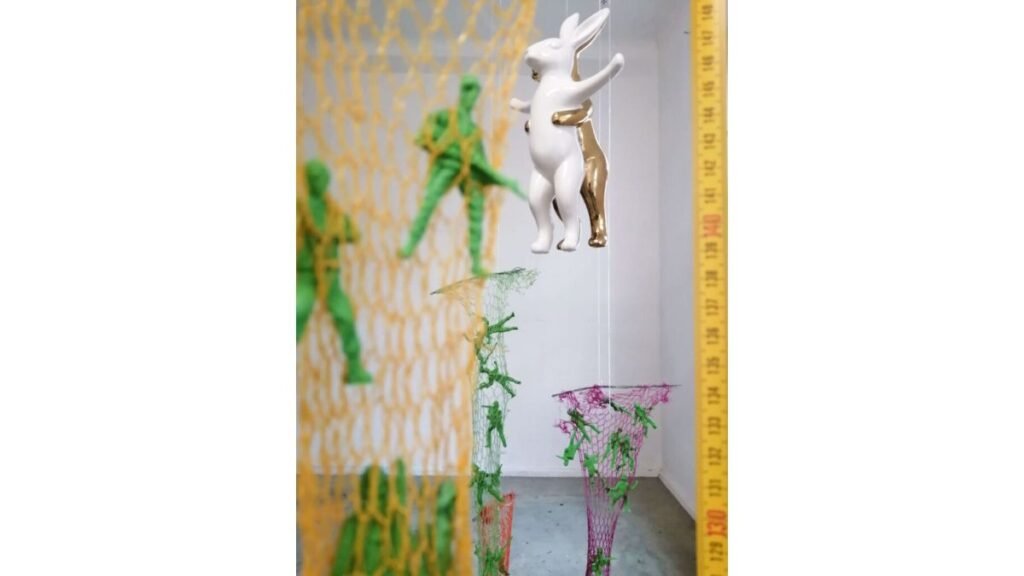
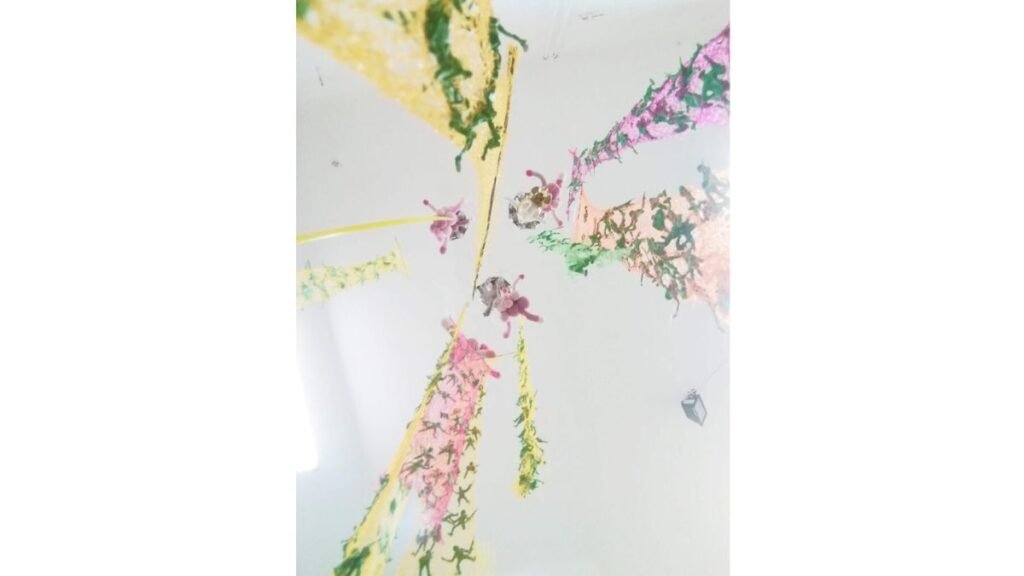
El projecte L’artista conspirador. Una reinterpretació sarcàstica dels episodis de censura en l’art neix de la investigació realitzada pels artistes Nathalie Rei i Enric Maurí en l’àmbit de la censura en l’art, que s’entén com una restricció, ja sigui arbitrària o doctrinal, de la llibertat d’expressió. Des d’un enfocament històric, inclou obres que avui podrien enfrontar-se a la censura per la seva forma o contingut, com també el fenomen del silenciament de la creativitat de les dones.
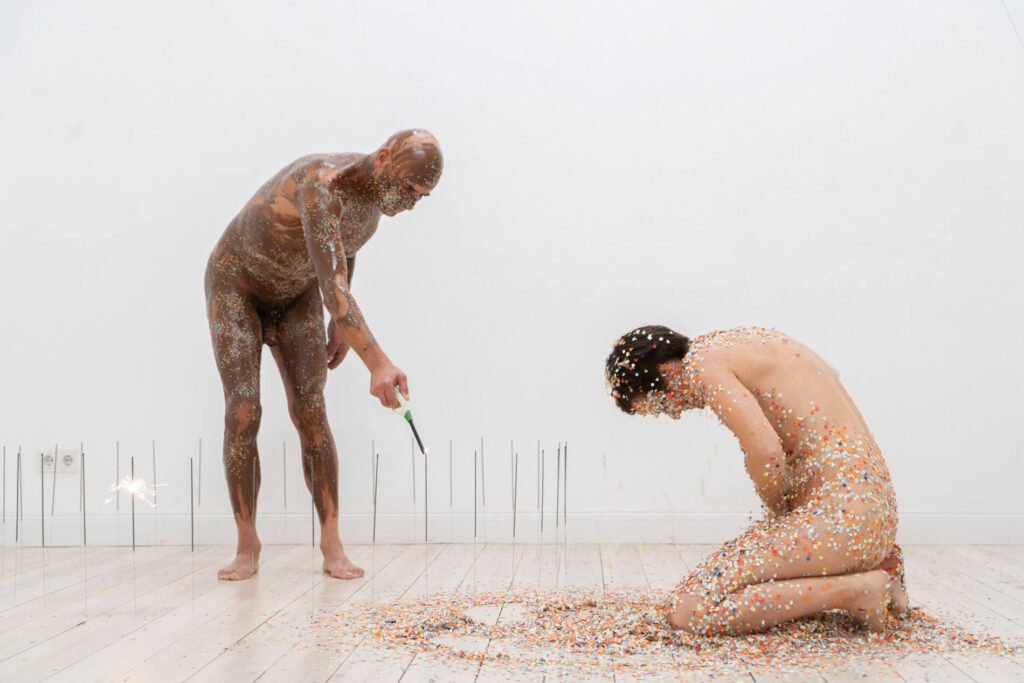
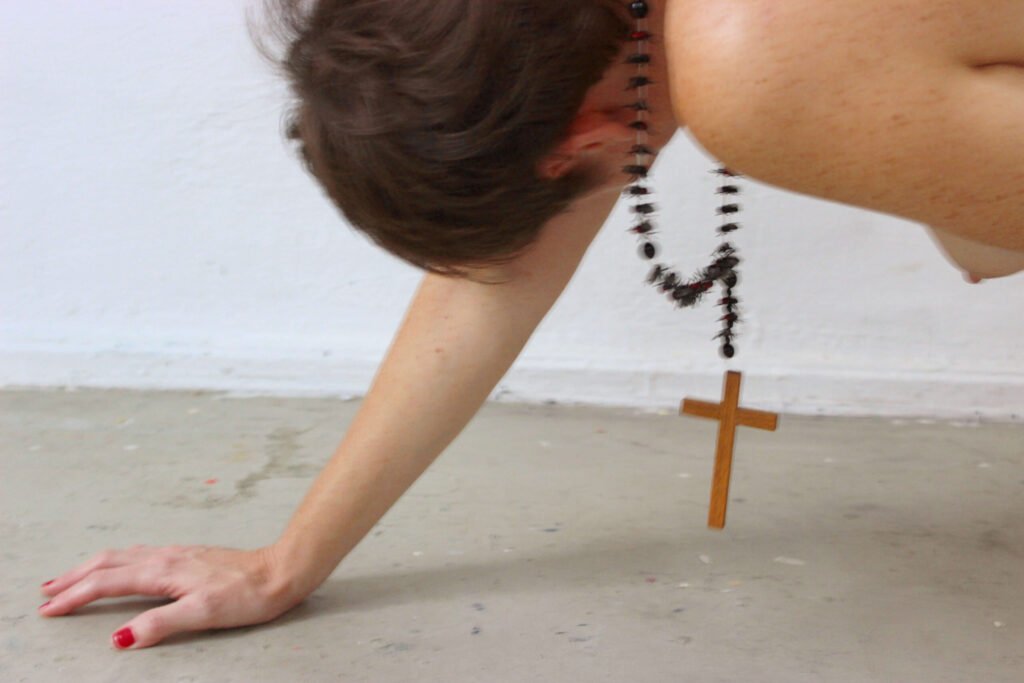
Després d’examinar actes de censura en la història de l’art i la seva evolució en diversos contextos, es desenvolupen obres de performance, pintura, escultura, objectes, entre altres, que provoquen el pensament simbòlic i parodien treballs que han sigut —o podrien haver sigut— censurats mitjançant la creació de metadiscursos, establint una conversa entre els llenguatges i contextos del passat i del present.
El projecte medita sobre el paper subversiu de l’artista, qui sovint ha sigut vist com un element sospitós i conspirador que desafia la moral i el bon gust. Al mateix temps, revela com moltes d’aquestes obres prohibides han, en realitat, contribuït a formar una veu crítica enfront mentalitats obscenes, classistes, racistes o masclistes, que s’han escudat en la moral i la decència per a imposar una visió restrictiva, intolerant i coercitiva.
En resum, el projecte reflexiona sobre els límits del que pot expressar-se o representar-se i subratlla la funció de l’art en la defensa de la llibertat d’expressió com una eina desestabilitzadora que empeny la societat a qüestionar els seus propis límits morals.
ENGLISH
L’artista conspirador. Una reinterpretació sarcàstica dels episodis de censura en l’art (The conspiring artist. A sarcastic reinterpretation of episodes of censorship in art) is a project that emerged from research conducted by the artists Nathalie Rey and Enric Maurí into censorship in art, understood as the restriction of freedom of expression, whether arbitrary or doctrinal. From a historical perspective, the project includes works that today could face censorship because of their form or content, as well as addressing the silencing of women’s creativity.
After examining acts of censorship throughout the history of art and their evolution across different contexts, the artists developed works in performance, painting, sculpture, and object-based practice, among other media, that stimulate symbolic thinking and parody works that have been -or might have been- subject to censorship through the creation of metadiscourses, establishing a dialogue between the languages and contexts of the past and the present.
The project reflects on the artist’s subversive role, as artists have often been regarded as suspicious, conspiratorial figures who challenge morality and good taste. At the same time, it reveals how many of these prohibited works have in fact contributed to shaping a critical voice against obscene, classist, racist, or sexist attitudes that have hidden behind notions of morality and decency in order to impose a restrictive, intolerant and coercive worldview. In summary, the project reflects on the limits of what may be expressed or represented and underscores the role of art in defending freedom of expression as a destabilising force that encourages society to question its own moral boundaries.