Peau de Vache
CATALÀ (English below)
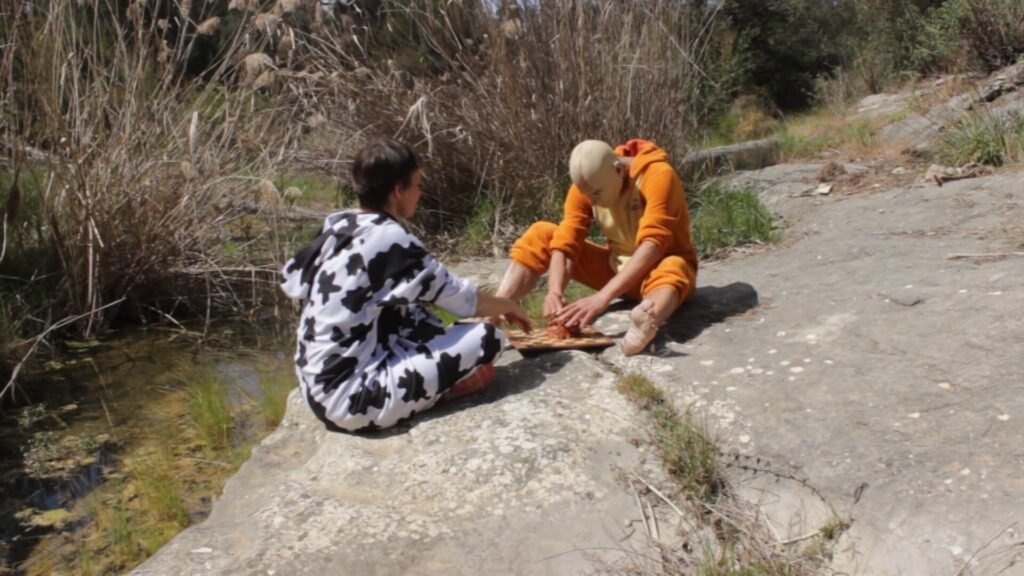
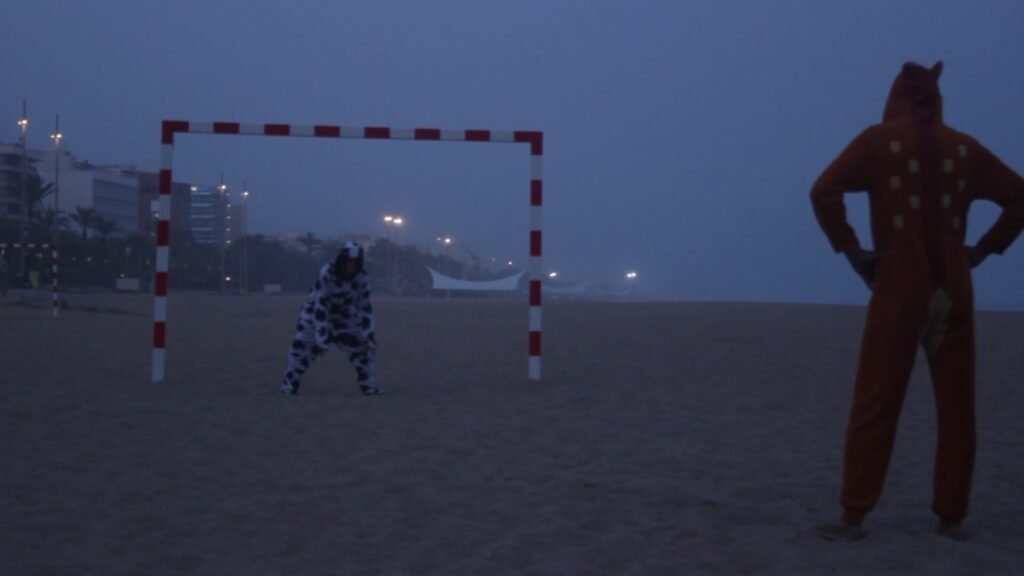
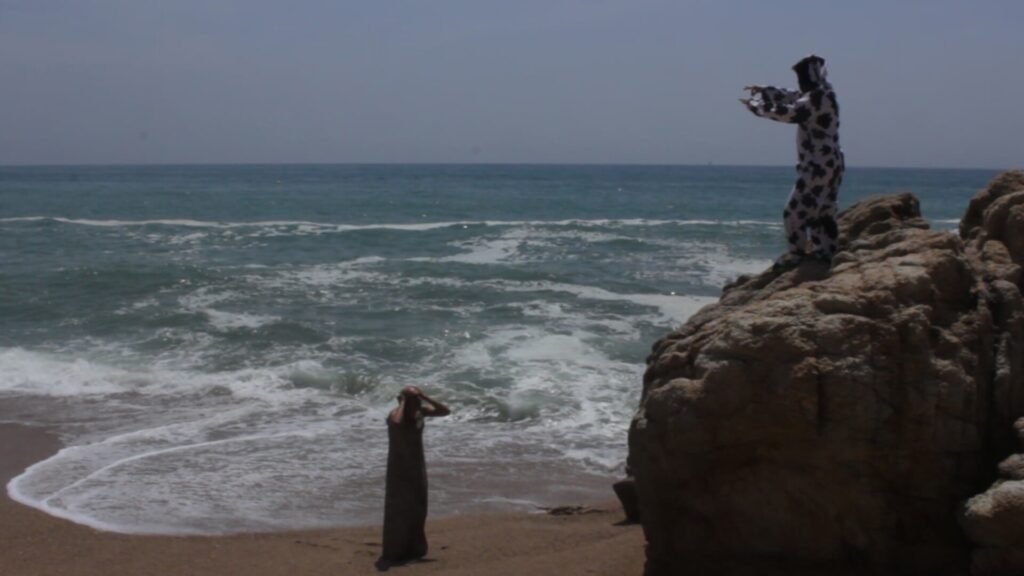
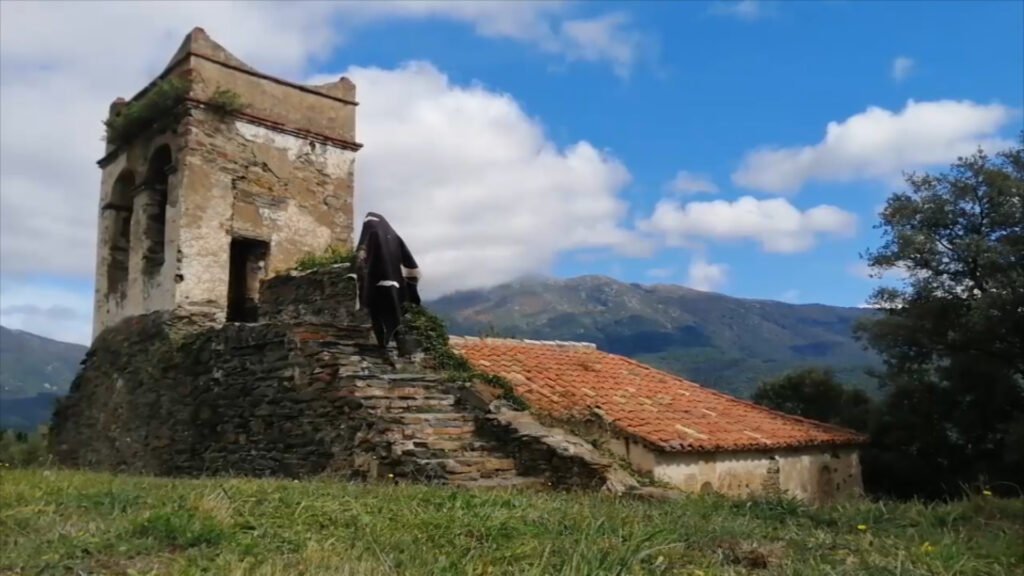
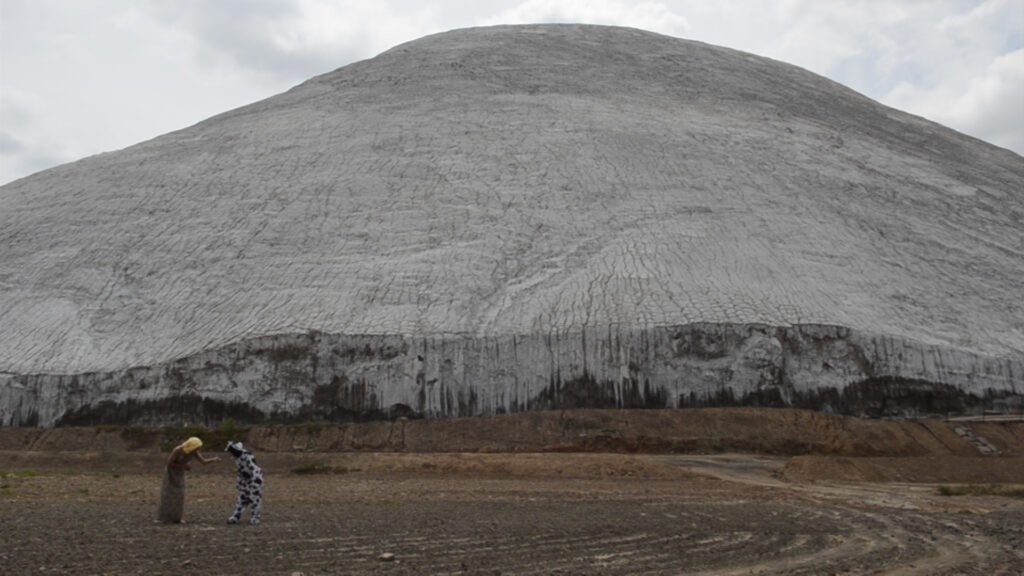
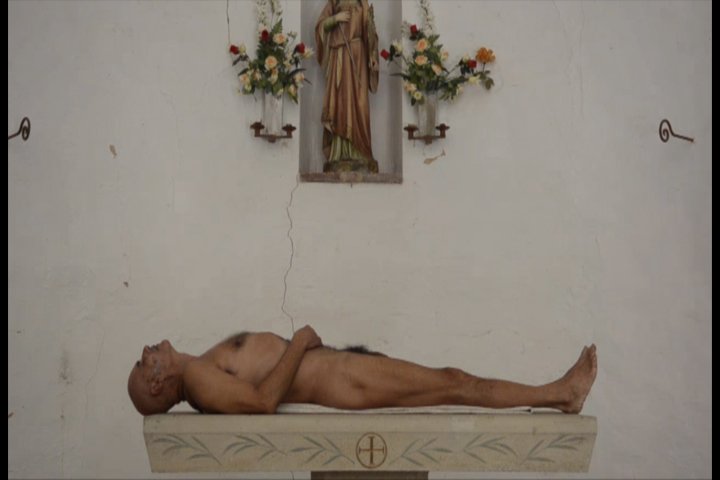
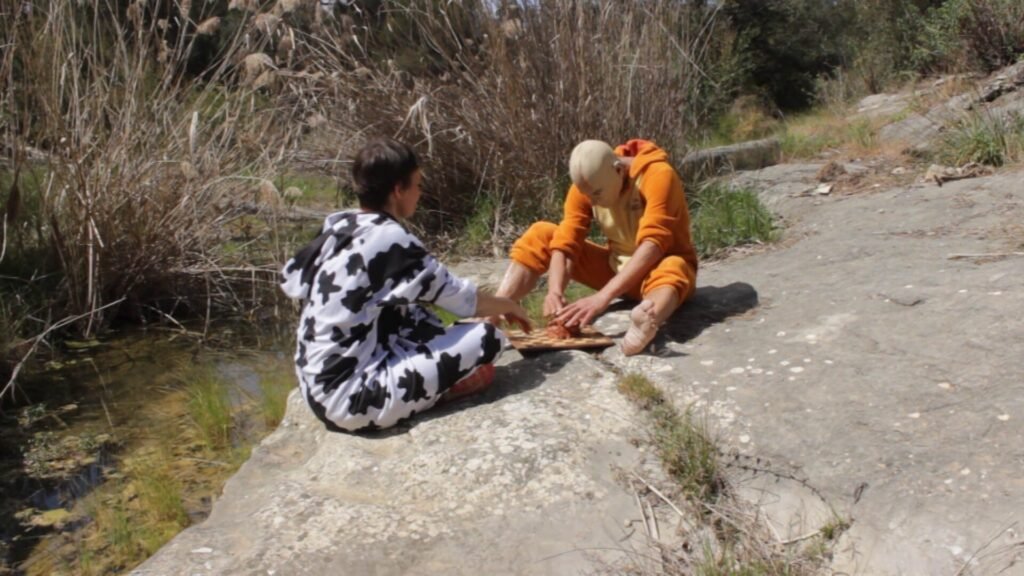
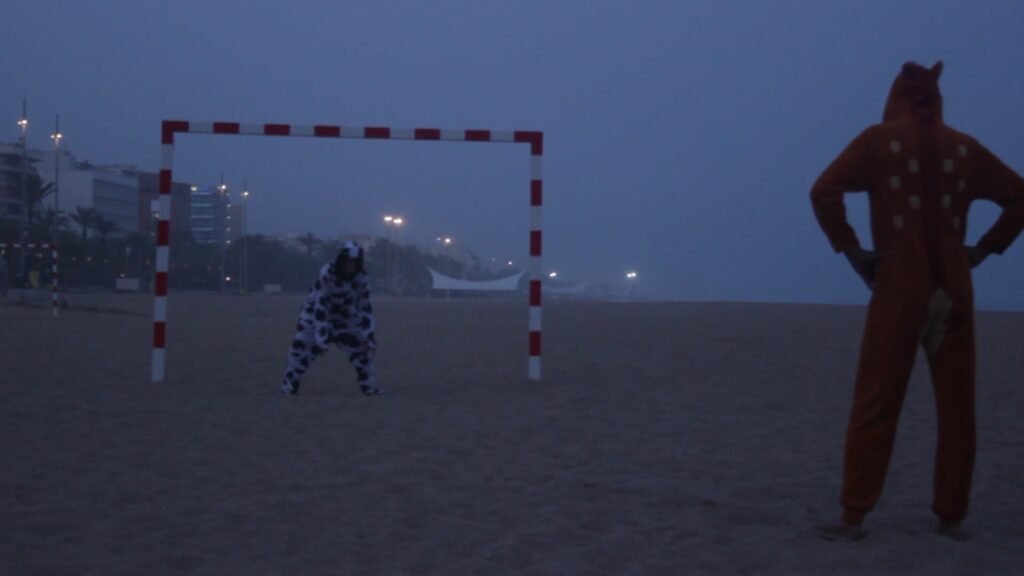
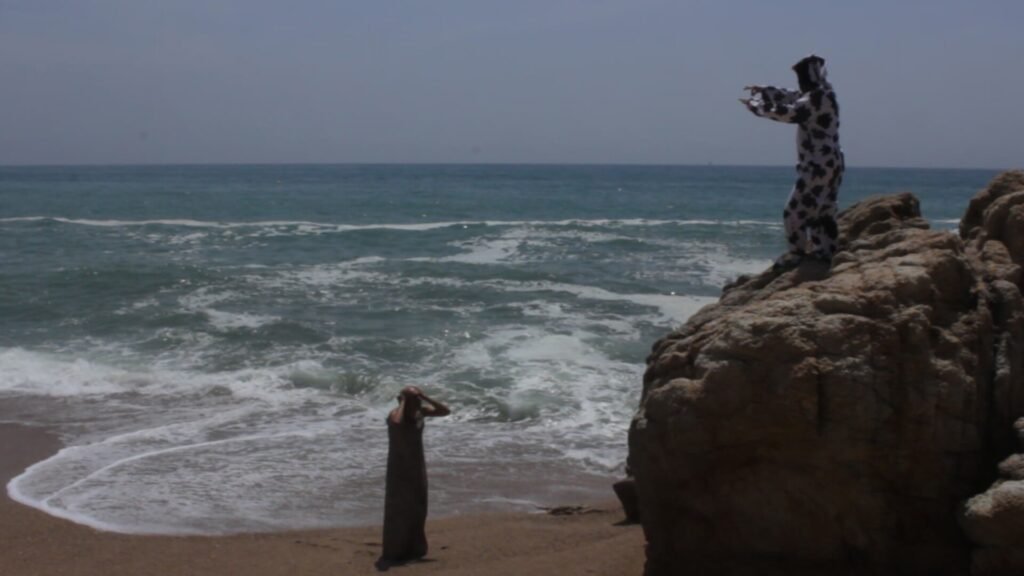
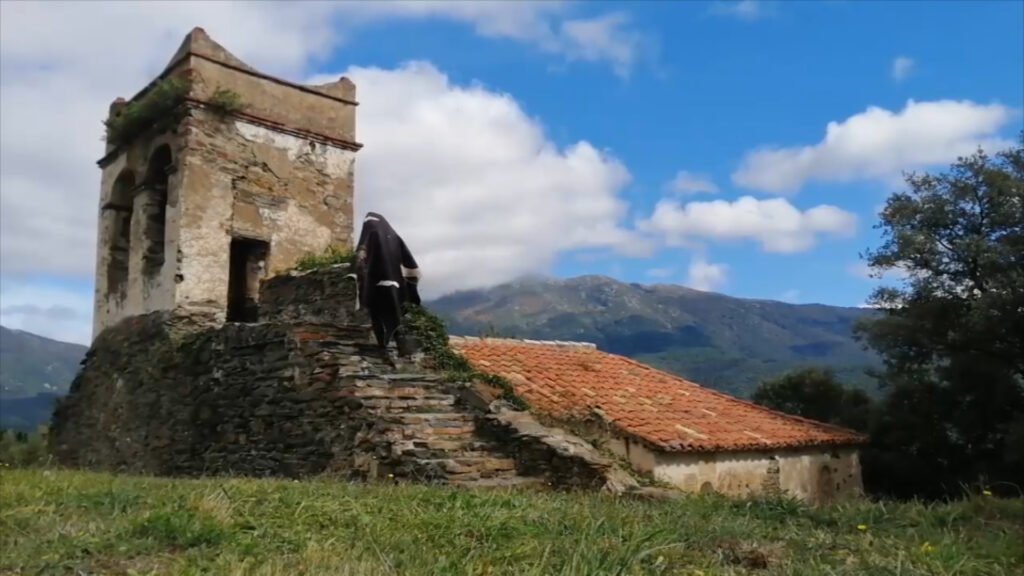
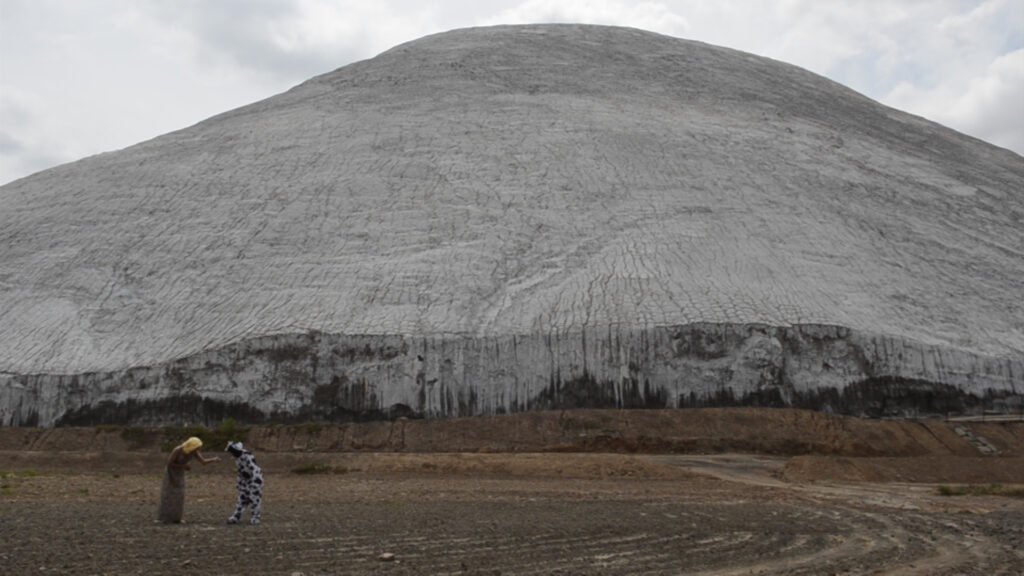
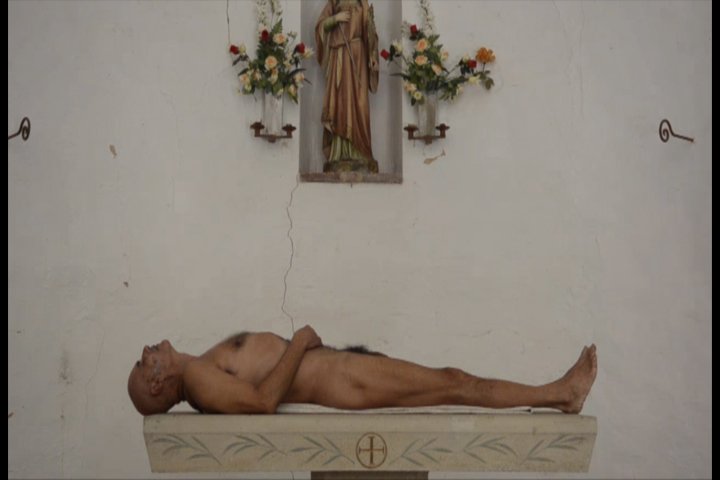
Pell de vaca és un projecte cinematogràfic i instal·latiu en curs de Nathalie Rey i Enric Maurí. Es desplega entre l’autobiografia, el mite i el realisme poètic. Concebut com un llargmetratge i ampliat en forma d’instal·lació, el projecte explora les fronteres poroses entre allò real i allò màgic, allò íntim i allò universal.
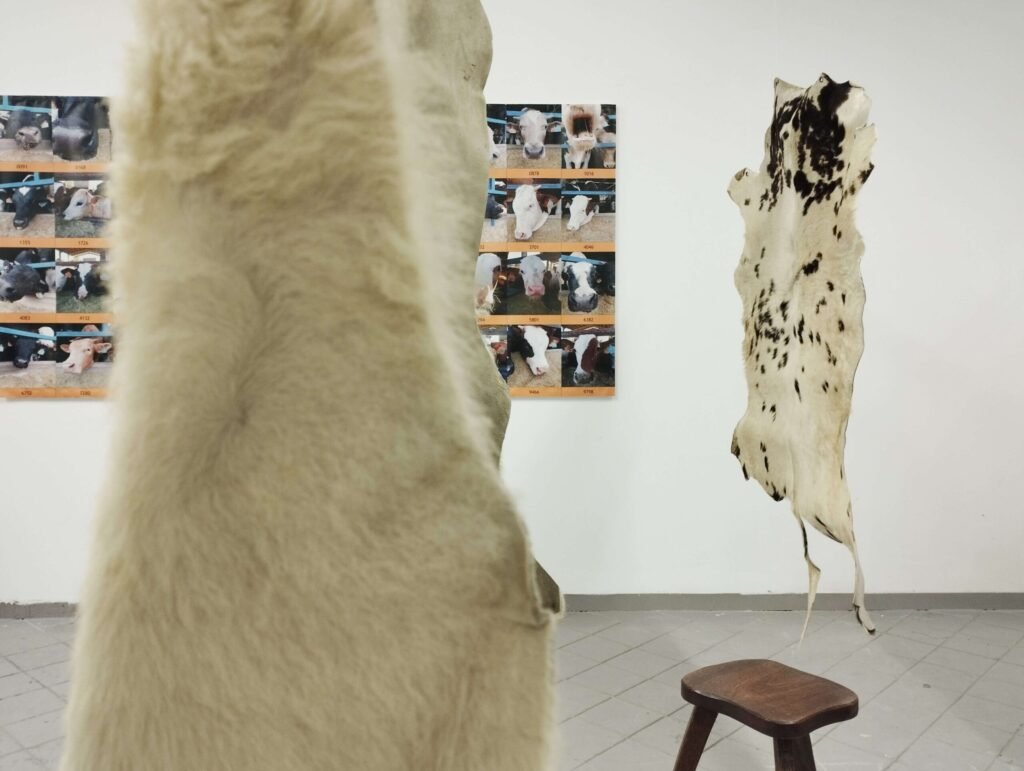
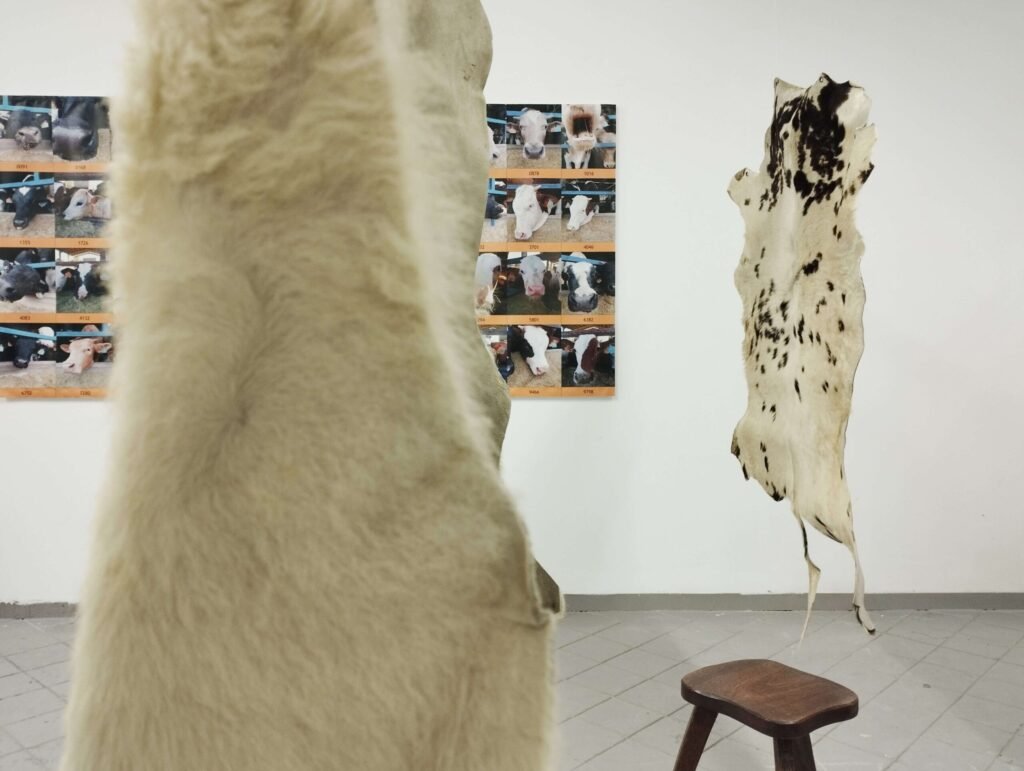
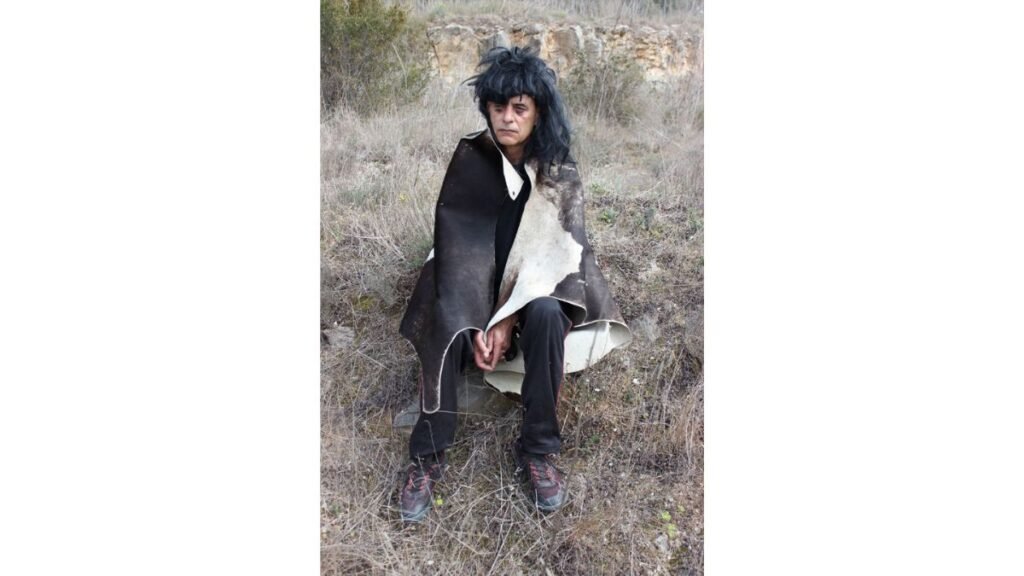
Arrelada en els records personals i els vincles familiars, la narració sorgeix de les experiències entrellaçades dels artistes: la infantesa de Nathalie a l’illa de la seva àvia, al nord de França, i les primeres experiències d’Enric amb la vida rural i l’acte de munyir vaques. El títol i motiu central del film fan referència a tres pells de vaca que Nathalie va heretar de la seva àvia arran de la venda de la casa familiar —relíquies que conserven les traces de la cura, el treball i l’herència.
Inspirant-se en El setè segell (Ingmar Bergman, 1957), Pell d’ase (Jacques Demy, 1970) i The Demon’s Brain (Agnieszka Polska, 2018), Pell de vaca situa allò místic i allò quotidià en un mateix pla. El projecte contempla el pas de la ciutat a la natura, de la vida a la mort, de l’humà a l’animal, en un llenguatge en què la faula i l’autobiografia es reflecteixen mútuament.
El projecte adopta allò que podríem anomenar una pràctica refractiva —el cinema com a mitjà per pensar el món, més que no pas per reflectir-lo. Aquest enfocament reformula la subjectivitat com una recerca poètica, un inventari viu de percepcions cinematogràfiques. En aquest marc, el «jo» esdevé alhora narrador i mitjà, un enunciador encarnat que construeix la seva pròpia faula.
ENGLISH
Peau de vache is an ongoing film and installation project by Nathalie Rey and Enric Maurí. It unfolds between autobiography, myth, and poetic realism. Conceived as a feature-length film and expanded into an installation, the project navigates the porous boundaries between the real and the magical, the intimate and the universal.
Rooted in personal memories and family ties, the narrative emerges from the artists’ intertwined experiences: Nathalie’s childhood on her grandmother’s island in northern France, and Enric’s early encounters with rural life and the act of milking cows. The film’s title and central motif refer to three cowhides inherited by Nathalie from her grandmother upon the sale of her family home — relics that carry traces of care, labor, and inheritance.
Drawing inspiration from The Seventh Seal (Ingmar Bergman, 1957), Peau d’Âne (Jacques Demy, 1970), and The Demon’s Brain (Agnieszka Polska, 2018), Peau de vache situates the mystical and the mundane on the same plane. It contemplates the passage from the city to nature, life to death, human to animal, in a language where fable and autobiography mirror one another.
The project embraces what might be called a refractive practice — cinema as a means to think through the world, rather than reflect it. This approach reframes subjectivity as a poetic inquiry, a living inventory of cinematic perceptions. Within this framework, the “self” becomes both the narrator and the medium, an embodied enunciator constructing its own fable.