La Gran Festa
(The Big Party)
CATALÀ (English below)
La Gran Festa parteix de com ens afecta la situació socioeconòmica actual. És el resultat d’una reflexió oberta, horitzontal i participada, a partir de l’acceleració i desacceleració dels ritmes de l’economia des de finals del segle XX que abasta tots els àmbits: laboral, relacions socials, culturals… S’inicia el 2010, amb una crida a través de les xarxes socials per trobar persones que vulguin contribuir explicant com els ha afectat la crisi i la seva opinió sobre el fenomen.
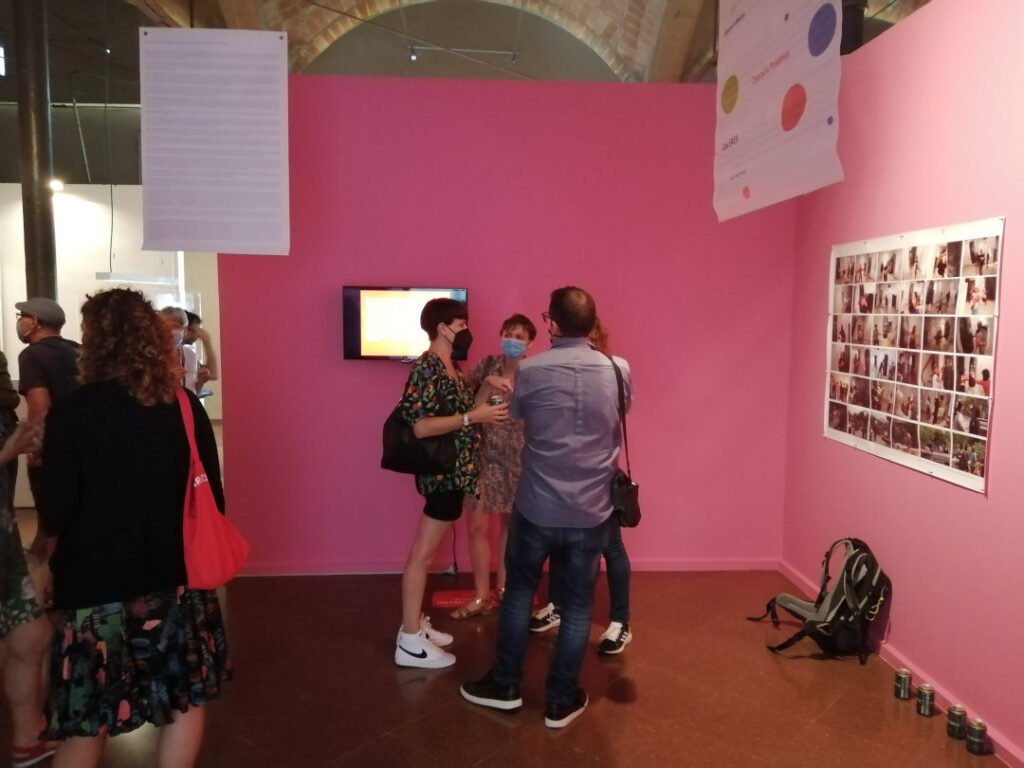
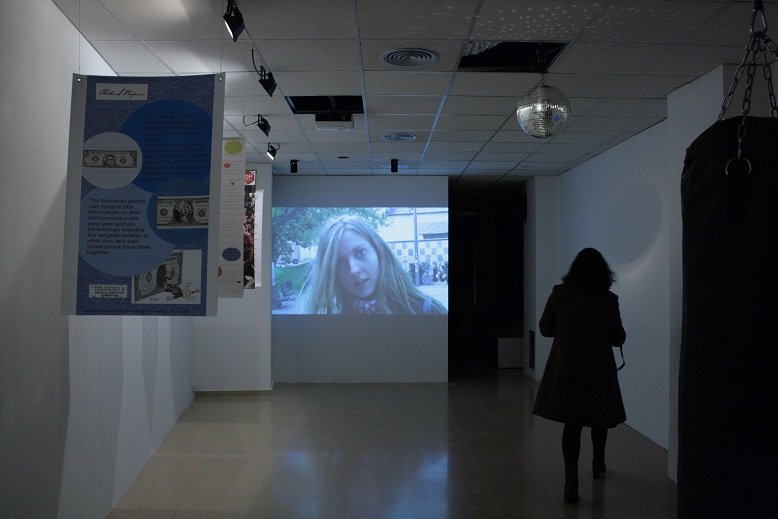
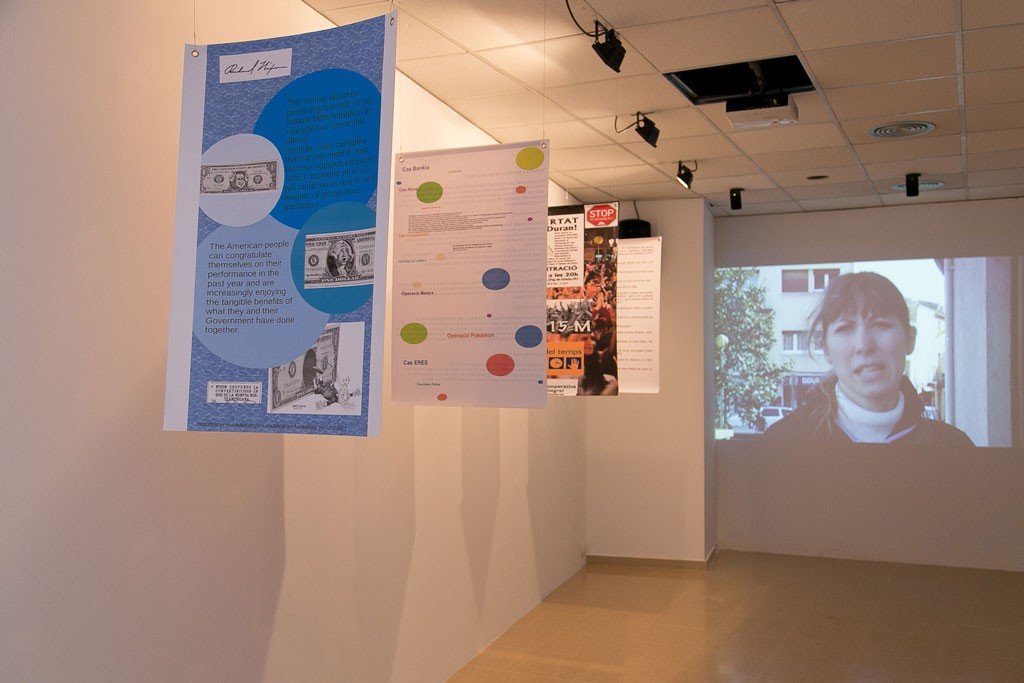
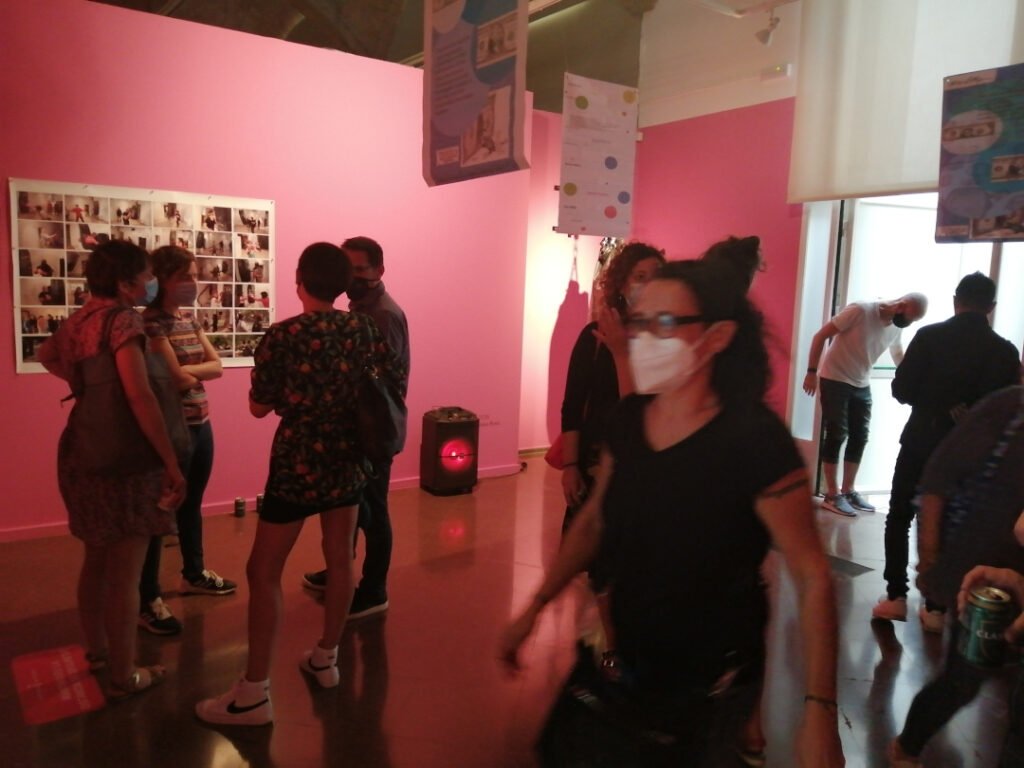
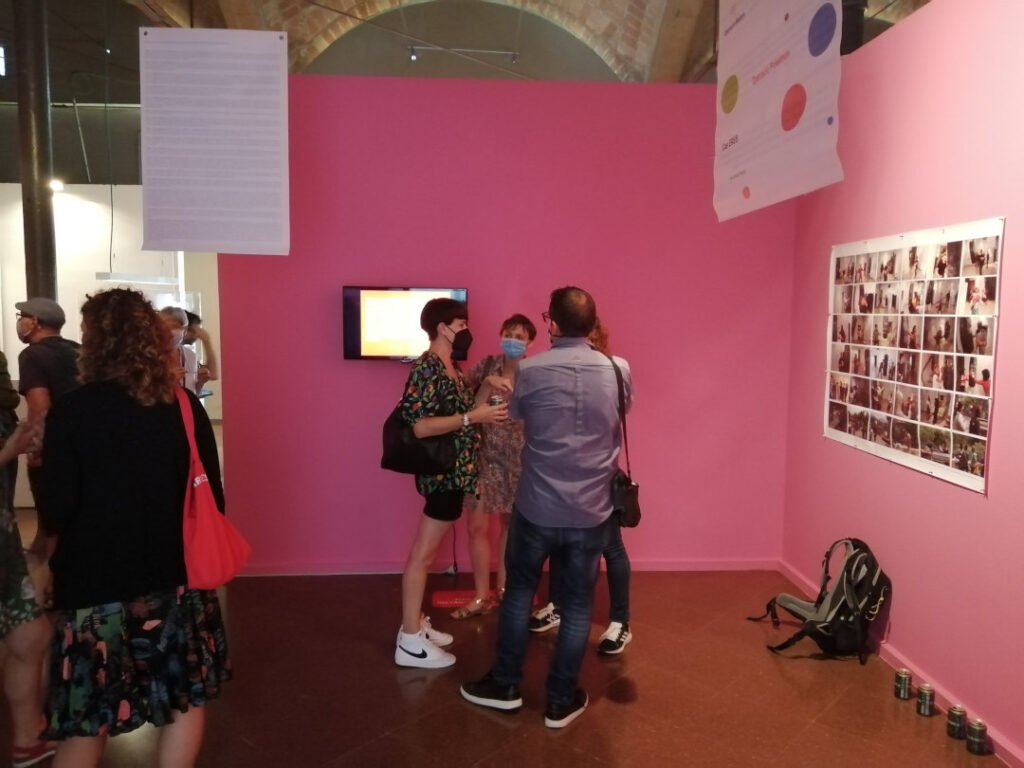
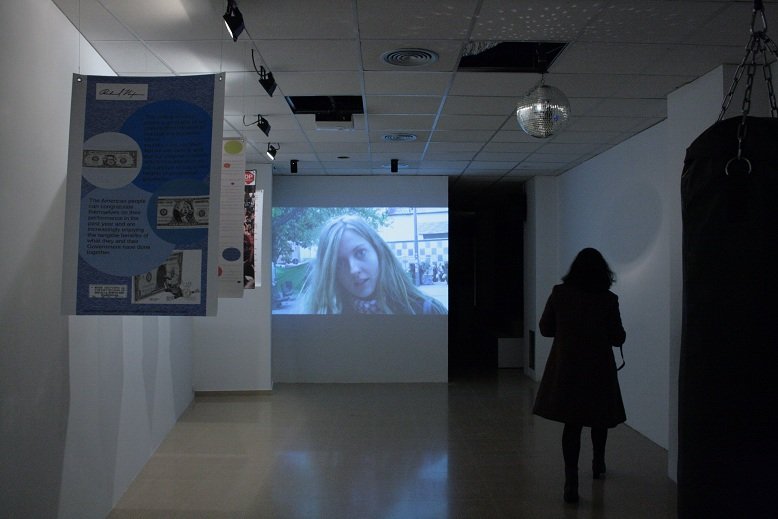
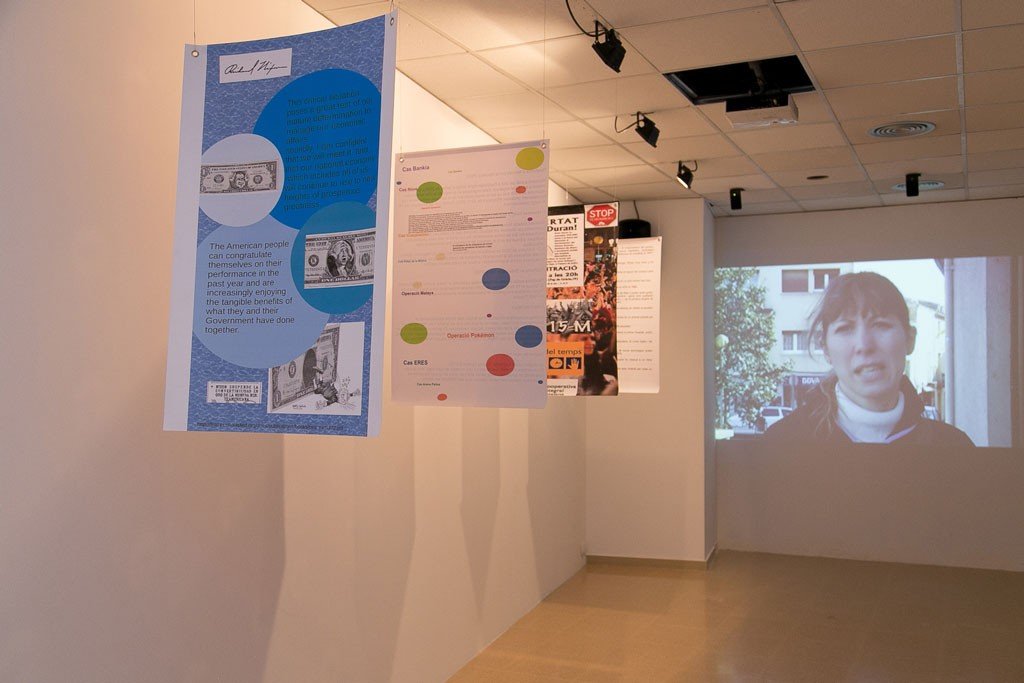
El projecte vol involucrar la gent en el procés, però també explora com es va generar la crisi i com es va narrar. A través d’una recerca a través dels mitjans de comunicació, s’incorpora l’estat d’eufòria econòmica prèvi al 2010. En unes banderoles, hi ha informació sobre operacions financeres i econòmiques que en molts casos eren d’una especulació extrema i que han posat entre les cordes l’economia mundial. La situació actual certifica de manera abrupta com els comportaments inversors abusius i especulatius han portat a una crisi no solament econòmica sinó de valors i de confiança.
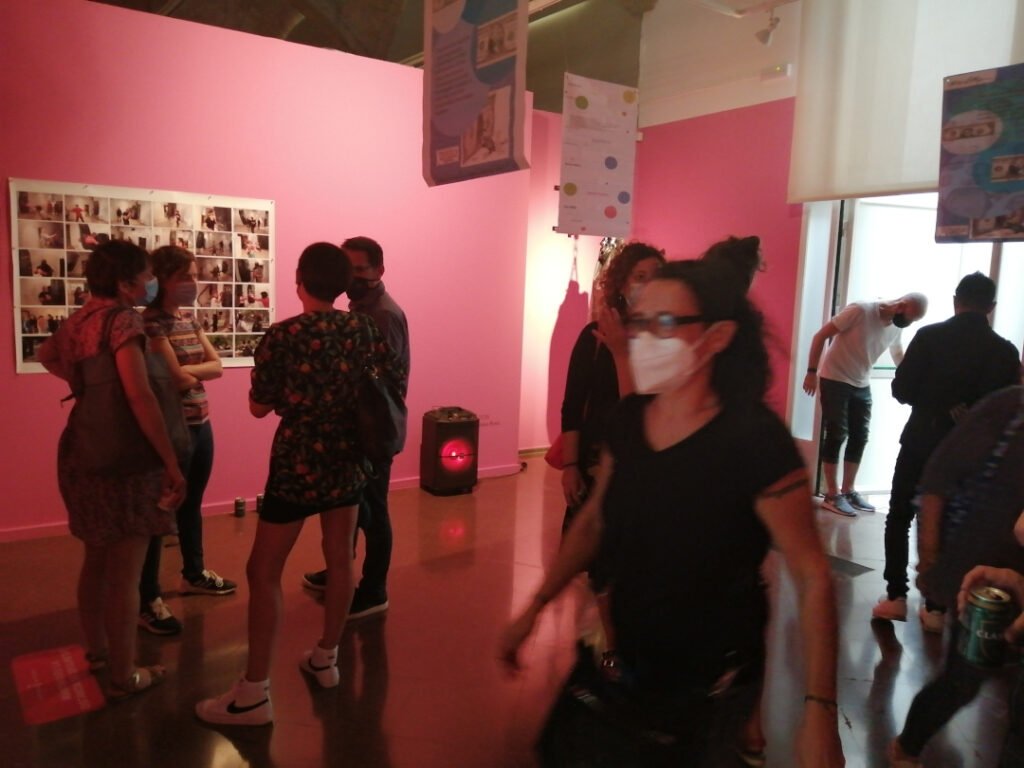
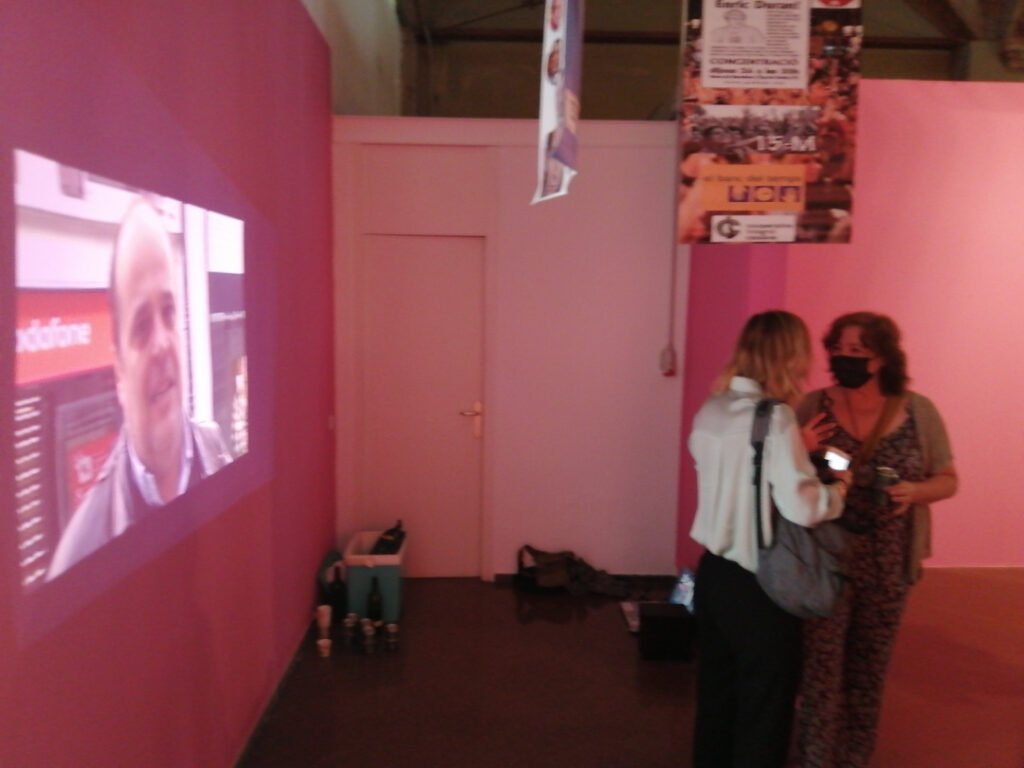
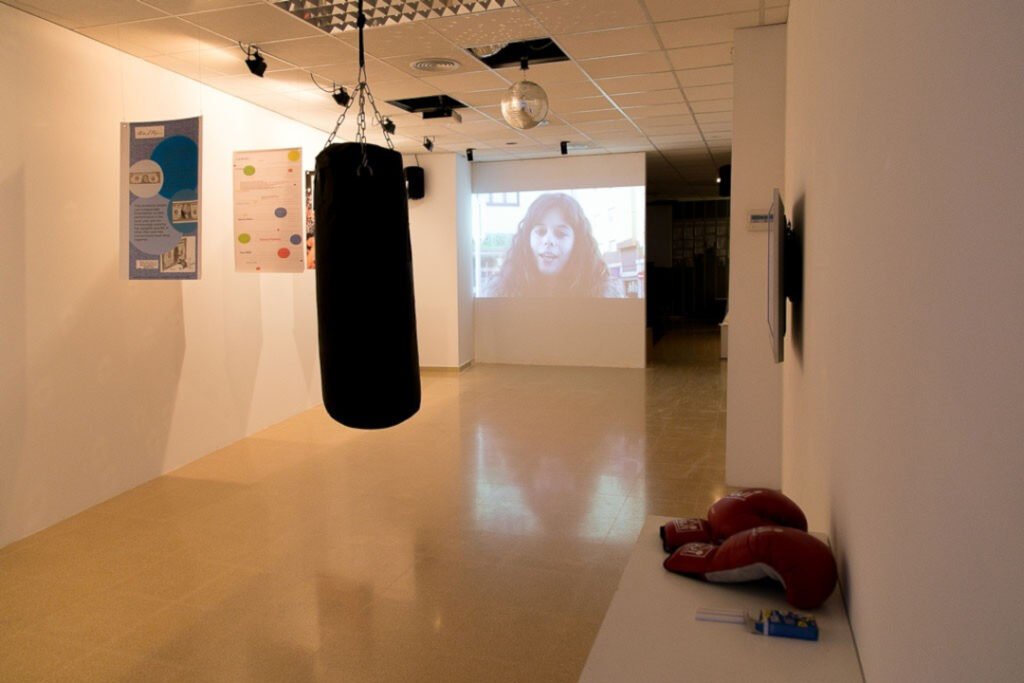
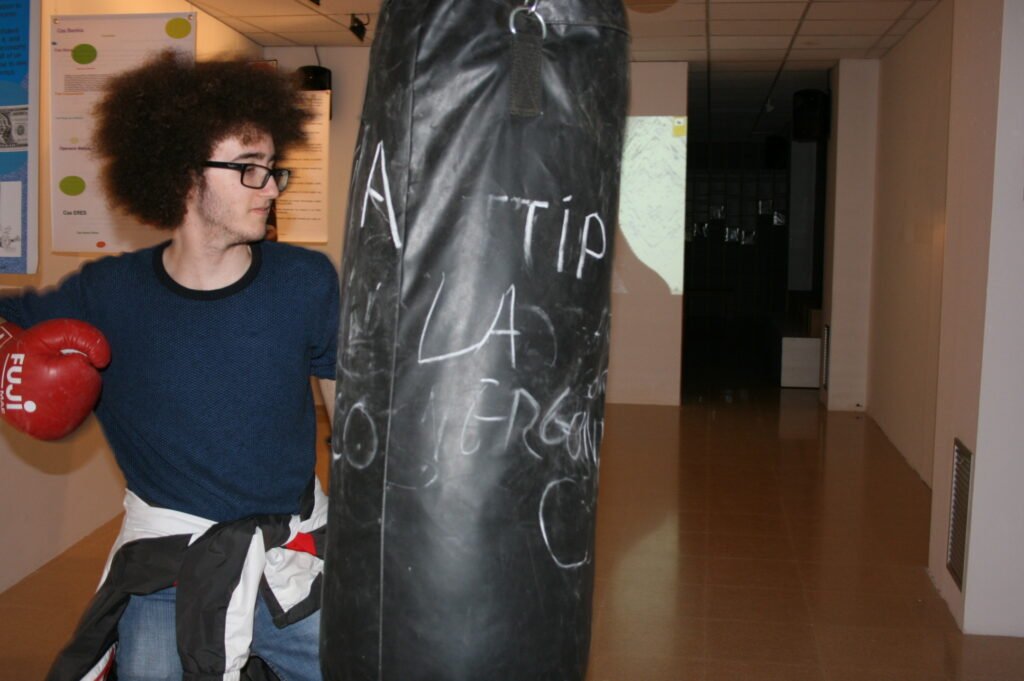
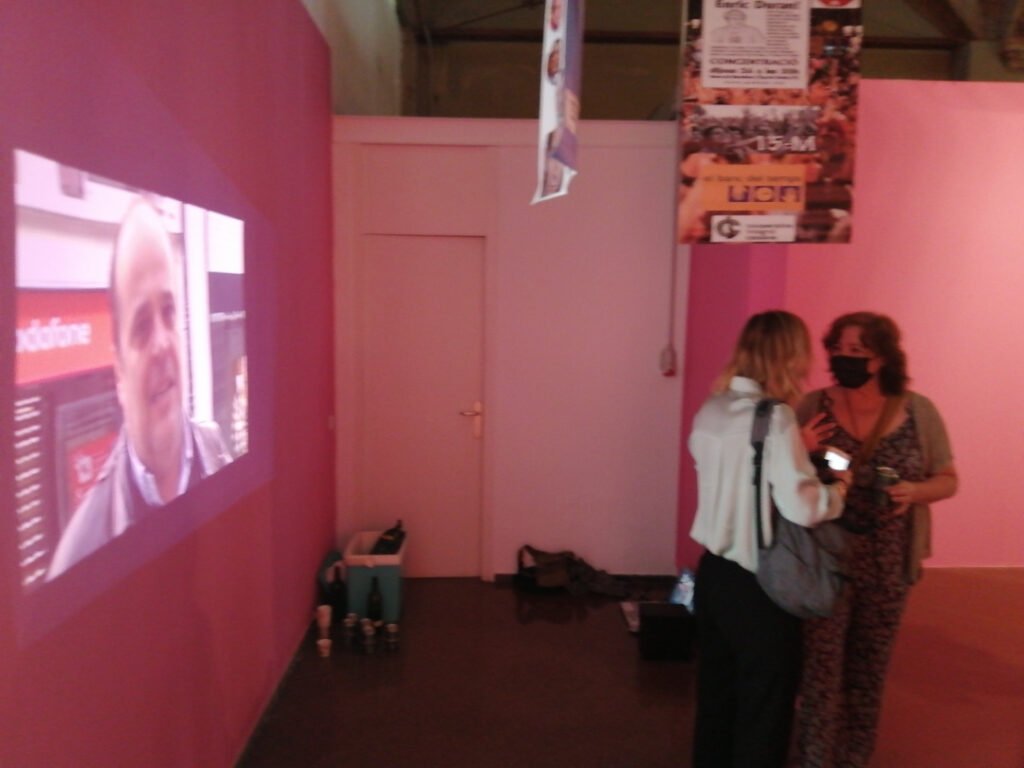
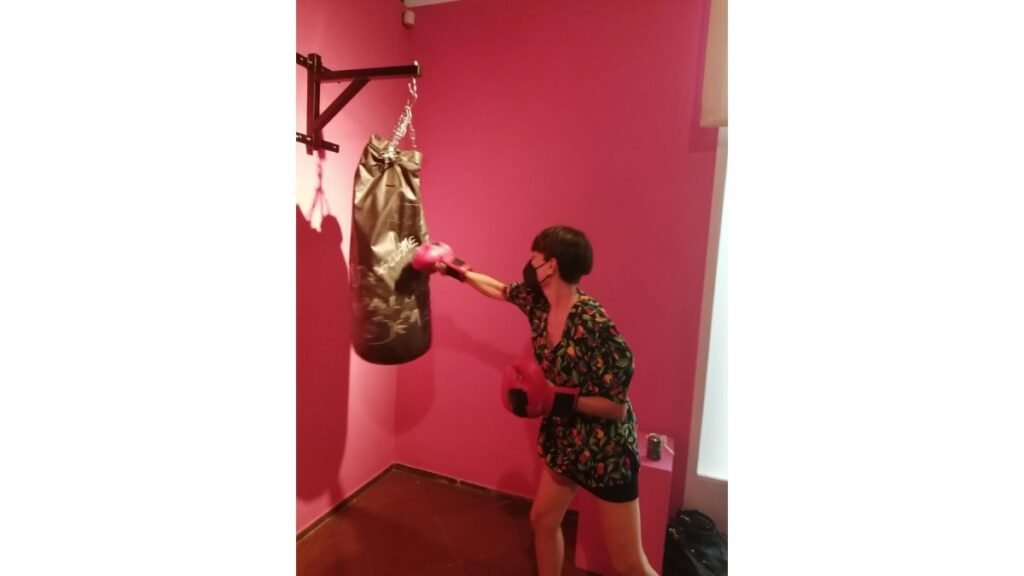
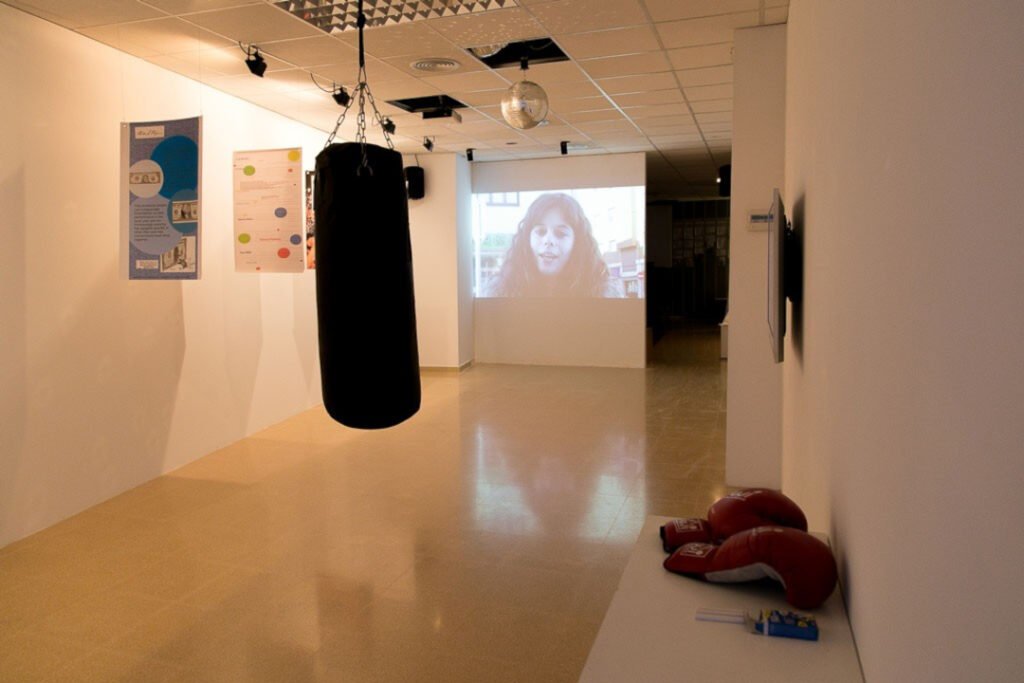
La instal·lació recrea un ambient de ressaca, l’endemà d’una gran festa, i busca provocar una sensació de mareig. En els audiovisuals es comparteix a través de testimonis com ha afectat les nostres vides aquesta gran crisi.
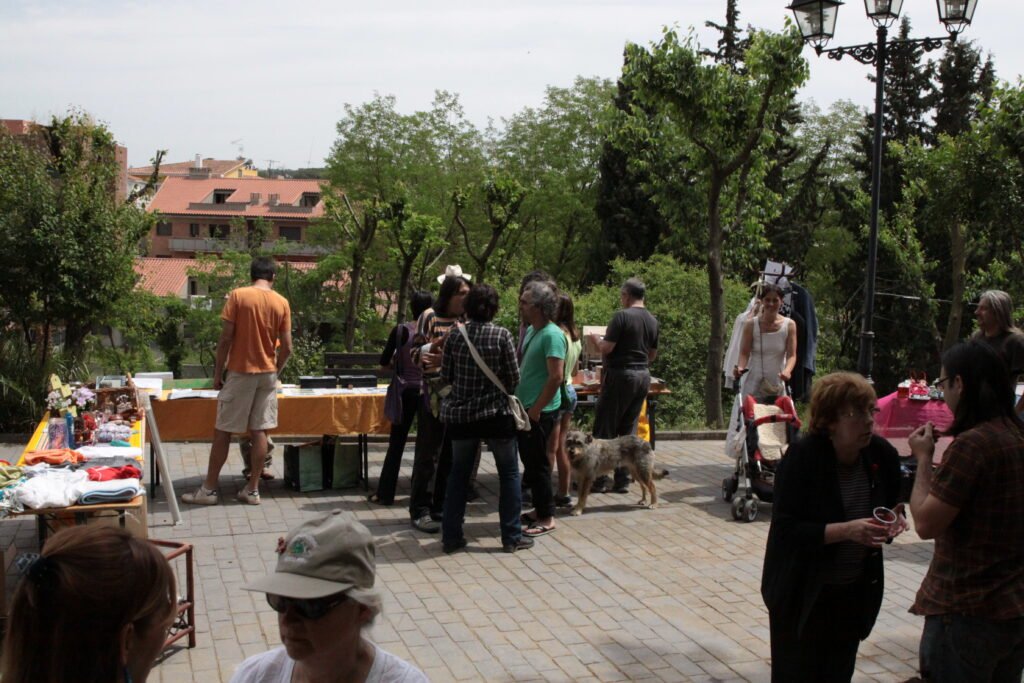
Alguns han optat per organitzar-se i han aparegut conceptes com el downshifting o les ecoxarxes, que es perfilen com a nous models a seguir. Això significa també noves maneres d’organitzar-se socialment, amb un perfil més comunitari, a les que han contribuït notablement les xarxes socials i les plataformes digitals. En l’exposició també es reflecteixen algunes respostes socials subversives o alternatives proposades per part d’activistes, organitzacions o mobilitzacions ciutadanes.
ENGLISH
La Gran Festa (The Great Party) stems from the ways in which the current socio-economic situation affects us. It is the result of an open, horizontal, and participatory reflection on the acceleration and deceleration of the rhythms of the global economy since the late twentieth century, and how these have reached every sphere of life: work, social relationships, culture, and beyond. The project began in 2010 with a public call issued through social media inviting people to contribute by explaining how the economic crisis had affected them and sharing their views on the phenomenon.
The project seeks to involve people in the creative process, while also exploring how the crisis emerged and how it was narrated. Through research into media coverage, it incorporates the atmosphere of economic euphoria that preceded 2010. A series of banners presents information on financial and economic operations which, in many cases, involved extreme speculation and placed the global economy under severe strain. The current situation starkly demonstrates how abusive and speculative investment practices have led not only to an economic crisis but also to a crisis of values and trust. The installation recreates the atmosphere of a hangover -the morning after a great party- and seeks to evoke a sense of dizziness.
The audiovisual works share testimonies about how this major crisis has affected our lives. Some people have chosen to organize themselves differently, giving rise to concepts such as downshifting and ecoxarxes (local ecological exchange networks), which have emerged as possible alternative models. These developments also point to new ways of organizing society, with a stronger emphasis on community, a process to which social media and digital platforms have made a significant contribution. The exhibition also presents a number of subversive and alternative social responses proposed by activists, organizations, and citizen-led movements.