Va Com Va
(It Goes As It Goes)
CATALÀ (English below)
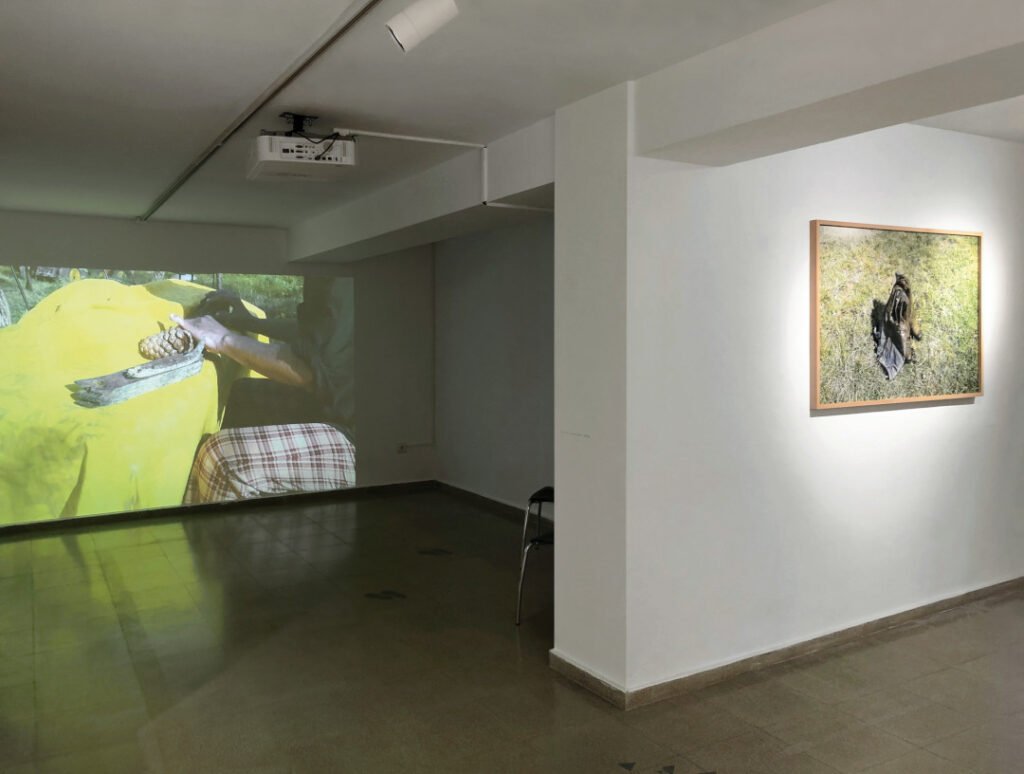
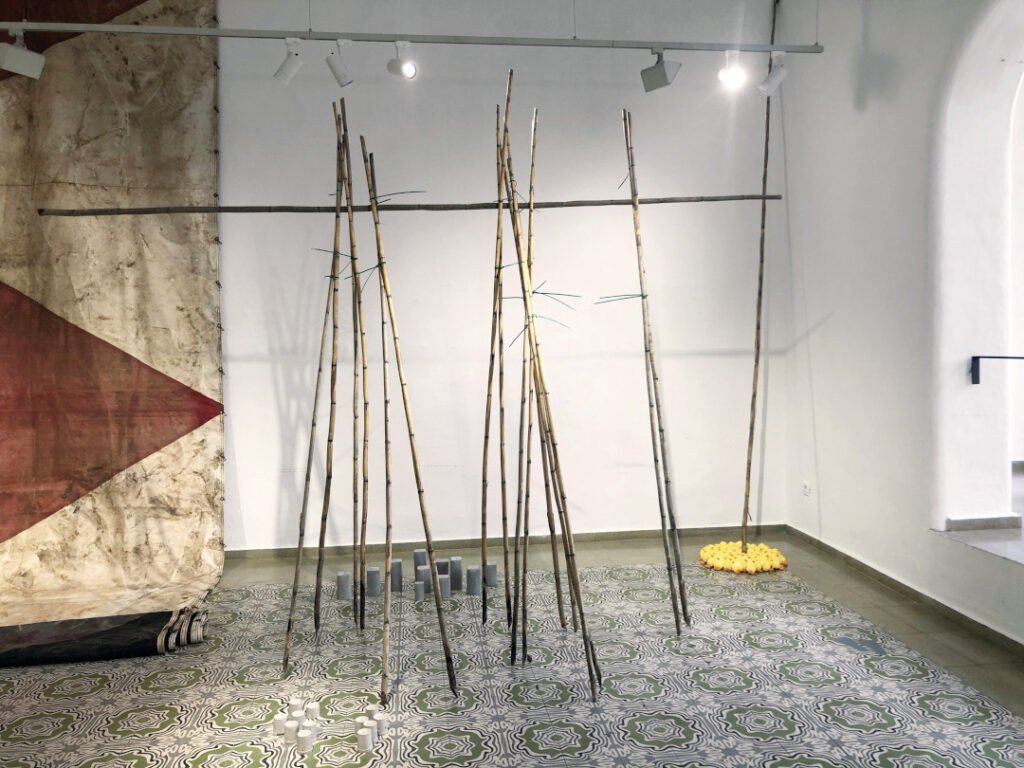
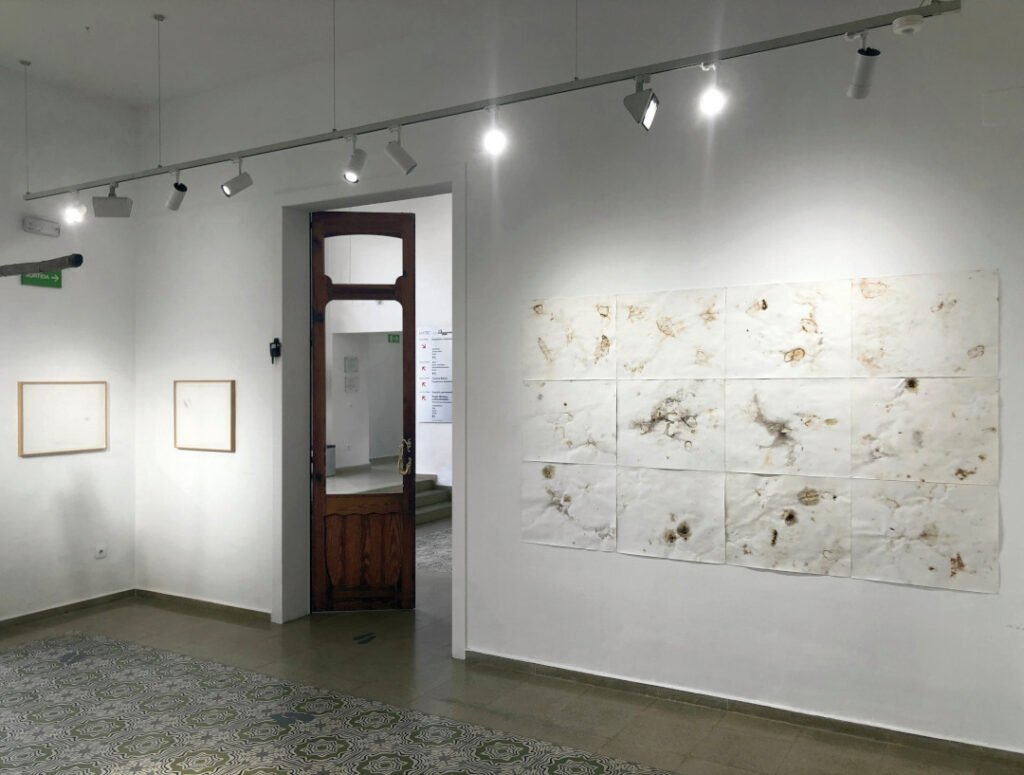
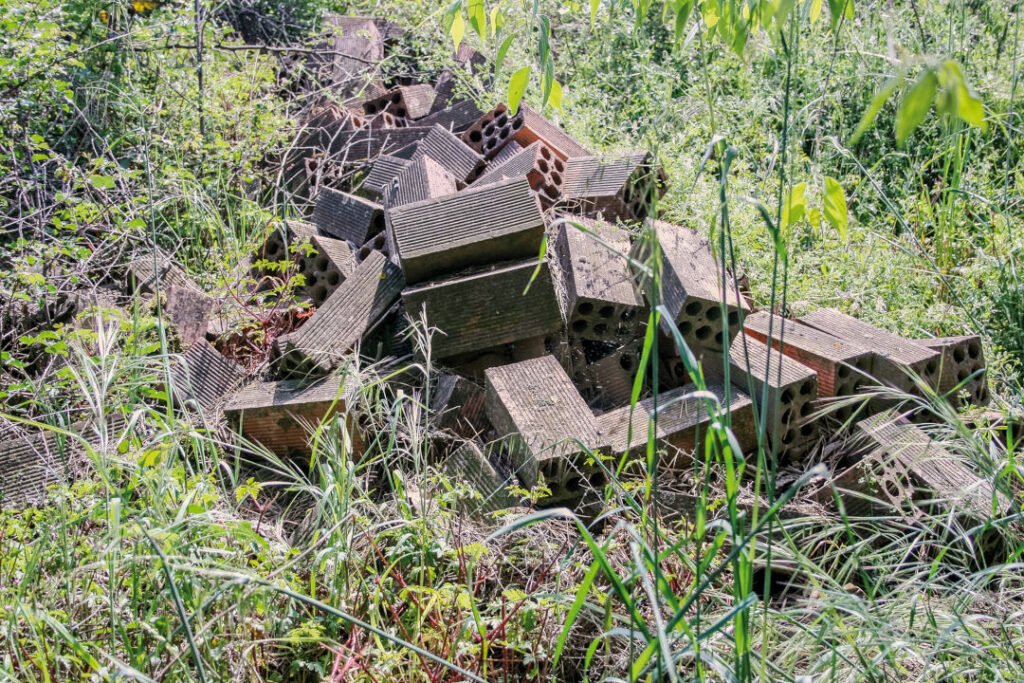
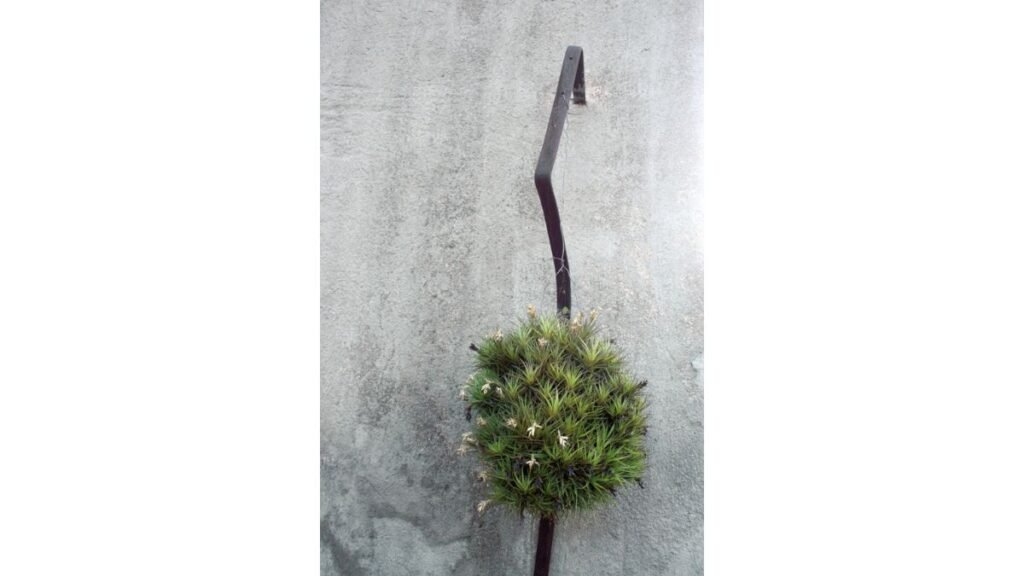
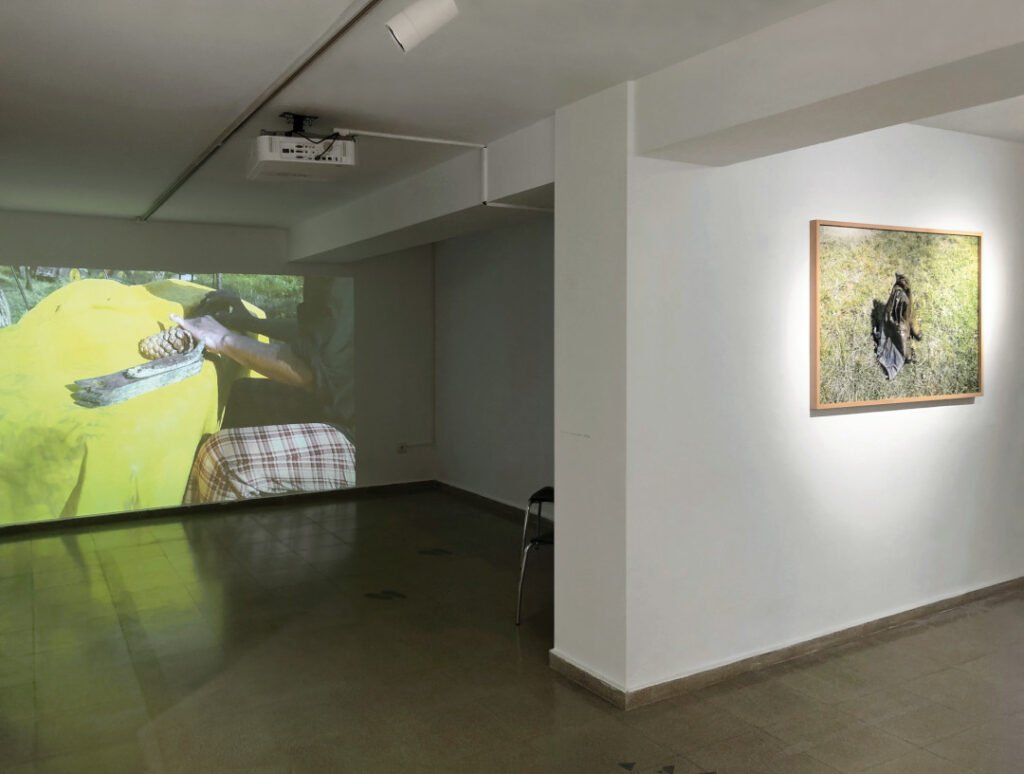
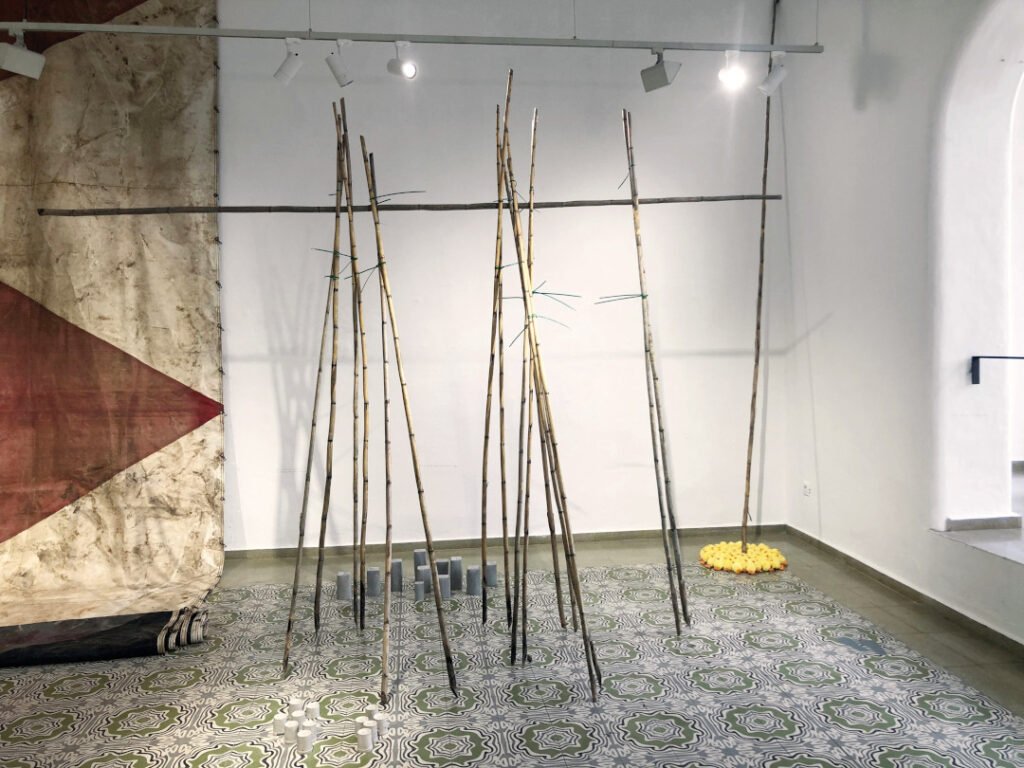
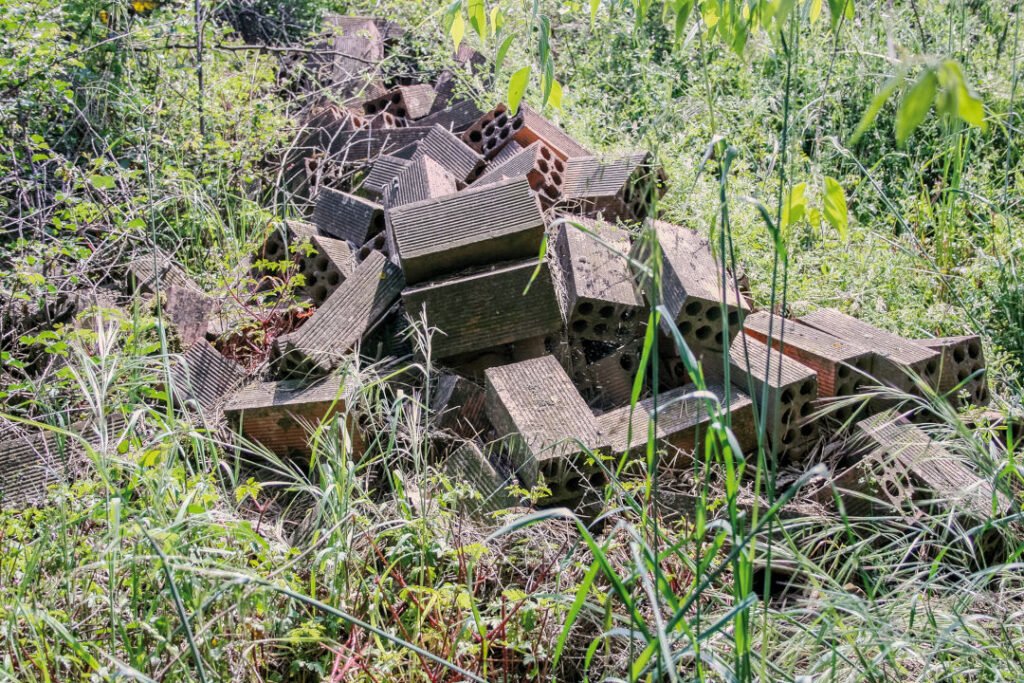
El projecte Va com va. La poètica d’allò immediat com un fet revolucionari, d’Enric Maurí, se centra en el paisatge del seu propi entorn, a Cardedeu, i explora la naturalesa dels espais periurbans com a espais liminars entre camp i ciutat, uns territoris que s’han descrit com a zones híbrides on conviuen elements rurals, urbans i residuals. Maurí planteja en el seu projecte que ja no existeixen perifèries clares sinó tot un continu artificialitzat i defensa que aquests espais aparentment banals són, en realitat, els llocs on succeeixen les coses importants del present, tot i que sovint són invisibilitzades pels relats culturals dominants. En aquest context, “la poètica de l’immediat” es proposa com una mirada crítica i política que dona valor al que és quotidià, a allò que és proper i ordinari.
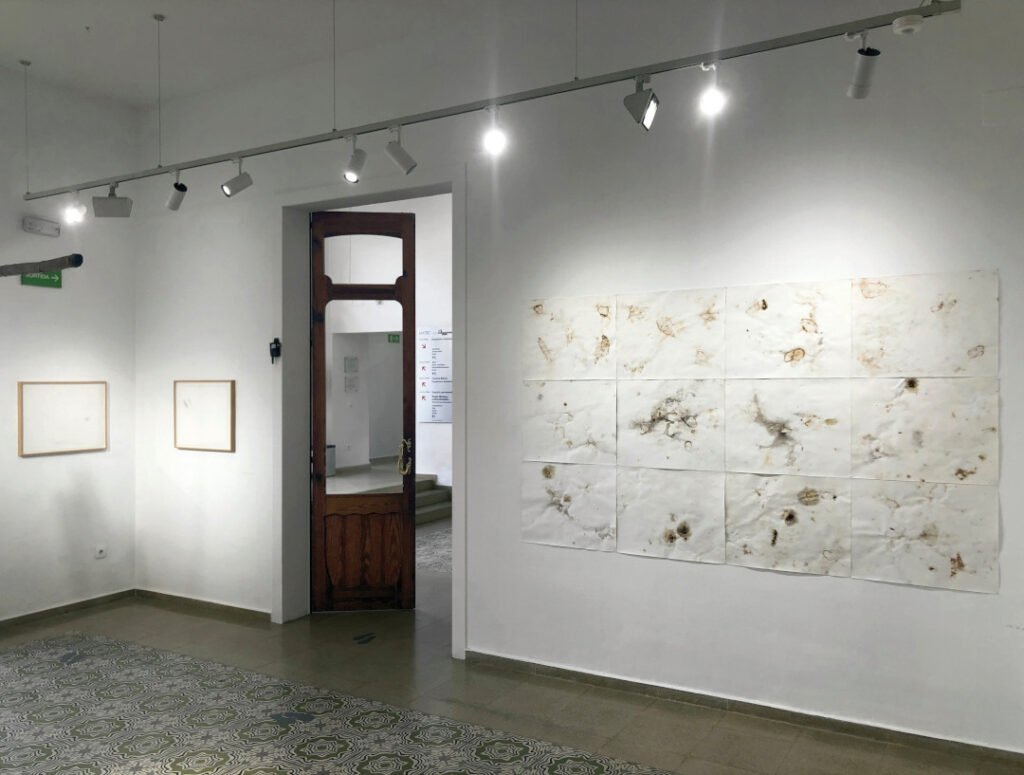
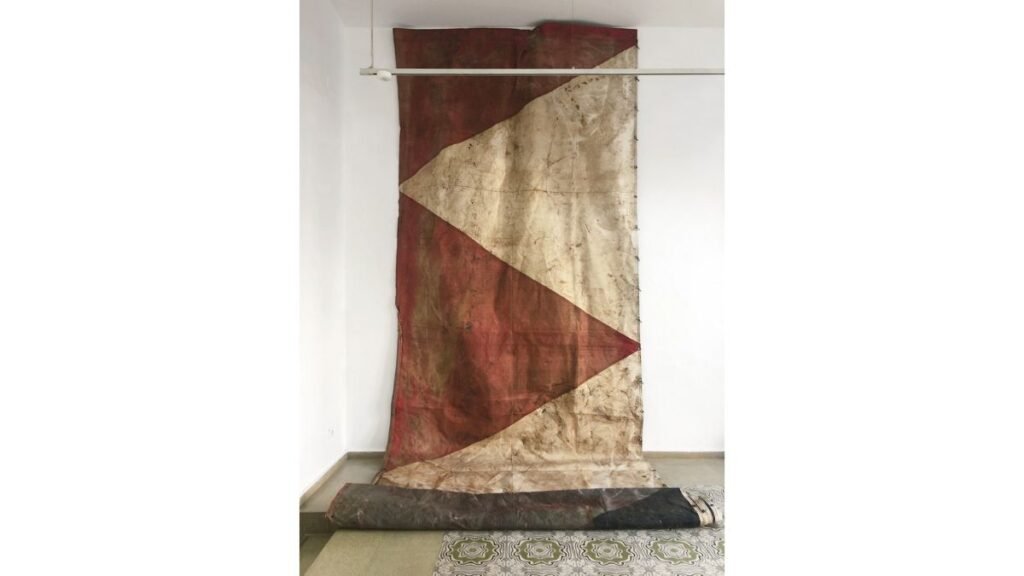
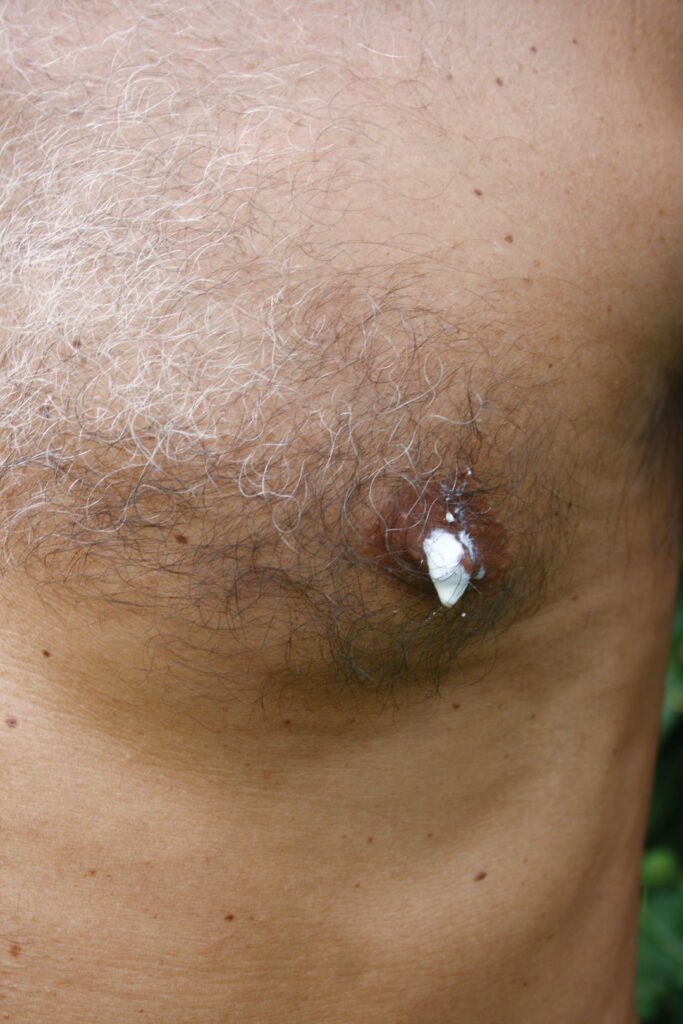
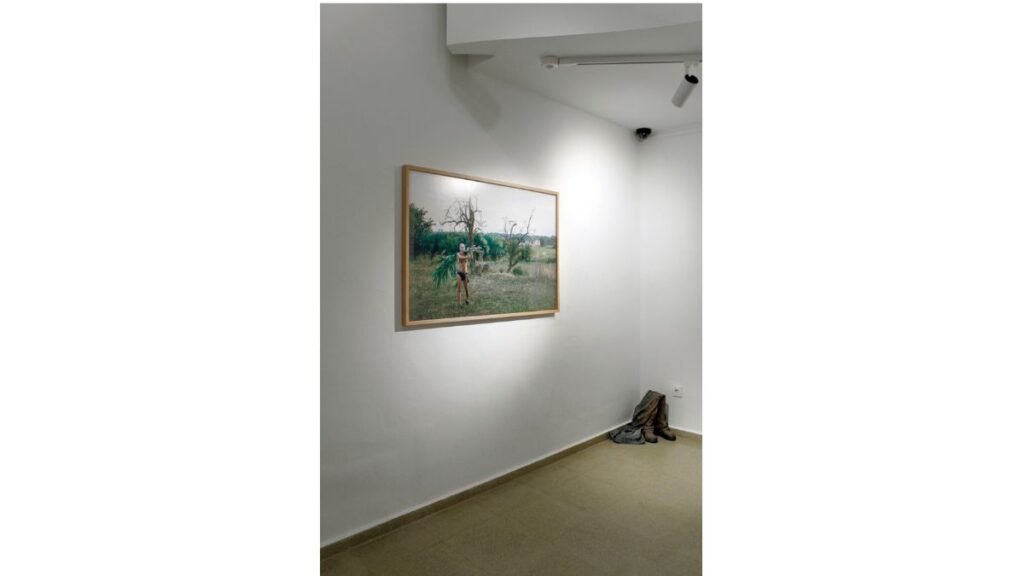
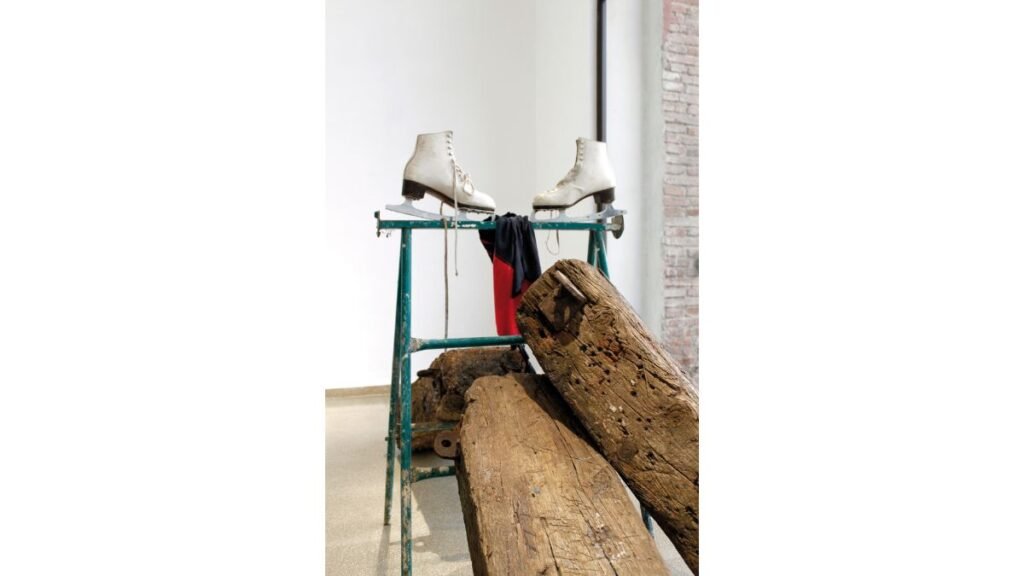
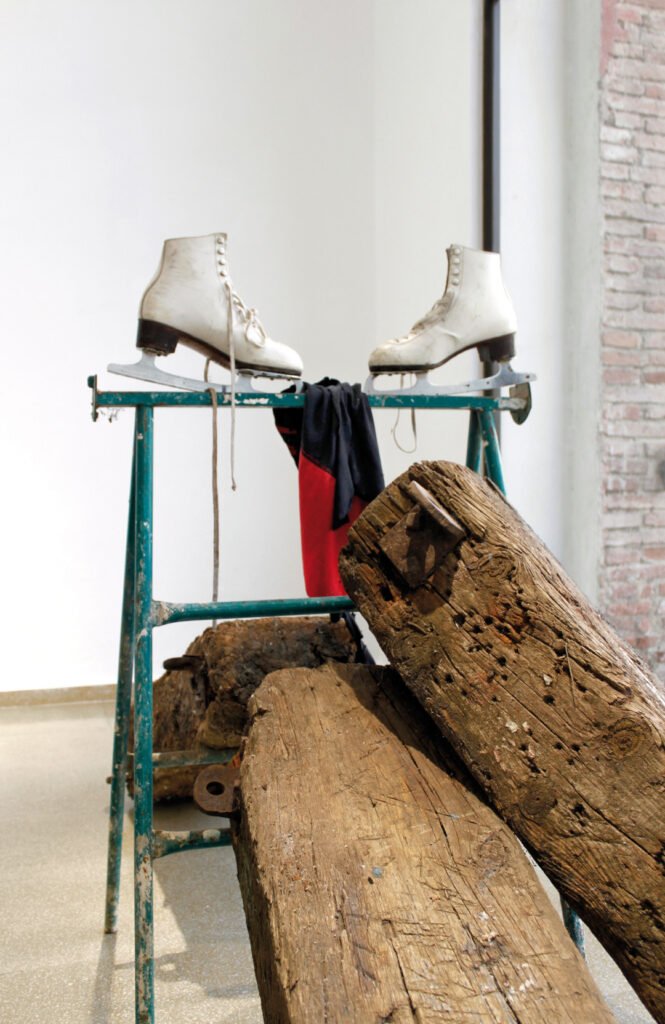
En el text de l’exposició, la curadora Amanda Cuesta, descriu com bona part de l’obra de Maurí s’articula a partir de l’entorn natural on viu i els objectes que hi troba, de diferent índole, i que incorpora en processos no controlats dins la seva pràctica artística. El treball es basa en una intervenció mínima, on l’atzar, el desgast i les transformacions del lloc integren les peces. En les obres resultants, es dissolen els límits entre art, entorn i vida quotidiana, i en elles, el procés i l’observació tenen més pes que la composició tradicional. Aquesta manera de fer qüestiona els marcs normatius de l’art i els relats clàssics sobre la creació. Cuesta reivindica l’actitud artística de Maurí, basada en la contemplació, l’acceptació del desordre i la convivència amb l’imprevist, destacant el potencial creatiu i crític d’aquestes pràctiques.
ENGLISH
Enric Maurí’s project Va com va. La poètica d’allò inmediat com un fet revolucionari (It goes as it goes. The Poetics of the Immediate as a Revolutionary Act) focuses on the landscape of his immediate surroundings in Cardedeu and explores the nature of peri-urban spaces as liminal zones between countryside and city -territories that have been described as hybrid spaces where rural, urban, and residual elements coexist. In this project, Maurí argues that clear-cut peripheries no longer exist, but rather a continuous artificialized landscape. He maintains that these seemingly ordinary spaces are, in fact, the places where the most significant developments of the present take place, even though they are often rendered invisible by dominant cultural narratives. Within this context, ‘’the poetics of the immediate” is proposed as a critical and political perspective that gives value to the everyday, the nearby and the ordinary.
In the exhibition text, curator Amanda Cuesta describes how much of Maurí’s work is articulated through the natural environment in which he lives and the diverse objects he encounters, which he incorporates into his artistic practice through processes that are not fully controlled. His work is based on minimal intervention, allowing chance, weathering, and the transformations of the site to become integral parts of the works. In the resulting pieces, the boundaries between art, environment, and everyday life dissolve, while process and observation take precedence over traditional composition. This way of working challenges the normative frameworks of art and conventional narratives of artistic creation.
Cuesta highlights Maurí’s artistic approach, grounded in contemplation, the acceptance of disorder, and openness to the unforeseen, emphasizing the creative and critical potential of these practices.